
A practical guide to evaluating finance resources for readers
A concrete, step-by-step checklist for financial readers: basics to advanced tips, with a practical link to a London business directory for local finance insigh

This guide offers a clear, actionable checklist for readers sizing up financial resources, from budgeting basics to investing options. You will find practical steps you can apply today, with concrete examples and warnings that protect your money. The goal is to help you pick trustworthy tools and know when a resource adds real value to your financial plan.
First, understand what you need: a reliable source for everyday money management, tempered advice for investing, and safe channels for banking. Then test a resource against criteria like transparency, accuracy, and practical applicability. This article shows how to vet sites and services so you spend less time chasing noise and more time making informed decisions.
Along the way, you’ll see how a business directory in London can anchor local finance actions, from banking options to cash-flow ideas for small firms. You’ll also learn how to compare offers, avoid common errors, and keep a simple record of what works for you.
- Start with credibility checks and move to practical steps you can enact today.
- Test resources with small tasks, compare against peers, and keep notes on what works.
- Use local options to balance global insights with city-specific realities and costs.
Foundations for reliable financial resources
Assess credibility and scope
Begin by checking who publishes the resource and what it covers. Look for an about page, editorial standards, and a clear mission that matches your needs. A credible site will show its audience and discipline beyond generic advice. You can explore the business directory in London to locate financial service listings and compare nearby providers.
Judge usefulness by scope: does it address budgeting, investing, or debt management with practical steps? Compare with similar sites to see how comprehensively it explains concepts and applications. A strong resource translates theory into doable actions.
Examples matter: look for case studies or scenarios that resemble real life. If you see long lists of claims without proof, treat the resource with caution and seek corroborating sources.
- Check author credentials and publication history
- Look for clear methodology and sourcing
- Prefer resources with practical examples
Test for practical steps
Move from theory to concrete actions. A solid resource will offer steps you can implement, like a budgeting template or a basic investment plan. Avoid sites that preach broad ideas without showing execution.
Try a sample workflow in your own finances: set a goal, estimate a timeline, and identify the tools you would use. If the guidance feels vague, it’s a cue to keep looking.
Evaluate whether the resource provides checklists or quick-start guides you can complete in a single sitting. The ability to finish a task boosts confidence and adherence.
How to compare investment ideas safely

Understand risk framing
A good guide explains risk in plain terms, linking it to your goals and time horizon. It should distinguish between high-growth bets and stable income sources. Your response to risk depends on your finances and patience. From there, you may check the latest London Bee headlines for market context and policy shifts that affect budgeting decisions.
Watch for bias or urgency cues. If a resource pushes one solution as the only path, distrust it and look for a balanced view. Healthy skepticism helps you avoid overpaying for hype.
A robust resource shows how to size bets, set stop losses, and diversify. It should translate generic risk concepts into actionable steps for a typical saver or investor.
Practical steps for evaluation
Create a short list of target questions before you read: What problem does this solve? What evidence backs the claims? What are the costs or fees? How does it fit your life today?
Test-drive any tool with small amounts or low stakes, ensuring you can reverse the step if it misaligns with your plan. Reflection after a trial is as important as the trial itself.
Keep notes: record what works, what doesn’t, and why. This habit turns a one-off resource into a repeatable process for future decisions.
Options for budgeting and debt management
Choose budgeting tools wisely
Budgeting is a daily practice, not a one-time setup. Look for tools that align with your spending habits, income cadence, and goals. An effective tool simplifies tracking rather than complicating it. If you plan events or meetups, consider how to list your event in London to boost local engagement and potential revenue.
Consider whether a tool offers categorization that matches your real purchases and whether it exports data for tax or loan applications. Accessibility across devices matters if you move between the home, office, and on the go.
Test how the interface handles changes: pay raises, shifts in bills, or new financial goals. A flexible budget setup reduces friction when life changes.
| Option | Pros | Cons |
|---|---|---|
| Budget tools | Simple setup, clear categories | May lack advanced forecasting |
| Debt payoff methods | Structured path to payoff | Requires discipline to follow |
| Credit-building guides | Helpful for scores | Some advice may be generic |
Assess debt-resilience resources
Debt guidance should balance repayment strategies with affordability. A solid guide explains snowball versus avalanche methods and when to apply each, with real-world scenarios.
Look for calculators, payoff timelines, and negotiation tips that don’t rely on aggressive tactics. Clear costs and potential savings help you decide without pressure.
If you’re using discounts or balance transfers, the resource should spell out eligibility and risks, like fees or higher rates if terms change.
It should distinguish between wallets, exchanges, and custody services, with practical steps to protect private keys and recover access.
Safe crypto and banking guidance

Principles for crypto basics
Introductory material should explain custody, liquidity, and volatility in plain terms. Avoid sites that promise fast, risk-free gains or imply secrecy. A sound guide clarifies what a token is and how exchanges operate. For selling items, discovering second-hand items for sale in London can inform affordable purchases and resale opportunities.
It should distinguish between wallets, exchanges, and custody services, with practical steps to protect private keys and recover access. Weigh the trade-offs between convenience and control before moving funds.
Look for warning signs such as unclear fees, opaque security practices, or pressure to move funds quickly. Good resources encourage careful decisions over hype.
Banking best practices you can use
Banking guidance should cover fees, interest, and service quality in clear terms. Compare account types by the actual costs you expect to incur and the features you need.
Learn how to read statements, spot rate changes, and use alerts to prevent overdrafts or fraud. Having a simple, repeatable check keeps your finances honest.
A trustworthy resource will offer a checklist for daily banking hygiene and a plan for upgrading accounts as your balance grows.
Evaluating risk and return
Assessing volatility in markets
Start with a clear framework for risk. Identify how much portfolio fluctuation you can tolerate without changing your long-term plan. Use real examples like how a 5% monthly swing can impact a target on a 10-year horizon. funeral notices in London is a phrase you might see while researching niche directories; it does not apply to finance, so skip it in your planning.
- Define your loss limit before you start investing
- Document how you will react to a drop in value
- Review this plan at least quarterly
Compare asset classes by their typical volatility rather than hype. Stocks can swing daily, bonds are usually steadier, and cash-equivalents protect sleep at night.
Always pair risk awareness with return goals. If you want higher yields, prepare for larger draws and longer recovery times. When in doubt, simulate outcomes using a boring, repeatable method.
- Estimate your comfortable loss tolerance
- Map expected return ranges to time horizon
- Test scenarios with steady and stressed markets
- Keep a cool-down period after big moves
Calculating real returns with fees
Net returns matter more than gross numbers. Subtract management fees, trading costs, and taxes to see what you actually keep. Use a simple example to show how charges erode compounding over time.
Look for resources that explain compounding in plain terms. A small difference in annual fees compounds into a large gap after many years. Focus on long horizons and what you keep, not what you could have earned.
Always compare similar strategies on a like-for-like basis. Compare index funds with comparable expense ratios and consider tax-efficient wrappers where suitable.
- Track all ongoing costs
- Consider tax implications
- Use consistent benchmarks for comparison
- Prefer plain-English fund disclosures
Choosing the right platform
Platform features you actually use
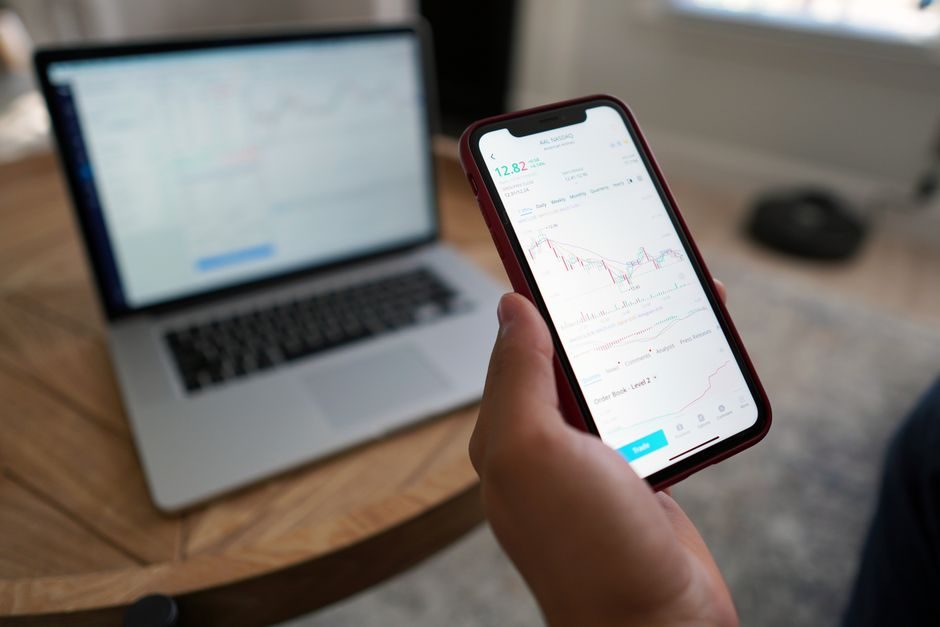
List the features you need before shopping. A good platform offers clear fee disclosure, reliable trade execution, and accessible research. Prioritize tools that help you stay disciplined, not flashy gimmicks.
Test drive with a paper account if available. Look for intuitive order types, quick order entry, and responsive customer support. A cluttered interface often hides poor execution and hidden costs.
Check accessibility across devices. You should be able to manage positions, view tax documents, and adjust settings from desktop and mobile without friction.
- Clear fee schedule
- Reliable trade execution
- Good research and tools
- Strong mobile experience
Frequently asked questions
What should I look for in a beginner-friendly resource?Seek clarity, actionable steps, and plain language explanations. A good resource translates jargon into real tasks you can perform this week, with examples that reflect common situations like building an emergency fund or choosing a low-cost index fund.
How often should I rebalance my portfolio?Rebalancing should reflect your plan, not market noise. Quarterly checks work for many; if you have a simple strategy, semi-annual review may suffice. Avoid chasing headlines and focus on your long-term target allocations.
Are free platforms trustworthy?Free platforms can be trustworthy if they disclose fees clearly and offer solid execution. Compare the total cost of ownership over time, including hidden fees and potential bid-ask spreads, before committing your funds.
How do I verify a finance website’s reliability?Check author credentials, review the publication history, and see if the site cites independent sources. Look for transparent disclosures about editorial standards and a clear privacy policy.
Keep learning and practicing
The core goal is steady progress, not quick wins. By building a reliable baseline—understanding risk, choosing the right platform, and avoiding common traps—you create durable financial habits.
Your next step is to audit your current resources and pick one concrete improvement to implement this week, such as comparing fees on a single index fund and recording the outcome.
Add Forex & Stock Market News as a preferred source on Google


