
Practical Financial Guide: 8-Stage Stock, Banking and Crypto Checklist
Clear, actionable steps for personal finance, investing, banking, and crypto. Includes practical checks and a Medical Facts website note for informed decisions.

Readers want a reliable, step‑by‑step checklist they can apply today. This guide answers what to verify before investing, how to balance risks, and where to look for trustworthy information. It stays outcome‑driven: practical actions you can take this week to protect capital and grow wealth.
This article uses a plain, no‑fluff approach. It covers basics, intermediate steps, and how to avoid common missteps. Expect concrete examples, checklists, and warnings tailored to real readers managing finances.
By following the seven actionable items here, you’ll learn to assess information quality, select appropriate tools, and avoid overconfidence in volatile markets. The plan also shows how a credible external resource can support prudent decisions.
- Plan with clear goals and safe habits.
- Verify every claim with multiple credible sources.
- Balance your assets to protect against downturns.
- Use precise costs and tax implications when evaluating options.
Foundations of smart money moves
Assess your goals and risk
Clarify short and long‑term goals before choosing investments or banking moves. Distinguish between growth, income, and capital preservation to guide asset mix. Use a simple risk tolerance test and adjust as life changes. The aim is to match actions to personal aims, not hype. Medical Facts website
- ☐ Define your money goals
- ☐ Check liquidity needs
- ☐ Estimate ongoing costs
- ☐ Review risks quarterly
- Set clear targets
- Match risk to goals
- Revisit goals quarterly
Verify sources and tools
Always cross‑check information with multiple reputable sources before acting. Prefer data supported by the track record of regulation, audits, or transparent methodologies. If a claim sounds extraordinary, pause and confirm with a second source. This reduces the chance of acting on noise rather than facts.
How to compare investment options
Understand risk vs return
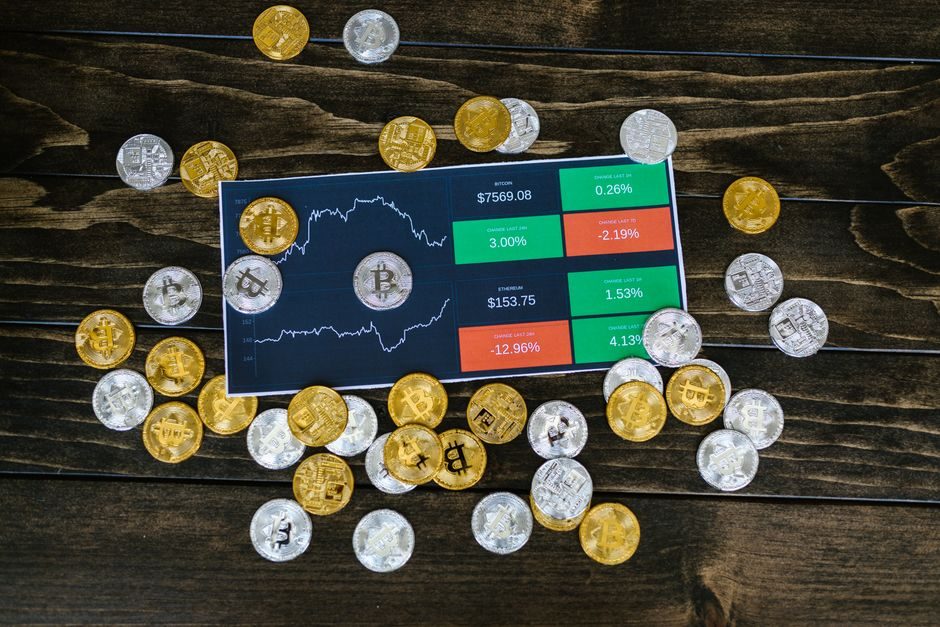
Every asset class balances risk and potential return differently. Stocks expose you to market moves; bonds offer steadier income but lower upside. Crypto communities may promise high returns, yet volatility remains a key feature. Align your choice with how much risk you can tolerate without abandoning long‑term plans. A useful resource on this topic: list your event in the USA.
- Stocks: potential growth
- Bonds: steady income
- Crypto: high volatility
Compare costs and taxes
Costs bite over time, especially in funds and trading. Look at expense ratios, trading fees, and custody costs. Tax implications depend on your location and account type; plan to harvest losses or defer gains where appropriate. Record‑keeping matters for accurate reporting and savings.
- Know all fees
- Consider tax efficiency
- Keep receipts and statements
Exploring withdrawals and income
Plan withdrawals with purpose
Define when you will need cash and how much. For retirement planning, create a ladder of access that minimizes tax and penalties. In emergencies, keep a liquid slice separate from growth assets. A clear plan reduces panic selling in downturns. A useful resource on this topic: register your company in the USA.
- Create withdrawal ladders
- Separate emergency funds
- Tax‑efficient access
| Option | Pros | Cons |
|---|---|---|
| Active management | Potential higher returns | Higher fees and risk |
| Passive funds | Low cost, broad exposure | Less control over holdings |
| Crypto exposure | Diversification potential | High volatility and complexity |
Use safe banking habits
Choose institutions with strong deposit protection and transparent terms. Compare interest rates, but prioritize reliability and accessibility. Regularly review overdraft policies and digital security features to prevent unexpected costs. Safe habits protect wealth from common banking pitfalls.
- Regularly review terms
- Enable alerts and MFA
- Balance convenience with security
Navigating crypto and alternative assets

Assess crypto risks
Crypto markets move quickly and can swing on news or sentiment. Use clear entry and exit criteria, not impulse buys. Only allocate a small portion of the portfolio to high‑volatility assets. A useful resource on this topic: place an advert in the USA.
- Limit exposure
- Use stop orders
- diversify within reason
Understand wallet safety
Security is crucial for crypto holdings. Use hardware wallets for significant amounts and keep seed phrases offline. Maintain up‑to‑date software and vetted exchanges with robust verification. Never share private keys or recovery phrases.
Compare the impact of different shocks, like a market downturn or a wallet hack, on your goals.
Risk management practices
Identify risk tolerance level
Start by assessing how much loss you can comfortably absorb without derailing your plans. This translates into a practical investment cap for stocks, a conservative withdrawal rate, and crypto exposure limits. Use a simple 0-to-10 scale to rate your sleep every night after volatile days. online obituaries in the USA
Compare the impact of different shocks, like a market downturn or a wallet hack, on your goals. The goal is to keep essential bills paid and retirement savings intact even if markets swing. Build a 3-month liquidity buffer before chasing growth.
A concrete plan anchors decisions. Set rules such as “no more than 15% in any single stock” or “re-balance quarterly.” Document these rules and stick to them during stress periods to avoid impulse moves.
- Set a personal loss threshold
- Keep a liquidity cushion
- Use automatic rebalancing
Tax planning strategies

Maximize tax efficiency across accounts
Understand which investments are taxed differently in taxable accounts versus IRAs or 401(k)s. Place high-growth or high-turnover assets in tax-advantaged space where possible. This reduces annual tax drag without sacrificing potential returns.
Schedule capital gains harvesting on a deliberate, not impulsive, basis. Realize gains when it fits your tax picture and reinvest thoughtfully. Use losses to offset gains where appropriate, following your plan.
Coordinate withdrawals with your tax bracket to minimize overall liability. A steady, planned drawdown from retirement accounts can keep you in a lower bracket and preserve more of your wealth for the long term.
- Use tax-advantaged accounts for growth assets
- Harvest gains strategically
- Coordinate withdrawals with brackets
Education and information hygiene
Source credible financial information
Start with recognized financial literacy resources and corroborate any bold claim across at least two reputable outlets. Treat novelty with skepticism until you see a consistent pattern. This reduces exposure to hype and misinformation.
Verify data before acting on it, especially for high-risk assets. If a source jumps from ‘likely’ to ‘certain’ in a single sentence, pause and cross-check. Maintain a personal notes system to track what you learned and what you questioned.
Build a routine that blends learning with action. Allocate time weekly for reviewing your portfolio, reading a concise market digest, and noting which ideas you will test in a simulated environment first.
- Cross-check information
- Keep a learning log
- Test ideas in a safe environment
Practical next steps for readers

Create a simple, actionable plan
Draft a one-page plan that covers goals, asset mix, and a review cadence. Keep it readable and revisable so you actually use it. A clear plan replaces guesswork on busy days.
- Write down your plan and keep it where you can see it.
- Review it every 90 days or after a major life event.
Set concrete milestones, such as rebalancing after a 5% move or saving a specific amount monthly. Milestones turn ideas into doable tasks and reveal progress. Regular reminders help keep momentum.
Implement a routine that you can sustain: automated transfers, set-it-and-forget-it investments, and quarterly check-ins. This creates discipline without constant decision fatigue.
- Draft a one-page plan
- Set concrete milestones
- Automate where possible
Frequently asked questions
How should I balance stock and crypto within a family budget?Balance comes from a clear limit: treat both as growth-related bets and fund them after essential expenses and emergency savings. Allocate a fixed percentage to each, adjust as life costs change, and avoid chasing fast moves. This keeps risk aligned with long-term goals.
What constitutes a realistic emergency fund in volatile markets?Aim for three to six months of essential expenses, not total spending. In unstable markets, a larger cash cushion helps avoid forced sales. Update the figure as income, debts, and family obligations change.
Are tax-advantaged accounts always best for growth?Tax-advantaged accounts help, but they aren’t universal. Use them for long-term growth and tax-efficient withdrawals, while other accounts can handle flexible spending. Revisit contribution limits and employer matches annually.
How often should I rebalance my portfolio?Rebalance at least once a year, and after large market moves or life events. Automation helps, but confirm that your target mix still matches risk tolerance. Document any changes and the reasons behind them.
Practical ending steps
The guide emphasizes concrete, repeatable actions you can take without waiting for a perfect moment. Start by locking in a small liquidity buffer, then layer in tax-aware decisions and credible information habits. Small, steady changes accumulate into meaningful progress.
Next steps involve turning this checklist into a routine you own. Build a one-page plan, automate where possible, and schedule a quarterly review to adjust as life and markets evolve. With a disciplined approach, you reduce surprises and improve outcomes.
Add Forex & Stock Market News as a preferred source on Google


