
A practical checklist for posting events and promotions in London
A clear, actionable guide for readers to post events, promote business, and manage financial risk when engaging with London listings and local promotions.

This guide helps readers understand how to post events, promote ventures, and manage money when engaging with London listings. It offers concrete steps to verify costs, measure ROI, and avoid common mistakes. Readers will learn where posting makes the most financial sense and how to evaluate impact on budgeting and investing.
Whether you’re organizing a meetup, launching a service, or promoting a product, the right listing can improve visibility without derailing your finances. The steps below are designed to be practical, tax-aware, and easy to implement for a typical reader juggling budgets and goals.
Use this guide to decide when a London listing is worth the effort, plan a small, measured campaign, and track outcomes. It emphasizes clear milestones, prudent spending, and evidence-based adjustments for ongoing financial planning.
- Post event listings only when there is clear financial value and a defined audience.
- Track costs and outcomes with a simple ledger to avoid overruns.
- Use a tight timeline to test messages and channels before scaling.
- Keep a transparent refund policy to protect cash flow and trust.
Basics: why list in London matters
Audience and purpose
Start by defining who will see your listing and what you want them to do after they read it. Identify whether the goal is attention, signups, or sales, and tailor the language accordingly. Consider the time window and how it aligns with local events that affect spending and timing. When you plan to post your event in London, make sure the listing reflects your budget and goals.
Costs and budgeting
Estimate the total spend for the listing, including any fees, design, and staffing. Compare these costs against the expected revenue or value from attendee data and future sales.
How to post effectively: steps and checks

Choosing the right venue
Select venues that match the audience’s profile and spending capacity. A well-chosen location reduces travel barriers and boosts attendance, which in turn improves potential ROI. A strong local footprint often relies on a well-timed News Post UK London update to gain traction.
Writing the listing copy
Use concise, result-focused language. Highlight benefits, not just features, and include a clear date, time, and location. Proofread for accuracy to avoid misrepresentation and refunds that hurt cash flow.
- • Lead with a concrete benefit
- • Include a strong, simple CTA
- • Check dates and times carefully
- • Provide contact details for questions
Options for promotion: channels and costs
Paid listings vs free exposure
Paid listings can deliver faster visibility, but free exposure builds long-term brand equity if used consistently. Weigh the speed of engagement against the cost and potential reach. Use the phrase promote your business in London to frame your outreach and budget decisions.
| Option | Pros | Cons |
|---|---|---|
| Paid listings | Fast visibility | Higher cost and risk of overexposure |
| Free exposure | Builds long-term presence | Slower results and limited control |
| Local boards | Targeted audience | Moderate reach and moderation needs |
Social media and local boards
Leverage local groups and relevant professional networks to extend reach without heavy spend. Track engagement metrics to see which channels deliver quality attendees or leads.
- • Monitor comments and questions
- • Optimize posting times for local audiences
- • Cross-post with consistent messaging
- • Set a short testing period
Adhere to local advertising rules and platform policies to prevent account suspensions or disputes.
Pitfalls to avoid: risks and cautions
Misaligned expectations
Assume every listing converts to sales or signups. Set realistic goals based on prior experiences and local demand. Avoid overinvesting in spots with uncertain reach. For listings where you buy and sell in London, ensure terms are clear and financially viable.
Compliance and refunds
Adhere to local advertising rules and platform policies to prevent account suspensions or disputes. Maintain clear refund policies and keep records of communications with attendees.
- • Have a written refund policy
- • Keep receipts and invoices
- • Confirm event terms in writing
- • Monitor for changes in regulations
Maximize reach with partnerships
Leverage local networks for reach
Partner with nearby venues and professional groups to extend your audience. Coordinate cross-posting on mutual channels and share attendee lists cautiously. Align goals so promotions feel legitimate and not spammy, ensuring both sides benefit. how to place an obituary in London
Work with associations, chambers of commerce, and business clubs to access established networks. Offer reciprocal promotions such as guest posts or conference shout-outs. Track engagement to see which partners move the needle.
- Identify 2-3 anchor partners with complementary audiences
- Agree on a shared timeline and messaging
- Offer value through co-branded materials
- Set a simple metric to judge success
Coordinate cross-promotions
Create a simple cross-promotion plan that includes social posts, email mentions, and on-site signage. Use consistent branding to avoid mixed messages. Share a calendar with all dates and deadlines so no one misses a post.
Provide partners with ready-to-use assets: images, copy blocks, and a one-sentence rationale for the promotion. This reduces back-and-forth and speeds approvals.
Monitor performance after each event to refine future collaborations and avoid repeated failures.
- Create a shared content calendar
- Use consistent, concise messaging
- Provide assets and guidelines
- Review results after each promotion
Legal and tax implications in listings
Understand listing legality
Before posting, check whether the event listing requires licenses or permissions. Public notices may trigger additional steps for advertisers or venues. Failing to comply can lead to removal or fines, so verify rules for each platform.
Maintain records of approvals and contracts for audits or disputes. Keep a central file with terms of use, refunds, and cancellation policies. This helps resolve issues quickly if a reader reports a problem.
Consult a professional if unsure about the jurisdictional requirements for London events, as rules can vary by venue and platform.
- Know platform-specific rules
- Keep documentation handy
- Separate ads from editorial content
- Prepare for potential audits
Tax considerations for event postings
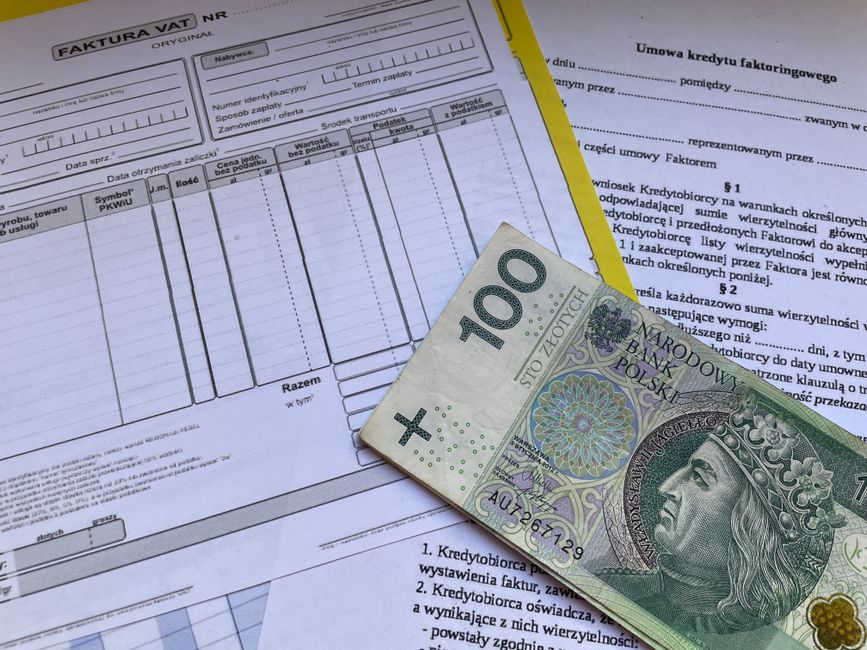
Promotions can have tax implications, especially if you monetize listings or collect fees. Track revenue, fees, and any promotional discounts separately for clear accounting. This helps with VAT compliance and avoids surprises during filing season.
Keep receipts and invoices for all promotional services and platform charges. Use simple categories to differentiate material costs from service fees. Regular reconciliation prevents year-end surprises.
If you’re uncertain, consult a tax professional about how promotion income should be reported and whether you need to register for VAT in the UK.
- Separate revenue and costs
- Maintain clear invoices
- Monitor VAT thresholds
- Seek professional guidance
Digital tools for event posting
Choose the right platform mix
Evaluate platforms by audience fit, not just cost. For London-focused events, prioritize channels with local readership and event calendars. Balance paid boosts with organic listings to maintain credibility.
- Templates for titles and descriptions.
- Guidelines for tagging and metadata.
Set up templates for titles, descriptions, and metadata to speed future posts. Consistent formatting helps readers skim and compare events quickly. Use tagging to improve searchability without clutter.
Test small amounts of budget on a few channels to learn what resonates, then scale gradually as you see engagement.
- Prioritize local-focused platforms
- Create reusable templates
- Use tags and keywords effectively
- Test and scale gradually
Utilize scheduling and analytics tools to plan posts ahead of time and measure impact. Review engagement metrics like saves, clicks, and shares to refine your approach. Automate reminders for deadlines and approvals to avoid late postings.
Explore automation for repetitive tasks while keeping a human touch in copywriting to maintain trust. Regular audits of your tools prevent feature drift and stale workflows.
Be mindful of data privacy rules when collecting subscriber information from event signups and promotions.
- Use scheduling tools
- Track engagement metrics
- Automate reminders
- Respect privacy rules
Measuring success and learning

Define clear success metrics
Decide which metrics matter for each listing: reach, engagement, or conversions. Use simple definitions to avoid confusion, such as a post viewed versus a reader who signs up for updates.
Record baseline data before posting so you can attribute change to your efforts. A few weeks of tracking is enough to spot trends and adjust strategy.
Compare results across channels to identify where your audience spends time and which formats perform best.
- Set 2-3 concrete goals
- Track baseline and post metrics
- Compare channel performance
- Iterate based on findings
Turn findings into repeatable rules
Translate what works into a repeatable checklist for future postings. Create a playbook with steps, approvals, and guardrails to reduce decision fatigue. This makes every new listing faster and more consistent.
Share learnings with teams and partners to align promotions and avoid duplicating effort. A culture of continual improvement strengthens credibility.
Use a quarterly review to test new channels or formats and retire ineffective tactics.
- Create a posting playbook
- Share insights across teams
- Schedule periodic reviews
- Iterate on tactics
Frequently asked questions
Who should post events on London listings?Any site editor or finance writer responsible for reader value can post events. Prioritize local relevance and clarity over volume. Ensure postings are accurate, compliant with platform rules, and disclose any sponsorships when applicable.
How long should a listing stay up?Keep posts up for a reasonable window tied to the event date and relevance. Remove outdated listings promptly, or update with new dates if the event is postponed. Regular pruning prevents reader confusion and keeps the calendar current.
What makes a listing credible?Clarity about what the event offers, transparent pricing where applicable, and straightforward eligibility information build trust. Avoid hype, present the essentials, and provide a contact point for questions.
Can readers opt out of promotional posts?Yes. Offer clear preferences or filters for readers who want to minimize sponsored content. Provide an easy way to adjust settings and respect those choices in future communications.
Practical next steps for listings
Summarize the main steps: identify two distribution partners, audit current listings, and implement a simple playbook that governs approvals and posting cadence. This creates consistency and saves time. The goal is to improve reader value without compromising credibility.
Finish with a concrete action: schedule a 60-minute review with the team to assign ownership, set deadlines, and align on messaging guidelines for the next quarter. This ensures momentum and accountability across listings.
Add Forex & Stock Market News as a preferred source on Google


