
Understand Spanish Community Events: A practical guide for investors
Learn how local events in Spain can affect personal finance and investing, with actionable steps to use event calendars, networking, and local markets to your a

Events in Spain can influence your finances more than you might expect. This explainer shows how local happenings affect budgets, investment opportunities, and risk. It also gives practical steps to use event calendars and community networks to protect your money and grow wealth.
By recognizing how community events shift consumer behavior, you can anticipate costs, plan allocations, and spot niche opportunities. The guide stays focused on actionable steps you can take this quarter, without waiting for big market moves.
You’ll come away with a clear framework: what to track, how to assess impact, and where to find reliable resources that translate events into financial value.
- Events in Spain affect budgets, local markets, and investment opportunities in tangible ways. Use trusted calendars to gauge timing, and set aside a buffer for price shifts tied to community activity.
- Focus on relevance: only events that touch your spending or income matter for personal finance. Evaluate impact using a simple framework and avoid overreacting to short-term spikes.
- Leverage calendars to plan, verify data with multiple sources, and keep a flexible approach to asset allocation and cash flow.
Basics of community events and finance
What counts as a community event
Community events include local markets, fairs, festivals, and charity drives that draw residents and visitors. These events shape spending patterns, transport use, and small-business demand. Tracking them helps you predict cash flow changes at a local level. eventos de la comunidad en España provide a concrete way to anticipate local demand shifts.
- Identify one local event calendar you use
- Mark dates of major events on a calendar
- Assess which expenses rise around those dates
- Prepare a small reserve for unusual price shifts
They also affect prices for everyday goods and services who rely on seasonal demand. For investors, understanding timing can improve budgeting accuracy and risk planning.
- Watch for seasonal peaks in consumer activity
- Note new vendors or disrupted supply chains
- Track public transportation schedules during events
- Watch for seasonal peaks in consumer activity
- Note new vendors or disrupted supply chains
- Track public transportation schedules during events
How events affect budgets and investments
Local events shift demand, which can stretch household budgets in areas with high event frequency. Planning ahead avoids overspending on essentials and leverage opportunities for discounts from vendors who race to meet demand.
For investors, events can create temporary liquidity needs in communities or alter small-cap opportunities tied to tourism, hospitality, or regional services.
- Build a 60-day spending plan around major events
- Consider short-term savings boosts before peak periods
- Review sectors most exposed to local activity
- Build a 60-day spending plan around major events
- Consider short-term savings boosts before peak periods
- Review sectors most exposed to local activity
How to find events and verify value

Where to find reliable calendars
Use official tourism offices, municipal agendas, and reputable local press to identify events. Cross-check dates and venues to avoid last-minute changes. Rely on multiple sources to reduce misinformation. Tienda Gourmet sitio web can guide how to find reliable product sources during events.
- Select two trusted calendars
- Create a monthly check-in routine
- Note dates affecting your priorities
- Record any calendar changes promptly
Verified calendars help you plan investments and budgets with confidence, especially around holidays or harvest seasons when prices and activity shift.
How to evaluate financial relevance
Not every event matters to your finances. Focus on those that affect your household budget, local labor markets, and nearby businesses you rely on. This is about practical relevance, not hype.
Include risk considerations, like sudden price spikes or crowding that can influence transport costs or energy use.
- Filter events by relevance to your spending
- Assess potential price movements in your wallet
- Identify who benefits or loses from changes in demand
Options for leveraging events in personal finance
Budgeting around event cycles
Incorporate event-driven costs into your monthly plan. Allocate funds for higher food, transport, and ticket spending. Build a flexible buffer to smooth out temporary spikes. directorio de negocios de España helps you identify local partners that may influence spending patterns.
- ☐ Events influence spending patterns
- ☐ Calendar-driven planning reduces surprises
- ☐ Flexibility matters for budget resilience
Use this rhythm to time savings, like boosting an emergency fund before peak months, and trim discretionary spending when activity slows again.
Exact examples show how a calendar can guide decisions without overhauling your plan.
- Create a buffer for peak events
- Schedule savings drills around cycles
- Rebalance discretionary spending after events
| Method | How it helps | Limitations |
|---|---|---|
| Event calendars | Plan around dates | May miss informal gatherings |
| News local markets | Spot real-time shifts | Subject to volatility |
| Vendor networks | Access to discounts | Quality varies by region |
Investment angles from local activity
Local demand can boost earnings for small businesses and related sectors such as hospitality and transport. If you own regional stocks or funds, observe event calendars for timing signals.
Avoid overconcentration; use event patterns to balance portfolios with broader exposure. Use event-driven data to review rebalancing needs rather than making knee-jerk moves.
The goal is to align your investments with observable community rhythms, not to chase headlines.
- Use event signals to rebalance portfolios
- Diversify beyond event-led sectors
- Avoid short-term, high-risk bets around events
Events attract opportunists who may misprice services or push risky financial schemes.
Pitfalls to avoid with event-driven planning

Overstating short-term impact
Events can temporarily alter prices or demand, but larger macro trends usually dominate. Don’t extrapolate a one-off spike into a long-term change. Keep expectations grounded. publicar un anuncio en España can be a practical step if you want to reach local customers around events.
Document past event effects to distinguish noise from real recurring patterns.
- Ignore rare anomalies
- Base decisions on multiple events
- Compare with long-term trends
Operational risks and scams
Events attract opportunists who may misprice services or push risky financial schemes. Vet vendors, confirm payment terms, and guard personal data. Stay within your planned budget and avoid overspending on impulse buys.
Rely on trusted outlets and avoid chasing discounts that seem too good to be true.
- Vet offers carefully
- Confirm terms in writing
- Keep receipts and track expenses
Practical use cases
Investment planning opportunities
Investors can use community events to gauge local economic rhythms. Attending meetings helps identify small businesses with growth potential and sectors favoured by local policy. Concrete examples include village fairs that attract regional buyers or cultural gatherings that drive tourist traffic. necrológicas en España
By listening to business owners and municipal leaders, you gain context that numbers alone miss. This primitive insight can refine assumptions for small-cap bets or regional funds. Try mapping event calendars to your quarterly planning to adjust exposure before earnings season.
Use case-specific metrics like attendance trends, funding rounds announced locally, or partnerships disclosed during events. Document these signals and weigh them against your portfolio's risk tolerance. The goal is to align event-driven intuition with a disciplined investment approach.
- Track attendance growth year over year
- Note announced collaborations or grants
- Identify sectors with visible local demand
- Cross-check with regional economic data
- Record actionable takeaways for a quarterly review
Regulatory and tax considerations
Compliance and reporting basics
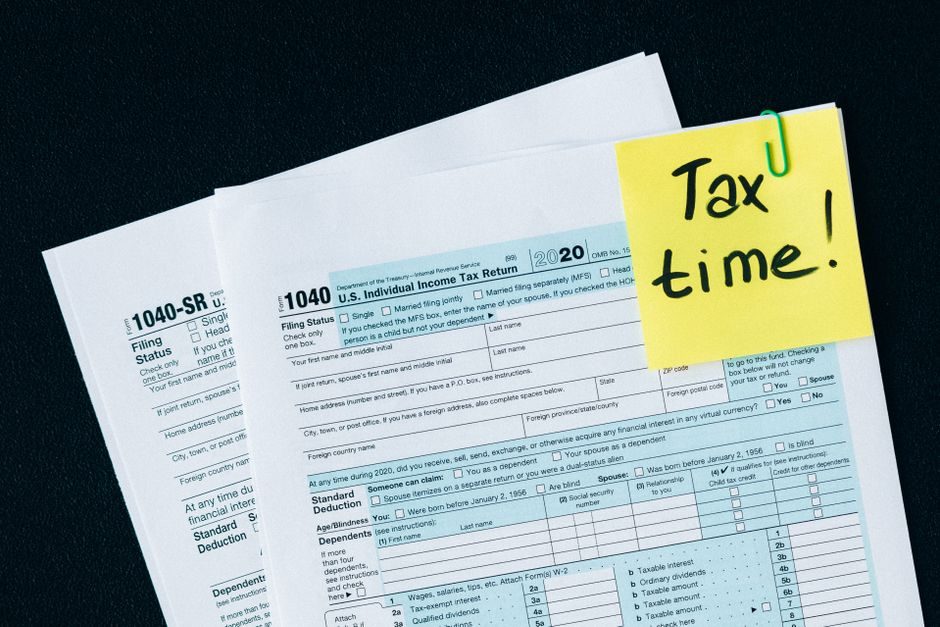
Tax rules affecting event-driven gains vary by jurisdiction and investment type. Understanding how income, capital gains, and deductible expenses interact with community activity is essential. Start with general guidance and build a checklist tailored to your situation.
Keep clear records of any fees, travel, or educational materials linked to events. These can influence your tax position and audit readiness. A simple method is to separate event costs from standard investment expenses in a dedicated notebook.
Consult with a tax professional to translate general rules into your case. Clear documentation helps defend deductions and ensures you report income accurately. The aim is to minimize surprises at tax time while preserving legitimate offsets.
- Separate deductible vs. non-deductible costs
- Maintain an event-specific ledger
- Track travel and accommodation separately
- Review local tax incentives for investors
- Keep receipts and digital copies
Global comparisons
Cross-border event dynamics
Event ecosystems differ by country, affecting how information flows and prices react. In some markets, community events pace the tempo of investment rounds; in others, formal channels dominate. Recognize where informal signals carry more weight and adjust your monitoring accordingly.
Compare event calendars across regions to identify relative timing effects on markets. You might find that some locales cluster investor meetups around harvests or fiscal year cycles. Use these patterns to schedule your own research sprints.
Evaluate the transferability of event-derived insights. Techniques that work in one country may need adaptation for another, due to regulatory, cultural, or economic differences. The key is to avoid assuming universal impacts from local gatherings.
- Identify regional timing effects
- Adopt region-specific evaluation methods
- Avoid assuming universal impact
- Use comparisons to improve forecasting
- Coordinate research with local calendars
Digital tools and automation
Tech that supports event-based investing
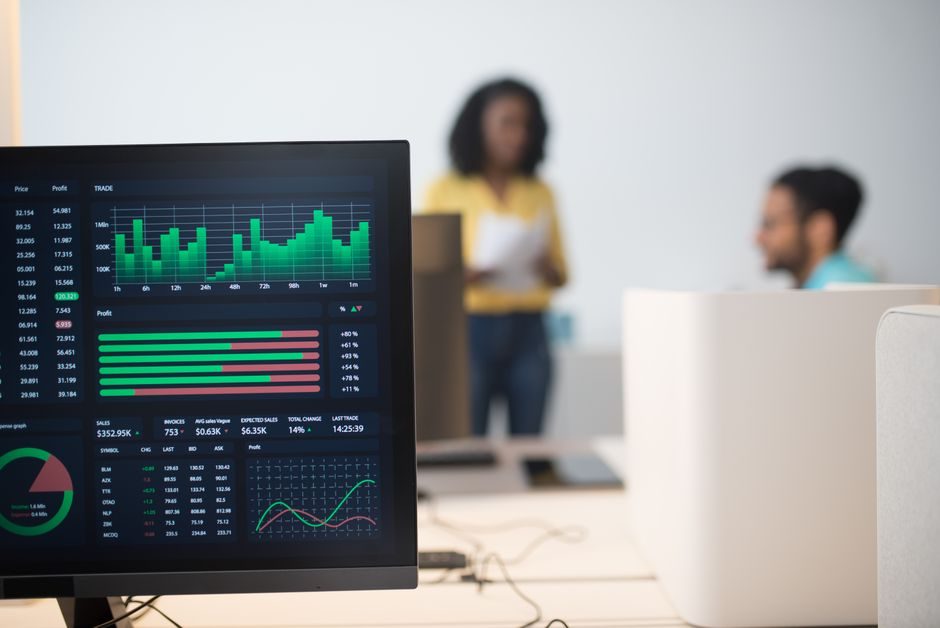
Digital tools help capture, organize, and analyze information from community events. Start with a simple note app or spreadsheet to log key takeaways and potential financial implications. Automate reminders for upcoming events to keep your calendar aligned with your research plan.
Use basic analytics to filter signals by relevance. Tag entries by topic, region, and potential impact on your portfolio. A lightweight workflow keeps you from drowning in unverified rumors and irrelevant chatter.
Establish a governance routine for automation, including when you validate information and how you escalate uncertain signals. The objective is to maintain timely, accurate inputs without overspending on data gathering.
- Tag notes by region and topic
- Schedule event reminders
- Automate data backups
- Create a validation checklist
- Use simple dashboards for tracking
Frequently asked questions
What kinds of events should I prioritize for finance insights?Prioritize events that discuss local economic activity, infrastructure plans, or policy changes. Community forums, chamber of commerce meetings, and municipal budget sessions are often most relevant because they reveal near-term activity and potential investment themes.
How should I organize event notes for future reference?Keep a dedicated notebook or digital file with event date, location, topic, and a short takeaway. Tag notes by region and potential impact, then link each entry to related holdings or hypotheses in your investment framework.
Are there tax benefits to attending events?Some event-related costs may be deductible as research expenses, depending on your jurisdiction. Maintain receipts and categorize travel, materials, and registration fees separately from standard investing costs.
How often should I review event-derived signals?Review signals quarterly alongside your portfolio review. Revisit high-impact events after major local announcements or elections to confirm whether early impressions held up over time.
Conclusion
Spanish community events can be a practical add-on to an investor’s toolkit. They offer timely context that complements traditional data, particularly for regional funds or local businesses. The aim is to translate observations into concrete investment steps.
Build a routine that turns impressions into tested hypotheses. A consistent process reduces surprises and clarifies how event signals fit your overall plan.
With careful planning, these events become a reliable source of qualitative insight that supports informed decision-making.
Add Forex & Stock Market News as a preferred source on Google


