
Posting events and promotions in Las Vegas: a practical finance guide
A concise guide for readers of FXStocksNews on pricing, timing, and risks when posting events or advertising in Las Vegas; includes concrete steps and a safe ch

If you’re trying to reach local investors or customers, posting events in Las Vegas can boost visibility and interest in your financial ventures. This guide explains when it makes sense, how to plan costs, and how to measure impact without overspending. You’ll learn practical steps, common pitfalls, and where a Las Vegas focus fits into a broader finance strategy.
We’ll cover the basics of event posting, the best channels for a financial audience, and how to price and track attendance or registrations. You’ll come away with a clear plan that aligns with budgeting for marketing or client outreach. The goal is to translate a local event into meaningful financial outcomes.
Expect checklists, real-world examples, and plain-English guidance that helps you decide if and when to post in Las Vegas and how to do it without wasting resources.
- Postings in Las Vegas can support local client outreach and investment education if planned with clear goals.
- Choose channels that reach your target audience and track attendance against your budget.
- Price, timing, and content must align with your financial objectives and risk management standards.
- Use simple follow-up workflows to convert interest into measurable outcomes.
Foundations for local event postings
Assess relevance to finance
Direct events should offer financial value, such as seminars on investing, budgeting, or crypto risk management. Evaluate your audience in advance and tailor content to their needs. Consider how attendance translates into client leads, collaboration, or educational credibility. post your event in Las Vegas
- Define the financial goal (lead capture, education, product launch)
- Identify the most helpful audience segments
- Estimate overhead against potential returns
- Set a minimum viable attendance target
- Plan for follow-up communications
Choosing channels and timing
Select channels that reach your target investors or savers, such as local meetups, financial clubs, or professional groups. Schedule events during slower business days to improve turnout. Align the event date with market cycles or tax deadlines to increase relevance.
- Use professional networks and local calendars
- Coordinate with venue and sponsors for visibility
- Offer value through clear agendas and takeaways
- Avoid peak travel periods when attendance may drop
- Track RSVPs and adjust marketing quickly
How to price and promote your event

Pricing and value
Price should reflect the audience’s perceived value and your costs. Consider a tiered approach with a free entry plus paid workshops or materials. Provide a clear return on investment in the invite, such as knowledge or tools attendees can use immediately. Las Vegas Newser
- Set a base price that covers venue and materials
- Offer student or early-bird discounts
- Provide a money-back guarantee on cancellations
- Separate tickets for premium content
Marketing and risk controls
Promote through professional networks, email lists, and trusted media where your audience spends time. Limit claims to what you can deliver and disclose potential risks of any financial topic. Prepare a simple crisis plan in case of low turnout or cancellations.
- Use a concise value proposition
- Publish a transparent program outline
- Have a go-to contact for attendees
- Prepare a cancellation policy
What to watch for when funding and costs rise
Budgeting upfront
Create a detailed budget that includes venue, equipment, speakers, and marketing. Build contingency reserves for unforeseen costs. Compare actual spend against forecast weekly to stay in control. add your business to the Las Vegas business directory
- List all line items and owner
- Set a contingency buffer
- Use short review cycles for spend
- Adjust plans if costs exceed budget
- Document variances for tax reporting
| Approach | Pros | Cons |
|---|---|---|
| In-person seminars | Direct interaction; credibility | Higher costs; limited reach |
| Hybrid events | Broader reach; flexible | Requires tech setup; attendance ambiguity |
| Digital workshops | Low cost; scalable | Less personal connection |
Legal and compliance basics
Ensure your event complies with local regulations around advertising, fundraising, or financial advice. Provide clear disclosures and avoid giving specific investment advice. Keep attendee data secure and follow privacy laws.
- Check local advertising rules
- Disclose affiliations and limitations
- Protect attendee data
- Maintain event records
Send a concise recap to attendees with next steps, resources, and contact info.
Tips to run a smooth Las Vegas event

On-site logistics
Prepare a simple schedule, signage, and registration flow to minimize delays. Have backup plans for AV issues or weather-related disruptions. Train staff to handle questions about refunds or content. advertise a job vacancy in Las Vegas
- Test tech before start
- Assign roles to staff
- Prepare quick refunds or re-entries
- Have clear signage and maps
After-event follow-up
Send a concise recap to attendees with next steps, resources, and contact info. Track engagement by opening emails or clicking links to your site. Use feedback to refine future events and marketing budgets.
- Send thank-you notes promptly
- Share key takeaways and resources
- Invite attendees to join a mailing list
- Review feedback for improvements
Choosing a venue for finance events
Venue selection criteria
When selecting a venue, prioritize rooms with good acoustics, comfortable seating, and reliable Wi-Fi, since streams or live demos depend on steady connectivity. Consider proximity to transportation and parking options to minimize attendee friction. Compare at least three venues to understand what combinations of price, size, and services fit your budget. announce a death in Las Vegas
- Choose a venue with reliable internet and clear sightlines for a screen.
- Prefer venues that offer flexible room layouts and separate spaces for networking.
For financial events, a venue with private spaces for conversations can boost lead quality. Check for dedicated event staff who can assist with setup, audiovisual needs, and on-site registrations. Do a quick site walk to assess security, accessibility, and emergency exits.
Ask for a detailed contract that lists all included basics like chairs, projectors, and refreshment breaks. Confirm cancellation policies and rain plans for outdoor segments. Having a clear agreement reduces last-minute costs and stress.
- Evaluate AV capabilities before booking
- Prefer venues with built-in breakout rooms
- Ask about bundled refreshments
- Request a written, all-in pricing quote
Turning attendees into clients

Engagement strategies that convert
Design the event around a clear value proposition, and communicate it in the invitation so attendees know what they gain. Use short presentations and practical demos that solve a money-related problem, not just theory. Have a confident host who neatly transitions from content to a call-to-action.
Offer a simple, trackable path after the event, such as a free consult slot or an introductory account review. Use a QR code or a short link to capture contact details and consent for follow-up. Avoid long sales pitches that blur the educational intent.
Provide post-event materials that reinforce learning, such as a checklist or template users can apply to their finances. Schedule a follow-up email within 48 hours with a summary and next steps.
- Provide a clear CTA
- Use concise demos
- Capture contact information
- Deliver post-event value
Measuring event ROI for investors
Quantifying impact after the event
Track attendance and engagement by measuring the number of attendees who request a follow-up. Compare the ratio of prospects to total attendees to gauge initial interest without relying on vague impressions. Include qualitative feedback from surveys to understand perceived value.
Use a simple follow-up metric: number of qualified leads per week for the next month, adjusted for the event’s size. Tie this to a tangible financial outcome, like potential fee-based consultations or product sign-ups. Keep calculations transparent for stakeholders.
Document lessons learned by listing what worked and what didn’t, then adjust your next event plan accordingly. A consistent method helps investors see progress beyond a single event.
- Track attendance and follow-ups
- Measure qualified leads
- Link activity to revenue
- Capture feedback for iteration
When to skip events and pursue alternatives
Alternatives that save time and money
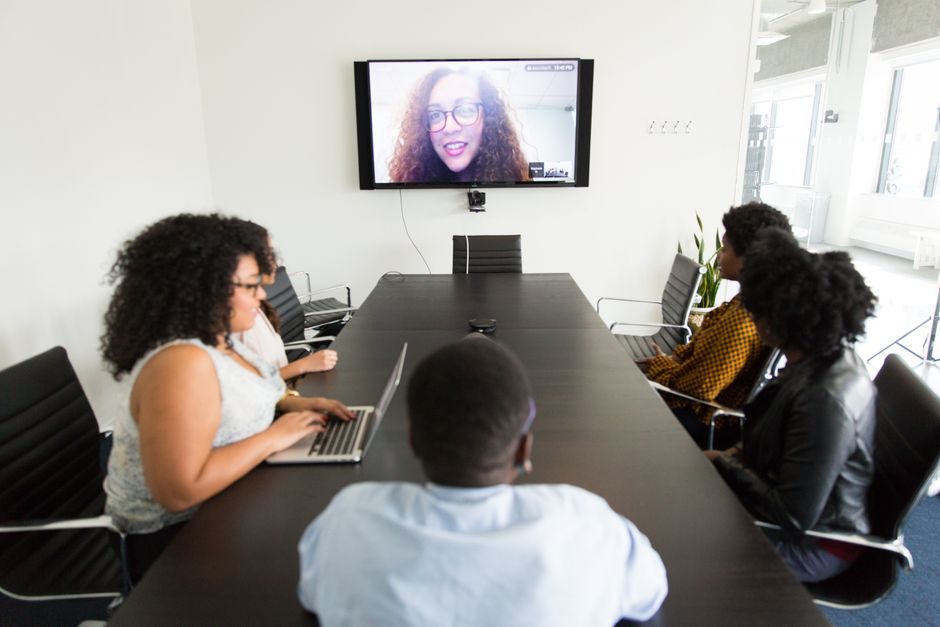
If the target audience is spread out or budget is tight, consider virtual events or hybrid formats to reach more people without travel costs. Evaluate whether the content translates well to short online sessions or serialized formats. A strong online offering can outperform a poorly executed in-person effort.
For niche segments, precision outreach may beat broad events; focus on focused webinars, roundtables, or one-on-one advisory calls. Use paid channels cautiously and only after you have a clear value proposition and a tested pitch. Avoid overbooking, which dilutes attention and raises expenses.
Plan a fallback strategy with a decision path: if registrations stall, switch to lighter formats or reschedule to a less expensive time. Document the decision criteria so investors understand the logic behind running or pausing events.
- Choose virtual over in-person when appropriate
- Use targeted formats
- Have a clear pivot plan
- Document decision criteria
Frequently asked questions
How do I decide between a live Las Vegas event and a virtual alternative?Assess your audience’s preference, travel costs, and the likelihood of meaningful interactions. If attendees benefit from face-to-face networking, a live event may be worth the extra cost; otherwise, a well-structured virtual session can reach more people with lower risk.
What’s the quickest way to turn signups into consultations?Offer a guaranteed short consultation as a follow-up incentive and ensure the signup form asks for permission to contact. Schedule the consult slots before the event ends and send calendar invites to reduce friction.
How can I track ROI without overcomplicating the process?Use a simple framework: count qualified leads, set a short follow-up window, and assign a dollar value to each lead. Keep the method transparent so investors can see progress over time.
When should I skip an event and try something else?If the target audience is unlikely to attend due to timing, cost, or relevance, pivot to more focused formats like small webinars or advisory calls. The goal is quality engagement, not volume.
Closing thoughts for finance planners
Plan events with a clear financial objective and a practical follow-up path that translates into measurable outcomes for clients and investors. A well-structured program can elevate credibility and support longer-term relationships.
Next steps are to map a 90-day event plan that aligns with quarterly goals, reserve a venue or platform, and outline a post-event workflow that captures data for ongoing optimization. Start small, test, and scale only when the metrics show steady progress.
Add Forex & Stock Market News as a preferred source on Google


