
Understand Krypto Fokus Deutschland: practical steps for investors
A clear explainer for readers on fxstocksnews.com: what Krypto Fokus Deutschland means for investing, with actionable steps and pitfalls to watch.

If you want to manage crypto exposure responsibly, start by understanding how German-focused resources like Krypto Fokus Deutschland fit into your strategy. This explainer lays out what the resource is, why it matters for investors, and how to use it without overreacting to hype. You’ll get concrete steps to evaluate crypto information against your goals and risk tolerance.
Next, we translate the basics into practical actions: how to verify guidance, how to track developments, and how to avoid common traps in crypto markets. The goal is to give you a repeatable process for using specialized content wisely. Expect concrete examples, simple checks, and clear do-this-now steps.
Finally, you’ll see how to incorporate such resources into a balanced plan: what to read, when to act, and how to document decisions for your financial records. This approach helps you stay disciplined and avoid impulsive moves that can erode long-term returns.
- Krypto Fokus Deutschland is a Germany-focused crypto resource that can inform investment decisions, but it should be cross-checked with your plan.
- Treat any crypto guidance as one input and verify it against current rules and your risk framework.
- Use a simple process: verify sources, map to your plan, and document decisions for tax and reporting.
- Maintain a quarterly review to keep guidance aligned with your goals.
Basics and context
What this resource covers
Krypto Fokus Deutschland is a focused source aimed at German crypto topics, including market updates, regulatory developments, and practical guidance for readers.
- Focus on German crypto topics and regulations
- Cross-check guidance with your own financial plan
- Document decisions for tax and reporting
It offers perspectives that may influence how you assess crypto investments, tax considerations, and platform choices.
The key is to separate opinion from verifiable facts, then test guidance against your own plan.
This sub-section helps you anchor your expectations and set boundaries around information you trust.
- Identify the core topics the resource covers
- Note how often updates occur
- Check for explicit data sources
- Compare guidance with your own goals
- Watch for bias or promotional language
How to use it responsibly
Treat Krypto Fokus Deutschland as one input among many, not the sole source for decisions.
Match what you read to your risk tolerance and diversification strategy.
Use the information to question assumptions, not to follow every trend.
Keep a ledger of what you read and why you chose to act or not act.
Evaluation steps

Assess credibility and bias
Look for clear author information and dates. Assess whether the content presents data, opinions, or case studies. Veranstaltung eintragen in Deutschland helps you share relevant events in your network.
Estimate how current the guidance is and whether it reflects evolving regulation in Germany.
Compare claims with official sources such as BaFin or tax authorities where possible.
Record any uncertainties and plan a follow-up check.”
- Check author and date
- Identify data vs opinion
- Verify with official sources
- Note unresolved questions
Cross-check with your plan
Map insights to your financial plan before acting. If a suggestion affects tax, consider consulting a professional or using reputable tax guides.
Apply a risk filter: would you buy this asset at current price with the same plan?
Schedule a quarterly review of crypto guidance against your goals and holdings.
Document your conclusion and the rule you followed.
- Link guidance to your plan
- Use a risk checkpoint
- Set a review cadence
- Record decisions and reasons
Practical actions
Reading and note-taking
Skim for headlines and data, then save the full articles for deeper review later. Geschäft eintragen in Deutschland may be useful for listing business activities in crypto.
- Identify objective
- Extract data points
- Note limitations
- Archive sources
Summarize the key takeaway in one sentence and back it with one data point.
Annotate any questions or assumptions you spot.
Keep a running list of credible sources you rely on.
- One-sentence takeaways
- Data-backed summaries
- Notes on assumptions
- Source list
| Option | Pros | Cons |
|---|---|---|
| Direct investment | Potential gains | Higher risk and tax complexity |
| Index funds | Diversification | Less upside in booms |
| Staking with caution | Passive income | Illiquidity risk |
Applying in your plan
Translate insights into a concrete action plan, such as rebalancing or adjusting risk exposures.
Limit crypto exposure to a defined percentage of portfolio and revisit quarterly.
Use stop-loss or limit orders to manage price swings when implementing ideas.
Document when you act and why it aligns with goals.
- Set exposure targets
- Schedule reviews
- Use risk controls
- Record rationale
Compare tokens with similar use cases to see if volatility aligns with fundamentals.
Analyzing risks and opportunities
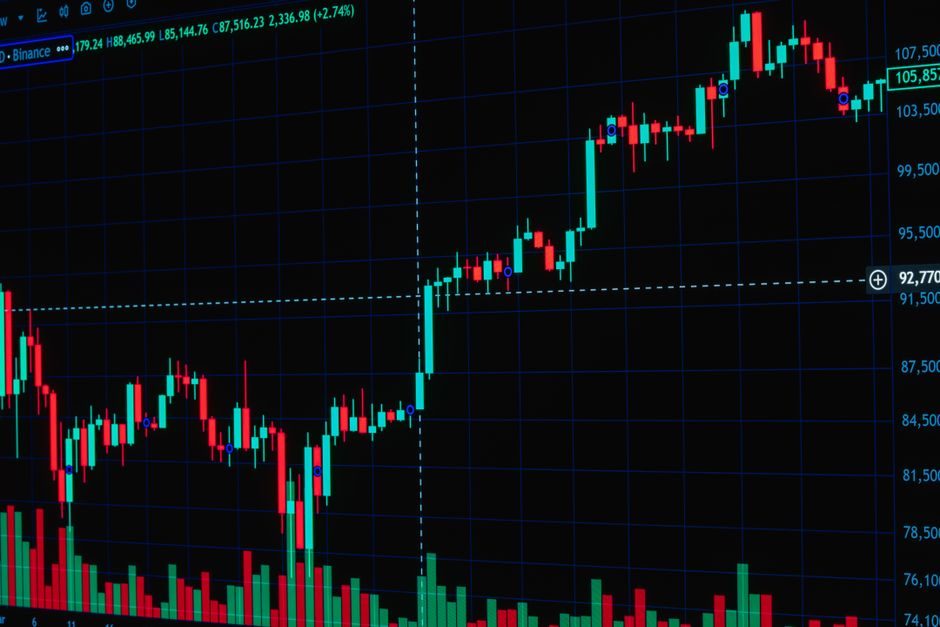
Assessing volatility and liquidity
Investors should quantify how quickly an asset can move in price and how easily it can be sold without affecting the price much. Start by looking at historical ranges, daily moves, and trading volume to gauge typical risk. Use this to set position sizes and stop losses that fit your tolerance. Stellenanzeige aufgeben in Deutschland offers a channel to post job opportunities in crypto sectors.
Compare tokens with similar use cases to see if volatility aligns with fundamentals. High liquidity often means tighter spreads and faster exits, while thin markets may expose you to slippage. This helps determine whether a position fits your portfolio.
- Check average daily volume for the asset
- Note price swing during market open and close
- Identify potential exit challenges under stress
- Observe order book depth in your trading window
Regulatory updates you should monitor
Keeping track of policy changes
Regulators periodically adjust rules around custody, reporting, and taxation. Staying informed helps you adjust strategies before unexpected compliance costs hit your returns. Track official notices and reliable commentary to separate rumor from policy. Deutschland Traueranzeigen
Understand how new rules affect reporting requirements and costs for foreign exchanges or wallets you use. A small change in jurisdiction can alter the expected after‑tax result of a trade or holding.
Develop a simple process to review regulatory updates weekly, focusing on practical implications rather than speculative scenarios.
- Identify the primary regulator for your assets
- List accounts and wallets affected by rules
- Note any tax reporting changes for crypto gains
- Check timelines for compliance requirements
Tools and resources for crypto research

Finding credible data sources
There is no single source that covers every asset comprehensively. Build a toolkit of price data, on‑chain metrics, and project disclosures to cross‑check claims. Prioritize sources that show methodology and updates.
Look for transparency in how data is gathered and updated. Prefer interfaces that let you reproduce the calculations behind indicators.
Use a consistent method to compare assets, such as standardizing timeframes and normalizing metrics for easy comparison.
- Price data from multiple exchanges
- On‑chain activity and wallet activity
- Project whitepapers and disclosure notes
- Risk indicators and sentiment gauges
Common mistakes to avoid
Mindset and process blind spots
Many investors rush into trades based on headlines or hype rather than fundamentals. Take time to verify claims with multiple sources and analyze the underlying use case. Slow, deliberate analysis reduces costly errors.
- Set a maximum allocation per asset and stick to it.
- Review and update your plan when conditions change.
Overconcentration on a single asset or sector exposes you to idiosyncratic risk. Diversify across assets, and set clear limits on how much any one position can influence your portfolio.
Failing to price risk correctly leads to disappointing results. Use scenario planning to estimate how your holdings perform under different market conditions.
- Avoid chasing hot tips
- Limit exposure to any single asset
- Price risk with explicit scenarios
- Keep a written investment plan
Frequently asked questions
What should I do first when evaluating a crypto project?Begin with the project’s stated use case, team transparency, and tokenomics. Cross‑check governance details and any independent audits. Then compare with similar projects to understand relative risk and potential upside.
How can a small investor diversify without overextending?Choose a core set of assets with clear utility, then allocate small slices to related sectors. Rebalance quarterly to maintain your target risk profile and avoid overconcentration.
What records do I need for taxes on crypto trades?Keep trade dates, prices, quantities, and wallet addresses. Most jurisdictions require reporting for gains and losses; maintain receipts and transfer records for audits.
Is custody risk higher with exchanges or wallets?Exchanges offer convenience but custody risk exists if access credentials are compromised. Private wallets reduce risk but require careful key management and backup plans.
Wrapping up practical steps
In crypto investing, disciplined processes beat hype. Use clear criteria, monitor developments, and keep risk within defined limits to protect capital over time.
A practical routine is your best ally: weekly checks on prices, regulatory moves, and credible research sources, plus a fixed plan for rebalancing and learning from mistakes.
Add Forex & Stock Market News as a preferred source on Google


