
Smart checklist for German investing: clear, practical steps
A practical, checklist-style guide for personal finance and investing. Learn steps, pitfalls, and tips with concrete examples for German markets and crypto basi

This guide gives you a practical, step-by-step approach to managing money, investing, and staying informed. It answers how to use reliable resources and avoid common mistakes while navigating German markets and digital assets. You’ll find concrete actions you can take this week to boost control over your finances.
The checklist emphasizes clear decisions, not hype. You’ll get straightforward explanations, real-world examples, and cautions about fees, taxes, and risk. Use these steps as a steady rhythm for everyday money management and smarter investing.
By following the checklist, you’ll build a reliable routine: plan, compare, and monitor. Each paragraph here aims to equip you with actions you can perform now, with care for risk and long-term goals.
- Plan your money with a simple, repeatable routine.
- Choose reliable sources and low-cost options to build a solid portfolio.
- Track taxes and fees from day one to protect returns.
- Always test ideas with small bets before committing real money.
Basics to decision: what to know first
Foundational checks
Start with a budget and a goal, then map your cash flow. Track income, essential expenses, and discretionary spending to see where you can save. This groundwork makes it easier to decide how to invest or save. kaufen und verkaufen in Deutschland makes the process clearer for beginners and adds local relevance.
- Set a monthly savings target
- Identify avoidable fees
- Record all income sources
Resources and steps you trust
Look for reputable sources that explain markets in plain terms. Favor sites with transparent fees, tax guidance, and clearly stated risks. Use occasional summaries to check your understanding before acting.
This section helps you pick reliable information before making a move. It also covers when to seek professional help and how to recognize signals of changing conditions.
A practical habit is to review one resource weekly, noting new terms and the implications for your plan.
- Choose two main sources
- Note fee structures
- Watch for bias or promotional tone
How to build a basic portfolio
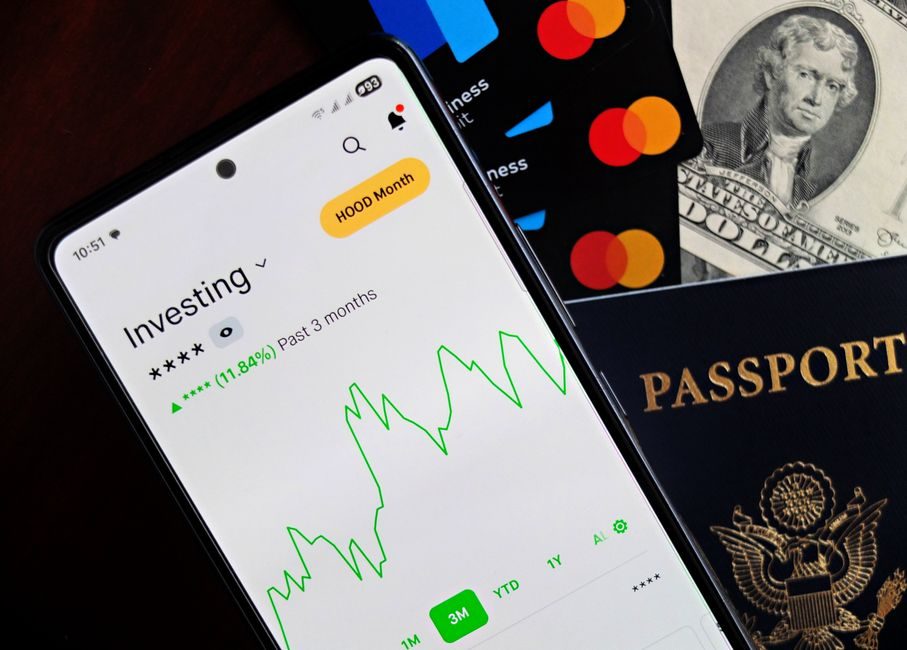
Asset allocation you can follow
Allocate by risk tolerance and time horizon. A simple mix includes cash, bonds or bond funds, and a core equity position. Revisit your targets annually to stay aligned with life changes. Newsiosity Nachrichten helps you stay informed with concise, reliable updates to inform decisions.
- Define your goal
- Choose a broad fund
- Set automatic contributions
- Review yearly
For beginners, keep costs low and avoid chasing hot picks. Favor broad-market funds or indexes that track wide indices and rebalance as needed.
Concrete practice is to set a quarterly review that adjusts only when your life situation or markets change significantly.
- Use broad index funds
- Keep costs (fees) low
- Rebalance gradually
Tax and cost awareness
Understand how taxes affect returns and net income. In Germany, report capital gains and relevant income carefully to avoid surprises. Plan for tax-efficient withdrawals and strategic harvesting where appropriate.
Be mindful of purchase and exit costs. Even small fees compound over time, eroding gains more than you expect.
Track all transactions so you can report accurately and adjust holdings to optimize tax outcomes.
- Record trades and costs
- Use tax-advantaged accounts if available
- Offset gains with losses where possible
Options for buying and selling in Deutschland
Where to transact safely
Choose regulated venues with clear rules and dispute resolution. Prefer platforms that separate client assets and provide transparency on fees and execution times. Start with small, test trades to learn the process without large risk. lokale Veranstaltungen in Deutschland offer real-world learning opportunities that can sharpen market awareness.
Verification and security matter: enable two-factor authentication and review withdrawal limits. Use reputable wallets or custody options for crypto trades.
A practical approach is to simulate trades or use paper trading before committing real money.
- Use regulated brokers
- Enable strong security
- Test with small trades
| Option | Pros | Cons |
|---|---|---|
| Regulated brokers | Sensible risk controls | Fees can vary widely |
| Broad index funds | Low cost, broad exposure | Limited ability to pick winners |
| Crypto wallets with custody | Enhanced security | Requires technical setup |
Avoiding common pitfalls
Don’t let hype drive decisions. Crypto and high-yield offers can tempt impulse bets that don’t fit your plan. Stick to your target asset mix and re-evaluate after market moves.
Keep records for tax and performance tracking. Missing documents or misclassified gains complicates reporting and planning.
Set rules for risk: maximum drawdown and position sizing help prevent large losses.
- Stick to your plan
- Document every trade
- Limit exposure per idea
Trust is earned through clear disclosures, predictable execution, and consistent customer support.
Pitfalls and common mistakes

Red flags to watch
Identify warning signs like sudden liquidity issues, opaque pricing, or unclear withdrawal policies. These cues suggest avoiding or pausing activity with the provider. Unternehmen finden in Deutschland connects readers with local services that support informed investing and planning.
Trust is earned through clear disclosures, predictable execution, and consistent customer support. If anything feels inconsistent, reconsider the option.
Compare terms across two or three sources before committing funds to avoid hidden costs.
- Check license and safety records
- Ask for a written contract
- Compare costs before you sign
What to do after a mistake
Mistakes happen even to careful planners. Respond quickly by pausing activity, reviewing the records, and identifying what caused the issue. Then correct course with a small, measured adjustment.
Document the decision process to learn from it and prevent repetition. Use a simple checklist to enforce good habits during recovery.
Seek guidance if the plan remains unclear after an error, rather than doubling down on the same move.
- Pause before acting
- Review records
- Adjust and learn
Advanced strategies and alternatives
Diversified income approaches
Develop a plan that blends growth with income. Consider dividend-focused selections alongside growth equity to balance risk. Revisit your goals annually and adjust toward steadier cash flow when needed. Todesanzeige veröffentlichen in Deutschland
Balance is key: supplements to capital appreciation include covered calls or fund-based strategies that fit your risk tolerance. Keep tax implications in mind, and avoid overconcentration in a single sector.
Regularly review performance against a baseline like a diversified index. If a position underperforms for several quarters, reassess its role in your portfolio and consider reallocation.
- Diversification across asset classes
- Tax-efficient strategies
- Regular performance reviews
- Risk-aware rebalancing
- Cost-conscious investing
Global markets snapshot

International market context
A broad view helps you spot regional trends before they impact your portfolio. Compare developed markets with emerging ones to gauge risk and opportunity. Focus on sectors that show resilience during downturns.
- Identify regions with improving earnings trends.
- Monitor currency moves that affect returns and costs.
- Adjust foreign exposure as your risk tolerance changes.
Keep currency risk in mind when allocating internationally. Hedging can reduce volatility for some investors, but it adds cost and complexity.
Use a trusted source to monitor major indices, such as a rotating set of markets that aligns with your investment horizon.
- Developed vs. emerging markets
- Currency considerations
- Diversified regional exposure
- Cost and complexity balance
- Signal-based rebalancing
Special topics: crypto and tokens
Understanding crypto basics
Crypto assets can offer diversification but come with high volatility. Define a clear role for crypto within your portfolio to avoid speculative bets. Start with a small, manageable exposure and increase only as you understand the underlying technology.
- ☐ Define a crypto exposure that fits your total risk budget.
- ☐ Select a secure storage method aligned with your comfort level.
- ☐ Document a simple exit plan for crypto positions.
Track the security and custody implications, including where you store private keys. Choose custodial or non-custodial options based on your comfort with risk and responsibility.
Stay aware of regulatory shifts that could affect access or taxation.
- Volatility awareness
- Clear risk limits
- Secure storage practices
- Regulatory awareness
- Tax considerations
Practical next steps

Putting the plan into action
Translate theory into a concrete, repeatable process. Start with updating your budget, setting an investment ceiling, and choosing a couple of index funds for core exposure. Document your target allocations and remind yourself why each choice exists.
Open or confirm an account that supports your chosen investment path, whether it’s a broker, bank marketplace, or robo-advisor. Understand the funding process, trading hours, and any maintenance fees.
Set a quarterly calendar reminder to review goals, update your risk profile after life events, and adjust contributions accordingly.
- Update budget and goals
- Choose core investments
- Select a funding method
- Regular goal reviews
- Adjust contributions as needed
Frequently asked questions
How should a beginner start investing with limited funds?Begin with a fixed monthly amount, prioritize low-cost index funds or broad ETFs, and establish a core portfolio. Avoid high-risk bets early and keep contributions consistent to build discipline and familiarity with the market.
What is the right way to rebalance a portfolio?Set predefined bands for each asset class, monitor performance, and rebalance when allocations drift beyond those bands. Use tax-efficient accounts when possible and consider automatic rebalancing if your platform supports it.
Is crypto suitable for all investors?Crypto should be a small, speculative sleeve within a broader portfolio. Understand custody risks, security practices, and tax implications before allocating, and limit exposure to funds you can afford to lose.
What common mistakes should I avoid in Germany?Avoid overtrading, neglecting fees, and chasing tips without evidence. Stick to a written plan, track costs, and maintain a long-term perspective.
Next steps to take now
Draft your personal investment checklist based on the steps above, and set one measurable goal for the next 90 days. Include a core market exposure, a cash reserve, and a plan for rebalancing.
Prepare a brief, written plan to review quarterly: what to adjust, what to keep, and how to measure progress. Use the rules and tools most relevant to your situation, and document outcomes to learn from them.
Add Forex & Stock Market News as a preferred source on Google


