
Smart steps to manage money around Edinburgh events and markets
Practical finance guide for event planning, selling, and local markets in Edinburgh with clear steps, risks, and smart budgeting tips.

Planning around Edinburgh can impact your finances in several ways. This guide gives practical steps to budget for events, manage selling items, and assess local opportunities. You’ll learn how to set a budget, track costs, and pick safe, money-smart options that fit your goals.
By treating event costs, selling activities, and local opportunities as distinct but connected tasks, you can avoid overspending. The framework here helps you weigh risks, compare options, and build a simple plan you can reuse. Expect concrete steps you can take this month.
This article stays grounded in real-world finance principles: clear budgeting, cash flow checks, and sensible risk limits. You’ll finish with actionable actions, ready-to-use templates, and links to practical resources for Edinburgh.
- Budget core costs first and keep a 10% contingency for surprises.
- Choose options by value, not just price, and document your decisions.
- Plan selling activities with clear pricing bands and simple, insured processes.
- Look for Edinburgh-focused opportunities that fit your risk tolerance and time frame.
Foundational budgeting for local events
Set a realistic event budget
Start with the event’s core costs: venue, permits, tickets, and basic services. Estimate conservatively and add a 10% contingency for unexpected fees. Track every line item so you don’t overspend on decor or extras. edinburghdaily.uk
- Budget for core costs first to avoid overspending
- Keep a small contingency to cover surprises
- Track all costs in a simple spreadsheet
Remember to separate one-off costs from recurring expenses, like monthly venue fees or insurance. This helps you forecast cash flow over time. Use a simple spreadsheet to keep totals visible as you plan.
Be mindful of timing; early booking often saves money, but refundable options matter if plans shift.
- Define absolute max spend for each category
- Capture all potential fees up front
- Update the budget weekly as quotes come in
Choose cost-effective options
Compare venues based on capacity, accessibility, and included services, not just price. A slightly larger space with good flow can reduce additional setup costs. Consider partnerships with local sponsors to defray some expenses.
Look for flexible terms: cancelation windows, shared equipment, or off-peak discounts. Small savings can compound into a healthier margin by event day.
Document decisions and why certain options were chosen to simplify future planning.
- Evaluate value, not just price
- Consider bundled services to cut third-party fees
- Record decision reasons for auditability
Where to sell or trade items safely

Plan your selling strategy
Decide what to sell, when, and how you’ll price it. Start with a few high-demand items to gauge interest, then add related pieces. Use clear photos and detailed descriptions to reduce inquiries. A useful resource on this topic: list your event in Edinburgh.
Set pricing bands: a firm sell price, a likely negotiation range, and a walk-away price. This prevents haggling from eroding margins.
Keep track of costs like shipping, storage, and listing fees to ensure each sale contributes to your bottom line.
- Prioritize items with fastest turnover
- Use standardized descriptions
- Monitor listing costs
Mitigate common selling risks
Be aware of item condition and potential returns. Establish a simple returns policy to manage expectations and avoid disputes. Use insured shipping for valuable pieces to protect against loss.
Maintain records for tax purposes: sale dates, prices, and any related expenses. This helps when reconciling earnings at year-end.
If selling locally, verify pickup or delivery times to minimize delays and miscommunications.
- Set clear return terms
- Keep receipts and delivery confirmations
- Coordinate with buyers to confirm arrangements
Local opportunities that affect finances
Identify legitimate Edinburgh chances
Look for market opportunities that align with your finances: small-scale investments, seasonal promotions, or side gigs that match your time. Assess how much capital you’re willing to risk and how soon you want a return. A useful resource on this topic: submit your business in Edinburgh.
Vet opportunities by forecasting potential revenue against costs. A simple projection helps you cut ideas that look good on paper but fail under scrutiny.
Use benchmarks from comparable local activities to sanity-check your plan, avoiding over-optimistic forecasts.
- Match ideas to available time
- Run a quick break-even test
- Prefer low-risk, tested ideas
| Option | Pros | Cons |
|---|---|---|
| Self-managed market | Low cost, flexible | Requires time and effort |
| Third-party marketplace | Reach more buyers | Fees eat into margins |
| Direct local ads | Full control | Limited reach |
Beware of financing traps
Avoid over-leveraging for too many projects at once. Spreading capital thinly increases the chance of cash flow gaps. Build a small, manageable portfolio rather than a stretched one.
Check cash needs like deposits, insurance, and supplier terms before committing. Waiting on confirmations can delay revenue realization.
Protect liquidity by keeping a buffer; a short-term reserve helps cover gaps during slow periods.
- Don’t chase every opportunity
- Keep a monthly cash buffer
- Ask questions about terms before committing
Track daily spending during events for a week, then compare to your normal pattern.
Advanced risk management
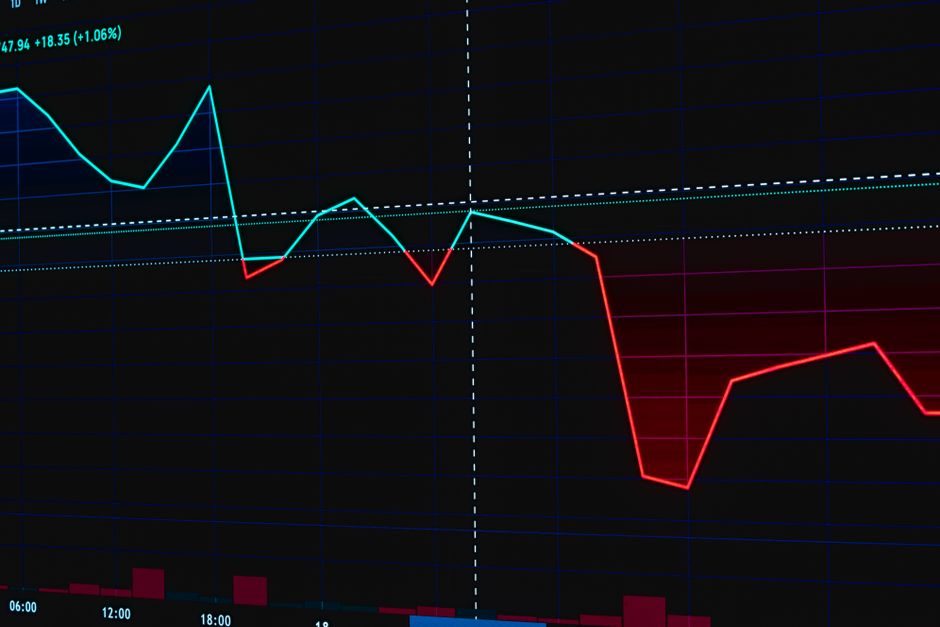
Assessing event-related risks
Begin with identifying the specific financial risks tied to Edinburgh events and markets, such as cash flow gaps from weekend crowds or sudden price swings in local markets. Map these to your personal budget so you know what to protect. Use a simple worst-case scenario to test whether you have buffers or lines of credit ready. A useful resource on this topic: used items for sale in Edinburgh.
Forecasting requires concrete numbers wherever possible, even if rough. Track daily spending during events for a week, then compare to your normal pattern. If you notice a 15-30% spike in discretionary spends, adjust your plan accordingly.
Create a simple risk log: categorize risks, assign likelihood and potential impact, and note mitigations. Review it after major events or market days to stay proactive. This habit helps you avoid reactive decisions when markets move.
- Cash-flow shortfalls during peak events
- Unexpected price changes in traders’ stalls
- Overexposure to one market segment
- Delays in refunds or reimbursements
Strategies for diversification
Spreading exposure beyond central events
Diversification protects you from a single market shock in Edinburgh by widening the set of assets you monitor. Consider a mix of liquid assets, such as savings and short-term bonds, alongside equities with steady dividend history. The aim is smoother returns over a quarter rather than flamboyant bets in a single week. Edinburgh obituaries
- Determine core needs and safe buffers
- Allocate to at least two asset classes
- Set annual rebalancing cadence
- Document decisions for future reference
When choosing new exposure, quantify how much your portfolio can absorb without compromising essential expenses. If your core needs require 60% of your capital to remain liquid, allocate the rest to growth opportunities with defined risk ceilings. This keeps you from chasing high returns and losing sleep.
Regular reviews prevent drift into risky corners. Rebalance every few months and after major local events. A disciplined approach reduces the chance you’ll overreact to short-term market noise.
- Diversification across asset types
- Balance between liquidity and growth
- Regular portfolio rebalanced
- Avoid overconcentration in any sector
Tools and templates for discipline

Practical budgeting tools
A reliable budget is the backbone of financial control around busy event periods. Use a simple template to track income, fixed costs, and discretionary spending. Automated alerts help you notice deviations early and stop small leaks from turning into big losses.
Templates should be easy to update on the go; mobile-friendly formats are essential when you’re at markets or stalls. Keep reserving a daily total and a weekly review to confirm you’re on track. This habit turns planning into consistent behavior.
Templates alone don’t help without action. Pair them with a weekly money review where you compare actuals to plan and adjust targets for the next cycle. The act of writing things down makes your decisions more deliberate.
- Track income and variable expenses
- Set alerts for thresholds
- Review weekly and adjust
- Keep a simple mobile-friendly format
Case studies and practical tests
Real-world scenarios in Edinburgh finance
Consider a weekend market run where stall rents rise unexpectedly. A pre-planned reserve covers the extra cost, and a secondary revenue stream fills gaps. The discipline to record the incident makes future planning more resilient.
Testing a small, experimental investment during a festival week can reveal how your nerves handle volatility. Start with a tiny amount you’re willing to lose and monitor how you react. The key is to learn without risking essential funds.
Document outcomes and adjust your playbook accordingly. If a scenario produces a negative result, note what changed and how you would avoid repeating it. Practical tests turn theory into smarter choices.
- Weekend market rent shock
- Small experimental investment test
- Post-event learning and adjustment
- Documented outcomes for future planning
Frequently asked questions
How can I protect my finances during busy Edinburgh event periods?Allocate a buffer from ordinary income to cover unexpected costs, and use a simple template to monitor all event-related spending. Regular reviews help you spot drift before it compounds into a problem.
When is diversification most valuable for event-focused finance?Diversification matters when you face unpredictable daily swings in local markets. By spreading exposure across asset types, you reduce the impact of any single market shock on your overall finances.
What should I do if I overspend during a festival weekend?Pause further discretionary spending, adjust the plan for the rest of the week, and move any nonessential purchases to a later date. Rebalancing quickly minimizes long-term damage.
Which tools help track Edinburgh market opportunities responsibly?Choose neutral tools that summarize price changes, fees, and returns across markets. Prioritize data you can verify and avoid tips that rely on buzz rather than evidence.
Conclusion: practical, repeatable steps
Adopt a disciplined, event-aware budgeting approach that fits Edinburgh’s busy calendar. The aim is to protect essentials while leaving room for measured opportunities.
Create a simple system you can sustain: a budget, a small emergency fund, and a weekly review process. Use these foundations to weather both good days and surprises.
Add Forex & Stock Market News as a preferred source on Google


