
Practical Finance Guide: Use Atherton Resources Smartly
A practical, action‑oriented guide for readers of fxstocksnews.com, showing how to use local resources in Atherton, California for smarter personal finance and

Readers often overlook local resources when building a financial plan. This guide shows how to use community assets and nearby services to boost budgeting, saving, and investment decisions. You’ll learn concrete steps to leverage local knowledge for better cash flow and risk awareness.
Atherton is a specific place, but the methods here apply to any small town: start with reliable information, verify it, and translate it into an actionable plan. The goal is to turn local options into everyday financial discipline that lasts beyond market swings.
Finally, you’ll see how a targeted local inquiry—whether for a banking product, a class, or a planning service—can reduce friction and improve outcomes over time.
- This guide translates local resources into a practical finance plan. It explains how to assess nearby banks and services for cost savings and better support. You’ll learn to pick tools that align with your goals and test them safely.
- Use local events and libraries to gain knowledge without high fees, then apply it to debt, saving, and investing decisions.
- The plan emphasizes disciplined review, automated actions, and straightforward comparisons to avoid costly missteps and keep progress steady.
Basics to set the stage
Assess your priorities
Begin with a clear, small set of financial goals. Write down what you need most this quarter—emergency fund, debt reduction, or investment starter money—and assign a realistic target. This focus makes choosing local resources more efficient. Atherton FM Atherton, California
Know your constraints: time, income, and risk tolerance influence which tools fit. If you value simplicity, start with basic budgeting apps or a local credit union that offers easy savings products.
You should review your current cash flow to see where adjustments yield the biggest gains. A straightforward plan reduces temptation to overspend and improves odds of meeting the goals.
- Define one goal per month
- Track a 30-day expense cycle
- Use a single account for core savings
- Schedule monthly check-ins
- Avoid new credit until goals are clear
Understand local financial services
Identify nearby banks or credit unions with transparent fee structures. Ask about ATM access, online features, and low‑balance fees to avoid surprises.
Compare interest rates on savings, CDs, and basic loans where available, but focus on accessibility and service quality. Local branches often provide faster help than distant providers.
Document each option and its trade-offs so you can revisit choices as life changes unfold. This habit keeps finance decisions aligned with real daily needs.
- Nearby branches with good hours
- Clear fee schedules
- Accessible online banking
- Responsive customer service
- Transparent disclosures
How to choose the right local tools

Match tools to goals
If your aim is debt payoff, prioritize balance‑transfer offers or low‑interest loans from local institutions. For saving, pick high‑yield accounts or local state‑funded programs. Local events in Atherton, California this week
For investing basics, look for beginner courses or workshops held by community colleges or libraries. Real people answering questions help you avoid common missteps.
Document how each tool improves your plan—avoiding shiny objects that don’t move you forward.
- Debt payoff first
- Use government‑backed or insured options
- Prioritize beginner‑friendly investments
- Attend a local workshop
- Track progress monthly
Shareable resources for accountability
Engage a financial coach or a trusted peer group to review your plan. Local accountability improves sticking to it when markets wobble.
Register for a free seminar or a library‑run course to learn basics like budget sizing and risk awareness. The goal is to gain practical, repeatable steps.
Keep notes and adjust your plan as you learn what actually works for you.
- Find a study buddy
- Join a local class
- Keep a learning log
- Set reminders for milestones
- Review every 30 days
Options and pitfalls
Popular local options
Using a local credit union often provides lower loan rates and friendlier service. A nearby bank may offer accessible digital tools with in‑branch support. Community investment clubs can offer learning without high risk. list your company in Atherton, California
Compare products side by side and document the differences in a simple table. Focus on fees, transfer limits, and customer service quality rather than flashy promises.
When you find a product that seems right, test it with a small, capped amount to see how the process works in real life.
- Credit unions for loans
- Banks with strong digital tools
- Local investment clubs
- Transparent fee structures
- Accessible customer service
| Option | Pros | Cons |
|---|---|---|
| Local credit union | Lower loan rates, personal service | Limited product range and hours |
| Nearby bank with digital tools | Strong online access, easy transfers | Hidden fees possible if misread |
| Community investment club | Learn by doing, low-cost entry | Member risk depends on group |
What to avoid
Don’t chase the latest hype without understanding the costs and risks. If a product promises high returns with little effort, scrutinize the underlying assumptions and fees.
Be wary of services that push you toward complex strategies before you have mastered basics like budgeting and emergency funds.
Avoid committing to plans with vague timelines or unclear performance metrics; demand clear, written terms.
- Avoid high‑risk bundles
- Skip overbearing sales pitches
- Check for clear terms
- Test drive with small commitments
- Ask for written explanations
Use a simple dashboard to visualize progress so you can see changes at a glance.
Tips to keep momentum

Maintain discipline
Set a fixed monthly check‑in to review progress and adjust as needed. The act of reviewing keeps your plan alive and relevant. place an advert in Atherton, California
Automate where possible, such as transfers to savings or debt repayments. Automation prevents missed steps during busy periods.
Use a simple dashboard to visualize progress so you can see changes at a glance.
- Monthly progress review
- Automated transfers
- Visual progress dashboard
- Celebrate small milestones
- Revisit goals quarterly
Resources and networking
Attend local events in Atherton, California to connect with neighbors who share budgeting tips or investment ideas. These connections can yield practical, tested advice you won’t find online alone.
Look for community colleges or libraries offering free finance sessions. You’ll gain access to expert knowledge without a heavy price tag.
Document contacts and resources so you can reuse them later in your financial plan.
- Attend free sessions
- Collect contacts
- Note useful topics
- Revisit resources
- Plan follow‑ups
Managing taxes in a tight year
Tax-advantaged moves this year
When cash flow is tight, prioritize tax moves that save money this year. Track deductible expenses carefully and bunch miscellaneous deductions if possible to exceed the standard deduction. Use tax software or a quick consult to ensure credits aren’t overlooked, especially for education or energy improvements. Atherton, California obituaries
- Review last year’s return to spot missed opportunities
- Estimate quarterly payments to avoid penalties
- Consult a tax resource before big deductions
For small but real gains, time purchases to maximize deductions and credits before year-end. Consider contribution timing to retirement accounts and employer plans if allowed. Keeping a simple calendar helps you avoid scrambling in April and reduces penalties for late payments.
If you’re unsure about what counts as deductible, keep receipts and log miles or home-office space. A conservative approach avoids overclaiming and penalties. This isn’t about chasing every deduction but securing predictable savings where rules allow.
- Bunch deductions where possible
- Track eligible credits (educational, energy)
- Plan retirement contributions before year-end
- Log expenses and receipts
Realistic retirement planning today
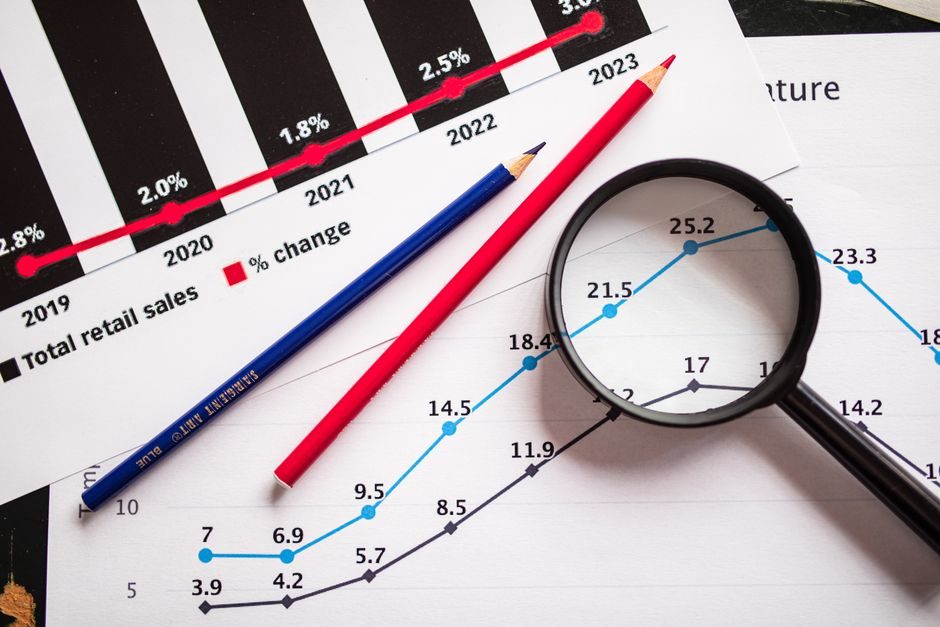
Budget-first retirement view
A practical plan starts with the basics: your monthly budget, current savings, and a realistic withdrawal rate. Use conservative assumptions for investment returns and life expectancy to avoid overconfident plans. Align spending goals with how you actually live today, not an idealized future.
Next, map savings gaps and address them with automatic transfers to retirement accounts. Small, steady contributions compound over time and reduce the need for dramatic future cuts. Consider delaying Social Security strategically if it improves lifetime benefits.
Finally, stress-test your plan against market downturns and unexpected costs. A simple rule of thumb is to keep a cash buffer and diversify investments to reduce risk. This keeps your retirement plan resilient without needing dramatic shifts.
- Set a realistic withdrawal rate
- Automate retirement contributions
- Stress-test against downturns
- Keep a cash buffer for emergencies
Small-business finance basics
Cash flow clarity
For a small business, cash flow clarity beats optimism. Track every inflow and outflow, and forecast the next 90 days with conservative assumptions. A simple spreadsheet can reveal timing gaps that lead to borrowing or late payments.
- Monitor daily cash balance
- Forecast 90 days ahead with caution
- Maintain a small cash reserve
- Invoice promptly and follow up on late payments
- Keep a minimum cash cushion for 30–60 days of expenses
- Separate personal and business finances
- Review vendor terms and try to negotiate better payables
Crisis readiness for households

Building financial resilience
Crisis readiness starts with a plan that covers income shocks, medical bills, and emergency expenses. Create a household emergency fund aimed at three to six months of essential costs. Separate this fund from everyday spending so it isn’t accidentally tapped.
Next, organize documents and passwords to speed up access to funds and services during stress. Use a simple, secure system for medical information, insurance policies, and bank accounts. Consider a basic will or beneficiary review to prevent confusion later.
Finally, practice a two-step recovery plan: cut nonessential costs quickly and access available aid programs when needed. A structured approach keeps a household afloat without waiting for a major event to force tough choices.
- Set aside an emergency fund
- Organize financial documents
- Review insurance and beneficiaries
- Create a simple two-step recovery plan
Frequently asked questions
How should I start building an emergency fund?Begin with a small, automatic weekly transfer to a high-liquidity savings account. Aim to cover three months of essential expenses and increase gradually as your income allows. Track progress with a simple worksheet and adjust as costs change.
What is a realistic retirement withdrawal rate for a modest plan?A practical approach uses a cautious withdrawal pace tied to your spending needs. Start with a modest percentage of your portfolio and adjust for inflation, lifespan, and market conditions. Avoid aggressive assumptions that require steep growth to stay solvent.
How can I improve cash flow for a small business quickly?Tighten receivables with clear invoicing timelines and follow-ups, manage vendor terms, and keep a cash reserve for 60 days of expenses. Regularly review spending and renegotiate services or prices when possible.
Are there risks in delaying Social Security?Delaying can increase monthly benefits, but only if you have longevity to justify it and a stable income in the meantime. Weigh current needs against potential future gains and consider income sources to cover gaps.
Final practical steps
Takeaway: Start with a clean financial picture—clear records, a simple budget, and one automated saving action.
Next, set concrete targets for the quarter, then reassess and adjust as needed to keep money working for you.
Add Forex & Stock Market News as a preferred source on Google


