
How to promote your event: a finance-minded guide for readers
A practical, finance-focused guide to promoting events. Learn basics, steps, and options to reach audiences while protecting budgets and returns.

Promoting an event isn’t just about visibility; it’s about aligning outreach with your financial plan. Start by defining clear objectives, then map outreach to expected returns and risk. This guide translates generic promotion advice into budgeting, timing, and channel choices suitable for readers managing money and resources.
Think in terms of costs, benefits, and guardrails. You’ll learn how to estimate impact, choose reliable channels, and measure results without overspending. The aim is to make promotion decisions that support cash flow and long-term financial health.
By the end, you’ll have actionable steps to promote your event that suit a finance-minded reader: practical timelines, budget-aware channels, and ways to track performance for real financial payoff.
- Budget-friendly event promotion tailored for finance readers.
- Use owned channels first, then tested paid options.
- Track ROI with simple metrics and adjust quickly.
- Avoid overpromising and manage costs with a clear plan.
Foundations of promotion
Define goals and budget
Start with a clear objective for the event and tie it to a budget. Specify expected attendance, revenue, or awareness goals so you can judge success later. Break down the budget into fixed and variable costs to avoid overspending. L1: promote your event in Liverpool
- ☐ List all costs: venue, marketing, staff, payments.
- ☐ Assign owner for each line item to ensure accountability.
- ☐ Set a max total amount you’re willing to risk and track against it.
Determine what success looks like for your finance plan: a minimum return on investment, a breakeven point, or a targeted profit. Use these targets to guide channel choices and pacing.
Keep a simple plan with milestones and responsible owners. This prevents scope creep and helps you reallocate funds quickly if results lag.
- Set a specific attendee target
- Assign a budget cap to each channel
- Define a simple tracking method
- Plan check-ins before the event
- Reserve a buffer for overages
Audience and channels
Identify who benefits most from the event and where they show up. That focus keeps messaging tight and reduces wasteful spend. Use free or low-cost channels first, then scale with results.
Choose channels that align with risk and return: organic posts, email lists, local business networks, and community groups. Reserve paid options for proven, high-potential audiences.
Keep messages simple and measurable: one clear offer, one call to action, and a method to track response.
- Profile your typical attendee
- Test small bets in familiar channels
- Track response by source
- Aim for one clear offer per channel
- Use email and local communities as core channels
Timing and sequencing

Logistics and payback
Plan launch timing to align with funding cycles or sales calendars. A staggered approach helps manage cash flow and avoids peak spending. A useful resource on this topic: Liverpool Daily headlines.
- Create a timeline with milestones.
- Assign owners and due dates.
- Review budget at each milestone.
- Prepare a contingency plan.
Schedule promotional pushes so each wave has a purpose: awareness, consideration, last-minute registrations. This keeps momentum without burning through the budget.
Create a simple content calendar that links messages to specific dates and metrics.
- Stagger promotions to manage cash flow
- Match promotions to financial milestones
- Use initial tests to refine later pushes
- Keep a fixed cadence for reliability
Measurement and adjustments
Establish a straightforward set of metrics that fit the goals. Track cost per lead, cost per registration, and overall ROI. This keeps promotions financially legible.
Review results weekly and adapt: pause underperforming channels, reallocate spend to better performers, and refine messaging.
Document lessons for future events to avoid repeated mistakes.
- Use simple KPIs aligned with goals
- Adjust spend based on performance
- Capture lessons for next event
- Maintain a running ROI view
Promotional options and formats
Organic and owned channels
Leverage your own platforms first: website events page, email newsletter, and social profiles. These have the lowest marginal cost and best control over messaging. A useful resource on this topic: get your business listed in Liverpool.
Create timely content that can be repurposed: event previews, FAQs, and post-event summaries. Consistency builds trust and a durable audience base.
Encourage word-of-mouth through referral incentives or exclusive attendee updates.
- Optimize event page for conversions
- Build an email drip around the event
- Post consistently across owned channels
- Offer a simple referral incentive
| Option | Cost efficiency | ROI potential |
|---|---|---|
| Organic/owned | High | Moderate to high when content resonates |
| Paid ads | Variable | Depends on optimization and audience |
| Partnerships | Medium | Can extend reach with shared costs |
Paid options and partnerships
Consider targeted ads with strict caps to test ROI before scaling. Start with a small daily budget and tighten as data comes in.
Partner with local groups or businesses relevant to the event. Co-promotions often expand reach without doubling costs.
Track results by source and creative to refine future spend.
- Set a low initial ad budget
- Choose relevant partners with shared audiences
- Test multiple creatives
- Measure by source and outcome
If doubts arise, adjust the messaging early rather than after registrations spike.
Common pitfalls and guardrails

Overpromising and underdelivering
Avoid promises you can’t keep. Overstating outcomes leads to refunds, bad reviews, and damaged credibility. Be precise about what attendees gain. A useful resource on this topic: second-hand items for sale in Liverpool.
- List the core benefits clearly.
- Align promises with actual capabilities.
- Plan for contingencies in content and timing.
- Monitor feedback and adjust promptly.
Set expectations in all communications and deliver on them. If doubts arise, adjust the messaging early rather than after registrations spike.
Balance ambition with realism to protect your brand and finances.
- Be honest about benefits
- Avoid hype in offers
- Under-promise, over-deliver where possible
Budget creep and scope drift
Uncontrolled expenses erode margins quickly. Track every line item and compare against the plan at regular intervals.
Use procurement rules: required approvals for new costs, and a clear process to expand the budget if needed.
Maintain a documented plan so changes are deliberate and transparent.
- Track every expense
- Require approvals for changes
- Keep a living budget
- Document all changes openly
Measuring success with finance in mind
Defining clear goals for promotion
Set specific, measurable goals before you start promoting. Tie each goal to financial outcomes like cost per attendee, projected revenue, or return on investment. Use past data to set realistic targets and adjust as the campaign unfolds. place an obituary in Liverpool
Track progress with simple metrics such as attendance, ticket revenue, and sponsorship value. Keep the dataset small and timely so you can react quickly to underperforming channels. This keeps spending aligned with the payoff.
Align your messaging with the buyer’s journey—awareness, consideration, decision—and map each stage to a budget item, from creative work to ad spend. This discipline reduces waste and helps justify future promotions.
- Define one primary financial goal per promotion
- Estimate ROI before launching campaigns
- Review results weekly and reallocate funds
- Document lessons for future events
- Avoid broad, unmeasurable targets
Ethical promotions and transparency

Clear disclosures and honesty in ads
Explain what attendees get for their ticket price and avoid hidden fees. Clear disclosures build trust with potential sponsors and attendees alike. Honest advertising reduces complaints and post-event refunds.
Provide transparent sponsor disclosures and avoid misrepresentation, making sponsorship benefits explicit. This protects your reputation and helps attract long-term partners.
Use straightforward language in all communications, avoiding hype or fear-based pitches. Plain, direct messages perform better and reduce churn among cost-conscious readers.
- Disclose sponsor relationships
- State ticket what’s included
- Show any limitations upfront
- Maintain consistent messaging
- Avoid exaggerated claims
Scaling your event promotions
Expanding reach without exploding budget
Start with a small, testable promotion and scale only when it shows signals of success. Small tests reduce risk and help you learn which channels perform best for your audience. Use learnings to justify larger ad spends or new partnerships.
Diversify formats to find what resonates, such as email updates, social posts, and local partnerships. Different formats reach different segments without overspending on a single channel. Keep a tight cadence so you don’t overwhelm potential attendees.
Automate repetitive tasks where possible and redeploy staff to higher-impact work as campaigns grow. Automation frees time for smarter budget decisions and creative optimization.
- Run 2-3 small pilot promotions
- Use outcomes to guide larger investments
- Mix channels to spread risk
- Schedule regular check-ins during scaling
- Keep creative fresh and tested
Promoting in Liverpool without overspending
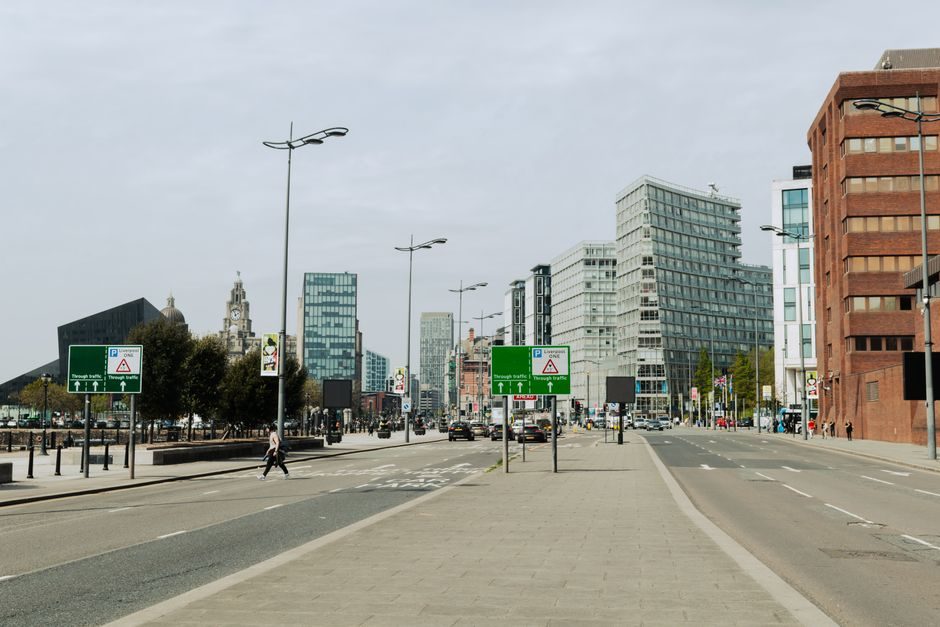
Local tone, national reach balance
Local events benefit from community feel and credible local partners. Pair that with national channels to amplify awareness without overpaying for broad reach. The balance reduces waste and keeps costs predictable.
Collaborate with local venues, clubs, and business associations to access shared audiences at lower costs. These partnerships can yield co-branded promotions that carry more trust than generic ads.
Monitor price leakage and expiration dates on local offers to avoid wasted spend. Track which partners drive real ticket sales and prune underperforming relationships.
- Engage neighborhood media
- Leverage community groups
- Offer cross-promotions with local businesses
- Plan time-bound, affordable campaigns
- Track cost per lead by channel
Frequently asked questions
What is the quickest way to start promoting an event on a tight budget?Begin with a small, targeted test across two channels, set a metric like cost per attendee, and use results to decide whether to expand. Keep creative simple and reuse assets to save time and money.
How can I measure return on investment for promotions?Track total ticket revenue, sponsorships, and cost of promotions. Compare gains to the amount spent, then adjust future campaigns to improve the ratio. Use a baseline from similar past events if available.
What should I avoid when promoting locally?Avoid overreliance on one channel, ignore local partner value, and neglect clear disclosures. Spread spend, verify partner impact, and maintain transparent messaging.
Is Liverpool a good market for a local event?Local markets often value community credibility and partnerships. If your audience includes residents or frequent visitors, align your messaging with local priorities and leverage area networks for cost-efficient reach.
Conclusion
Takeaways include building a finance-minded promotion plan, testing costs against outcomes, and keeping messaging transparent. The practical step is to draft a two-page budget and a one-page promotion plan before you begin.
Then commit to regular review, reallocate spend as results come in, and document lessons for your next event to improve efficiency and outcomes.
Add Forex & Stock Market News as a preferred source on Google


