
Smart steps to use Rome news for personal finance clarity
Learn how Rome Notizie ultime notizie and related Italian information can sharpen budgeting, investing decisions, and risk awareness for readers planning in Rom

Readers often wonder how a foreign news hub can help their finances. This guide shows practical ways to use Rome Notizie ultime notizie and similar sources to improve budgeting, understand local markets, and spot risks before they affect your portfolio. You’ll find concrete steps you can apply today, whether you live in Italy or simply track the region.
The plan starts with reliable navigation: how to verify stories, how to translate headlines into actionable numbers, and how to separate noise from signals. You’ll learn to align news intake with your cash flow, debt management, and investment timeline, without overreacting to every flash headline.
Finally, this guide provides a framework for evaluating sources, building a routine, and incorporating Italy-focused information into a broader financial plan, so you stay informed without being overwhelmed.
- This guide shows how to use Rome Notizie ultime notizie and similar sources to strengthen budgeting, risk assessment, and investment planning.
- Verify data, translate headlines into numbers, and build a routine that ties news to decisions.
- Use a structured approach to avoid overreaction and mispricing when Italian news moves markets.
- A practical plan helps you stay informed without increasing uncertainty or bias.
Basics of financial news in a foreign market
Understanding local reporting
Start with the big picture: local reports frame earnings, policy changes, and consumer sentiment. Compare several outlets to identify bias and pattern shifts. This helps you calibrate expectations about Rome-based companies and currency moves. Rome Notizie ultime notizie
- Local reporting informs domestic budgeting and risk assessment
- Always seek underlying data before reacting to headlines
- Create a simple watchlist of Rome-market signals
Look for data rather than anecdotes. Charts on local inflation, consumer prices, and wage trends translate into budget adjustments. If a headline seems dramatic, seek the underlying numbers before reacting.
Use a calendar of events that matter for finance—quarterly results, central bank speeches, or regulatory changes. This makes it easier to plan ahead rather than chase headlines.
- Track two or three Rome-focused outlets for a balanced view
- Note any recurring themes that affect consumer spending
- Record date-sensitive items to reassess later
- Avoid sensational headlines without data
Using Rome news for planning
Translate daily news into actionable steps for your budget and investments. If a report hints at rising prices, adjust your expense plan or savings rate. If a policy change affects taxes, revisit your withholdings and goals.
Convert stories into a mini-model: impact, probability, and timing. This keeps you objective when markets wobble. Practice with a few scenarios to build confidence.
Keep a trailing journal of decisions tied to news outcomes. Review which moves helped or hurt your finances after a month.
How to verify credibility quickly

Spotting reliable signals
Develop a habit of cross-checking headlines with official data releases and central bank notices. If both corroborate, you gain confidence in the move.” A useful resource on this topic: promuovere il tuo evento a Roma.
- ☐ Identify primary data
- ☐ Cross-check with at least one official statement
- ☐ Delay major actions until confirmation
- ☐ Record sources for future reference
When sources disagree, give precedence to primary data and official statements. This reduces the risk of following rumors.
Set a two-step check: source credibility and data consistency. If either fails, pause decisions until you have verification.
- Cross-check with official statistics
- Favor primary sources over blogs
- Pause when data conflicts with narrative
Translating news into numbers
Turn headlines into quantitative impacts on your budget. A higher inflation report means higher costs for groceries or utilities, which may tighten discretionary spending.
Estimate effects on your investments by mapping news to risk categories: volatility, growth tilt, or defensive assets. Use small, test-sized adjustments.
Revisit your plan weekly when markets react and monthly for longer-term shifts. Keep a running spreadsheet of how news changes your targets.
- Convert headlines to budget changes
- Map news to asset risk categories
- Review plan regularly
Common pitfalls to avoid with foreign news
Overreacting to headlines
Headlines often oversimplify complex issues. A single story can skew perceptions and trigger sharp, incorrect moves in your portfolio. A useful resource on this topic: elenco attività commerciali a Roma.
- Reacting to headlines without data
- Chasing every market rumor
- Under- or over-allocating based on local news
Avoid making abrupt changes based on a sensational blip. Step back, verify, and test the impact of any action before execution.
Use a cooling-off period for new information: wait 24 hours and reassess with fresh data before adjusting your plan.
- Ignore quick emotional impulses
- Verify before acting
- Use a cooling-off period
| Option | Pros | Cons |
|---|---|---|
| Global index funds | Broad exposure, simple | Lower control over country-specific moves |
| Italian ETFs | Focused on local firms | Limited choices in some sectors |
| Direct stock picks | Potential outsized gains | Higher risk and research needs |
Ignoring currency and regional risk
Italian news can move currency expectations and cross-border costs. If you ignore this, you may misprice international expenses or investments.
Keep a small portion of your portfolio exposed to currency hedges or global funds to reduce translation risk. Evaluate costs and benefits.
Informed readers adjust their plans for currency shifts, not just stock picks. Track exchange rate trends alongside domestic news.
- Consider currency impact on costs
- Use hedged or global options where suitable
- Incorporate currency trends into budgeting
Use a consistent source mix so you’re not blindsided by a single outlet’s bias.
Benefits of a structured news routine

Creating a finance-friendly news habit
Set a brief daily briefing focused on one or two key metrics: inflation, policy, and market sentiment. This minimizes time while maximizing relevance to money decisions. A useful resource on this topic: oggetti usati a Roma.
Use a consistent source mix so you’re not blindsided by a single outlet’s bias. Prefer official data when it’s available.
Keep a notes system that ties each news item to a decision, forecast, or risk flag. This builds accountability and learning.
- Limit sources to maintain clarity
- Tie news to decisions
- Maintain a decision journal
Balancing local news with global context
National stories can mask global market realities. Balance Rome-focused reports with international data to avoid mispricing risks.
Compare domestic trends to global indicators such as commodity prices or tech earnings to form a balanced view.
This approach helps you spot where Italy diverges and where global trends drive your portfolio.
- Balance local with global data
- Compare multiple indicators
- Avoid tunnel vision
Impact of policy shifts on markets
Policy changes and market reactions
Policy shifts influence currency and equity moves by changing expectations for growth and inflation. Investors monitor central bank statements, budget plans, and regulatory tweaks to gauge risk. A concrete example is how new fiscal rules alter borrowing costs for multinational firms operating in Europe. necrologi a Roma is a specific phrase you mentioned as a reference point for local news relevance in Europe, so you can track how this topic resonates with market expectations and currency moves.
Markets respond to perceived credibility of policy makers, not just the policy itself. Traders price risk and adjust portfolios accordingly, often moving toward safer assets when policy signals become uncertain. Understanding this dynamic helps a personal investor time entries and exits more effectively.
- Watch central bank guidance for hints on rate paths
- Track budget announcements for sector exposure shifts
- Be prepared for short-term volatility after policy news
Cross-border investing with Rome data
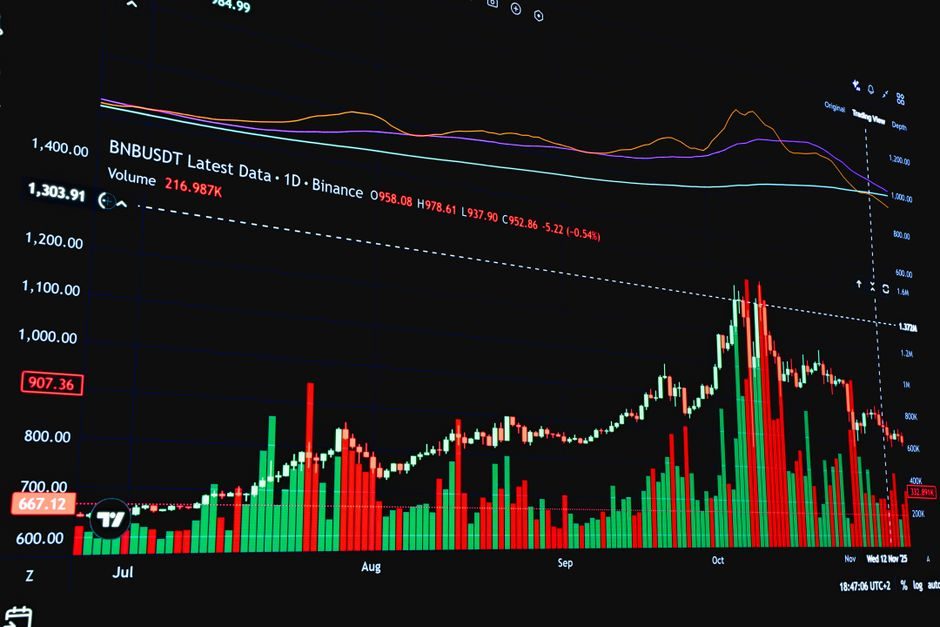
Using foreign market stats responsibly
Rome data can provide insights into European consumer trends, inflation shocks, and credit conditions that impact cross-border investments. Start with headline indicators, then drill into sector-specific numbers to identify ripple effects. For example, rising consumer prices in a nearby market may foreshadow consumer-related stock moves elsewhere.
Interpreting data requires context: monetary policy stance, fiscal stability, and the health of local banking. Compare Rome-based signals with other European indicators to separate temporary noise from lasting shifts. This approach helps you position international exposures more accurately.
These checks protect you from overreacting to single data releases. Build a small notebook of key metrics to watch monthly, such as consumer sentiment, loan standards, and industrial output. Use a disciplined routine so data informs decisions rather than drives emotions.
- Create a data calendar for monthly releases
- Compare Rome data with national indicators
- Focus on durable trends over one-off readings
Tech trends in European finance
Fintech adoption and risk controls
European fintech adoption is reshaping payment flows and credit access for small businesses. These platforms often offer faster settlement and better transparency for cross-border trades. Investors should assess technology risk alongside potential efficiency gains in financial services.
Security and compliance remain critical as tech use expands. Firms that prioritize data protection, fraud prevention, and regulatory reporting tend to maintain customer trust and avoid costly penalties. For a personal investor, this means favoring tech-enabled banks and brokers with solid governance.
Understand the limits of dashboards and models. Real-world data and user behavior can diverge from theoretical efficiency, so test assumptions with a simple, small-position approach before committing larger sums.
- Identify platforms with strong compliance track records
- Evaluate settlement speed and cost
- Assess user base growth and retention
Environment and financial risk
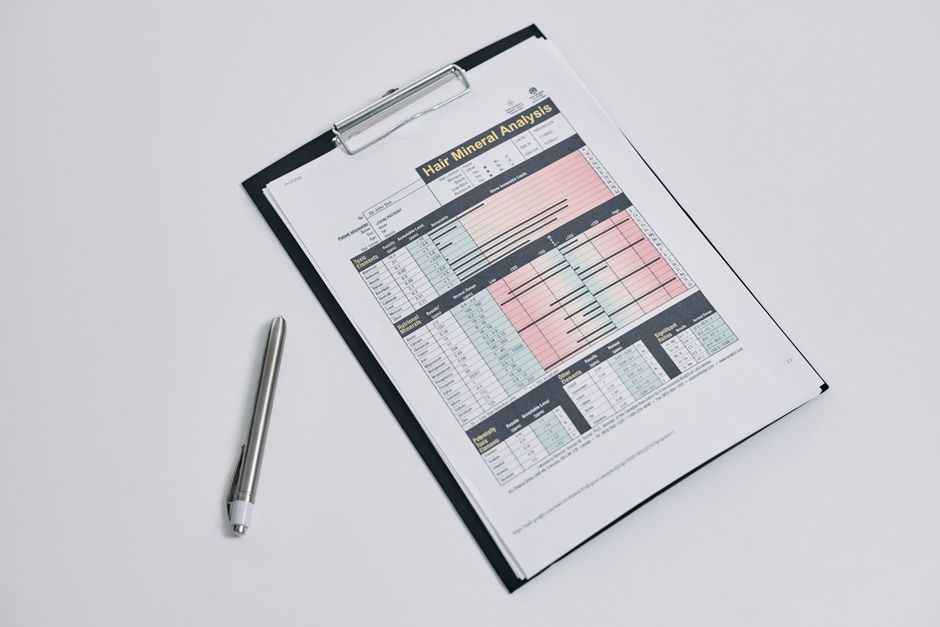
Climate risk and investment resilience
Climate risk is increasingly priced into portfolios through physical risk to assets and transition risk from policy shifts. Investors can hedge this by diversifying across regions with varied climate exposure and by favoring companies with credible resilience plans. Use scenario analysis to picture potential outcomes for your holdings.
Positioning for environmental risk means reviewing disclosures and governance. Firms with transparent climate targets and independent oversight are generally better at foreseeing disruptions and reallocating capital quickly. This matters for a broad set of assets, from equities to fixed income.
A practical step is to map your portfolio against regional climate threats and adjust concentration accordingly. You can simulate how a severe flood or drought might affect earnings and debt service in your holdings. Start with a quarterly stress test that includes energy, utilities, and consumer staples.
- Map assets to regional climate exposure
- Check for credible resilience plans
- Run simple climate stress tests
Frequently asked questions
How do I start using foreign data for investingBegin with a simple framework: collect, compare, and contextualize. Gather Rome data alongside domestic indicators, then ask whether a shift changes your risk or return expectations. A practical step is to track a small set of metrics each month and see how they relate to your portfolio.
What is the best method to verify credibilityVerify by cross-checking multiple independent sources and seeking corroboration from data releases. Look for consistency across time and alignment with policy signals. Favor outlets with transparent methodologies and track records rather than sensational headlines.
How can I avoid common mistakesAvoid overreacting to headline news. Context matters: pair a single release with longer-term trends and policy outlook. A measured response protects capital during volatility spikes.
How frequently should I review dataSet a fixed schedule, such as monthly, to review news and portfolio impact. This reduces the chance of reactive trading and keeps your plan intact during noisy periods.
Next steps for readers
Take the core habit of monitoring Rome-based data and pair it with your personal financial plan. Start with a monthly review and build toward a quarterly strategy check-in, linked to your risk tolerance and time horizon.
Use the two-tier approach to separate long-term investing from tactical moves. This keeps you prepared for shifts without overtrading and helps you stay aligned with goals.
Add Forex & Stock Market News as a preferred source on Google


