
A practical checklist for finance readers: London headlines impact
A clear, actionable guide for investors and savers on how London headlines can affect markets and personal finances, with practical steps and cautions.

Readers want concrete steps they can take when headlines move markets or alter sentiment. This guide provides a practical checklist you can apply before, during, and after major London-focused news events. It focuses on a calm, methodical approach to interpreting headlines for personal finance decisions.
London-headlines literacy helps you separate noise from signal and avoid rash moves. The following sections translate that skill into concrete actions for budgeting, investing, and risk management. You’ll learn when to act, when to wait, and how to verify information with trustworthy sources.
Use the checklist to build habits that protect wealth: verify the source, assess your exposure, and document decisions for future reference.
- This guide translates London headlines into actionable steps for personal finance.
- You learn to map exposure, set action thresholds, and verify sources before reacting.
- Discipline and routine help prevent costly knee-jerk moves when headlines shift market sentiment.
- The checklist ends with practical habits you can apply this week to stay budget-conscious and informed.
- Foundations for using headlines in finance
- How to interpret volatility from headlines
- Options for immediate responses
- Pitfalls to avoid in headline-driven moves
- Measuring impact on your portfolio
- Tools for news-driven decisions
- Building a resilient plan
- Case studies and practice
- Frequently asked questions
- Practical next steps
Foundations for using headlines in finance
Assess your exposure
Start by mapping your investments and liabilities to the headlines you read. Note which assets are sensitive to macro news, such as currencies, equity indices, and interest-rate expectations. This helps you avoid overreacting to a single story and keeps your plan intact. Explore the London Headlines website
- Know your exposure before headlines move markets
- Use stress tests to gauge impact
- Verify sources to avoid reactionary moves
Hold an up-to-date risk assessment and stress-test different scenarios. If a London headlines shock could push your portfolio beyond a comfort zone, consider reducing leverage or diversifying across uncorrelated assets.
Evaluate the credibility of sources before action to prevent chasing rumors or unverified claims.
- Map assets to headlines sensitivity
- Run quick stress tests
- Check source credibility
How to interpret volatility from headlines
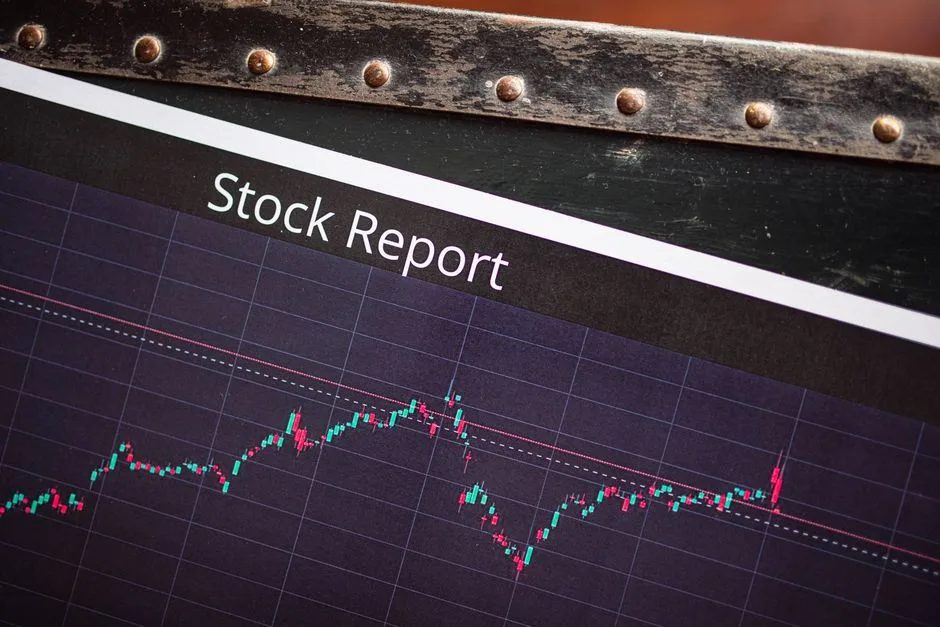
Read for the signal
Distinguish between temporary price moves and lasting shifts in fundamentals. London-centric news can influence currency moves, sector bets, and consumer sentiment. Look for corroborating details beyond the headline, such as policy cues or earnings context. A useful resource on this topic: News about London.
Set a threshold for action: if a headline changes your expected trajectory by a small but persistent amount, pause and reassess.
Document the reason for any trade or shift to avoid hindsight bias when the move reverses.
- Differentiate signal from noise
- Use a predefined action threshold
- Record rationale for decisions
Options for immediate responses
Take measured steps
If you must respond, keep it proportional to your plan. Small rebalancing, or a temporary hedge, can limit downside without overtrading. Focus on the long-term objective rather than chasing the latest headline. London Headlines politics coverage
Avoid overreacting to a single data point or rumor. Instead, align any move with your stated risk tolerance and investment horizon.
Revisit cash buffers to maintain liquidity for unexpected shifts in London-focused markets or costs related to headlines.
- Consider small rebalancing
- Use hedges sparingly
- Maintain liquidity
| Option | Pros | Cons |
|---|---|---|
| Immediate rebalance | Signals can lock in risk reduction | Costs and potential timing errors |
| Hedge temporarily | Limits downside | Requires precise sizing and monitoring |
| Do nothing | Preserves plan | Missed opportunity when move persists |
Headlines often summarize multiple factors, and a reaction may reflect broader global dynamics.
Pitfalls to avoid in headline-driven moves

Common traps
Do not assume causation from correlation. Headlines often summarize multiple factors, and a reaction may reflect broader global dynamics. Check if the London angle is the true driver or a convenience framing.
Beware confirmation bias: you’ll hear what confirms your prior view. Seek alternative interpretations and compare multiple outlets to validate impact.
Don’t ignore costs of frequent trading or mis-timed entries; fees and taxes can erode any short-term gains.
- Avoid causal leaps
- Seek multiple viewpoints
- Account for trading costs
Measuring impact on your portfolio
Quantifying headline effect on assets
What headlines do to prices varies by asset class and time horizon. Start by mapping headline sentiment to a potential move in equities, bonds, or currencies you hold. Use a simple test: if a headline aligns with your current positions, expect a muted, persistent reaction rather than a sudden spike.
Track price swings around headline releases to distinguish noise from a trend. For most positions, a one-day move is less informative than a series of days showing consistency. This helps you avoid reacting to every blip.
Compare headline-driven moves with your usual risk indicators, like stop levels or drawdown limits. If headlines consistently breach thresholds, you need a predefined response plan rather than an impulsive trade.
- Link headlines to your risk tolerance
- Watch longer timeframes for trend confirmation
- Avoid overtrading on single events
Tools for news-driven decisions

Choosing data sources that fit your strategy
Select sources that provide clear headlines and structured summaries. Favor those that offer context, timelines, and corroboration rather than sensationalist rewrites. Your investment plan benefits from consistency, not breadth.
- Set up a watchlist of headlines tied to your assets
- Create a shorthand for when you will check news
- Establish a time window to review headlines daily
- Document any decisions and outcomes
Cross-check headlines with earnings alerts, macro releases, and central bank signals. A headline confirms what your analysis already suggested, reducing the chance of acting on speculation.
Incorporate a simple heat map that marks headlines by volatility and relevance to your holdings. This helps you rapidly assess which stories deserve attention and which can be filed away.
bullets géndered list
Building a resilient plan
Creating rules that survive headlines
A reliable plan uses predefined actions for different headline outcomes. Define clear triggers for selling, hedging, or taking profits, so you don’t rely on memory in a market scare. This reduces stress and improves consistency.
- ☐ Predefine actions for major headlines
- ☐ Set limits for loss tolerance and drawdowns
- ☐ Schedule quarterly reviews of rules
- ☐ Document outcomes to learn from mistakes
Build a portfolio framework that emphasizes diversification alongside thoughtful hedges. If headlines swing a single sector, a balanced mix across assets can dampen impact and preserve capital.
Regularly stress-test your plan against varied headline scenarios and timing. Adjust your rules when results show persistent misalignment with your goals.
bullets []
box to be placed in second sub-section
Case studies and practice

Practice scenarios for headline moves
Use mock or paper trades to test how your plan would react to a set of headline outcomes. This builds muscle memory without risking real capital. Start with mild headlines and progress to more volatile stories.
Record the rationale behind each simulated decision and compare with actual market results. Look for patterns where your decisions succeeded or failed, then adjust.
Incorporate a brief after-action review to improve your rules and timing. Continuous practice yields steadier responses when real headlines arrive.
bullets []
box (to be included in first sub-section)
- Run three simulated sessions weekly
- Focus on one asset class per session
- Evaluate outcomes with a simple scorecard
- Iterate rules based on results
Frequently asked questions
How quickly should I react to a headline?Reacting too fast often leads to trades that your longer-term plan would deem inappropriate. Use predefined triggers and wait for the first confirmation signal from your broader analysis. If momentum persists beyond the initial move, consider adjusting your position in measured steps.
What kinds of headlines matter most for portfolios?Headlines that affect policy expectations, inflation views, or earnings signals tend to move markets more than generic headlines. Focus on those with clear implications for the assets you hold and on whether the move is likely to be sustained or temporary.
Should I ignore headlines altogether?Not. Headlines can provide useful context, but rely on your plan, not impulse. Treat headlines as inputs to your framework, not the sole trigger for action. If a headline contradicts your risk limits, stay disciplined and defer until your rules indicate a course.
How often should I review my news-driven strategy?Schedule a quarterly review of how headlines affected your portfolio. Include a quick pass after major market events to update rules. Regular checks prevent drift and keep your plan aligned with changing market conditions.
Practical next steps
Take ten minutes to map your current headlines-readiness: data sources, triggers, and time windows. This snapshot helps you identify gaps in your plan. Prioritize fixes that reduce overreaction and improve consistency.
Schedule a one-page, rule-based playbook for headline events, then test it in a practice session. The aim is a repeatable, disciplined response that you can execute without hesitation. After testing, implement the changes in your live plan and monitor outcomes.
For more insights on this topic, you might find Londra Başlıklarını Gizlice Muhasebe ile Karşılaştırma particularly informative.
You may also find Finansal seçimleri netleştiren gerçekçe bir karşılaştırma: helpful as it covers related aspects of this subject.
For a deeper understanding of this topic, London headlines i finansøjemed: Sådan bruges offers valuable insights worth exploring.
Add Forex & Stock Market News as a preferred source on Google


