US CPI Inflation: Potential Impact on Rate Cut Decision
US consumer price index (CPI) inflation data is anxiously awaited this week, with analysts predicting a slight uptick that could influence the Federal Reserve’s rate cut decision in December. The figures, set to be released on Wednesday at 13:30 GMT, are expected to show a rise in monthly CPI inflation from 0.2% to 0.3%, potentially pushing the annual rate up to 2.7% from 2.6% previously. The core CPI, which excludes volatile food and energy prices, is forecasted to remain steady at 0.3% month-over-month and 3.3% year-over-year.
Could this inflationary development derail expectations of a rate cut next month? If inflation proves to be more persistent than anticipated, particularly in key sectors like housing and shelter, it could dampen hopes for an immediate rate reduction. This scenario might prompt the Fed to hold off on cutting rates, especially given recent reassurances from President Donald Trump that Fed Chair Jay Powell’s position is secure. The Fed may feel less pressure to rush into rate cuts if inflation remains elevated above the 2.0% target.
However, despite inflation concerns, there remains a strong case for a rate cut in December. Uncertainties surrounding Trump’s fiscal policies, including tax cuts and import tariffs, could potentially fuel inflationary pressures, necessitating preemptive rate cuts to mitigate economic risks. This ongoing uncertainty could continue to weigh on economic growth, prompting the Fed to act decisively before external factors further complicate the situation.
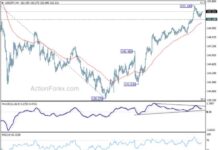
Market reactions to the CPI data could be significant, with futures markets currently pricing in an 85% probability of a 25bps rate cut in December. A negative surprise in the inflation figures could lead to a moderate decline in the US dollar, potentially pushing USDJPY towards key support levels. On the other hand, if inflation outpaces expectations, the greenback could strengthen against the yen, possibly breaking through key resistance levels.
In light of the potential market implications of the CPI data, investors and traders are closely monitoring the upcoming release to gauge the Fed’s next move in response to inflation trends. The outcome of this week’s data could have far-reaching consequences for monetary policy decisions and market sentiment in the coming weeks.
As we anticipate the release of the US CPI inflation data, it’s essential to stay informed and prepared for possible market shifts based on the outcome. Whether you’re a seasoned investor or a novice trader, understanding the implications of inflation on rate cut decisions can help you navigate the financial landscape with greater confidence and clarity. Keep a close eye on the CPI figures and be ready to adapt your investment strategy based on the latest developments in the market.
Remember, staying informed and proactive is key to successful financial decision-making in today’s dynamic and ever-changing economic environment. Stay tuned for updates on the US CPI data release and its potential impact on the rate cut decision.