The Importance of Financial Wellness
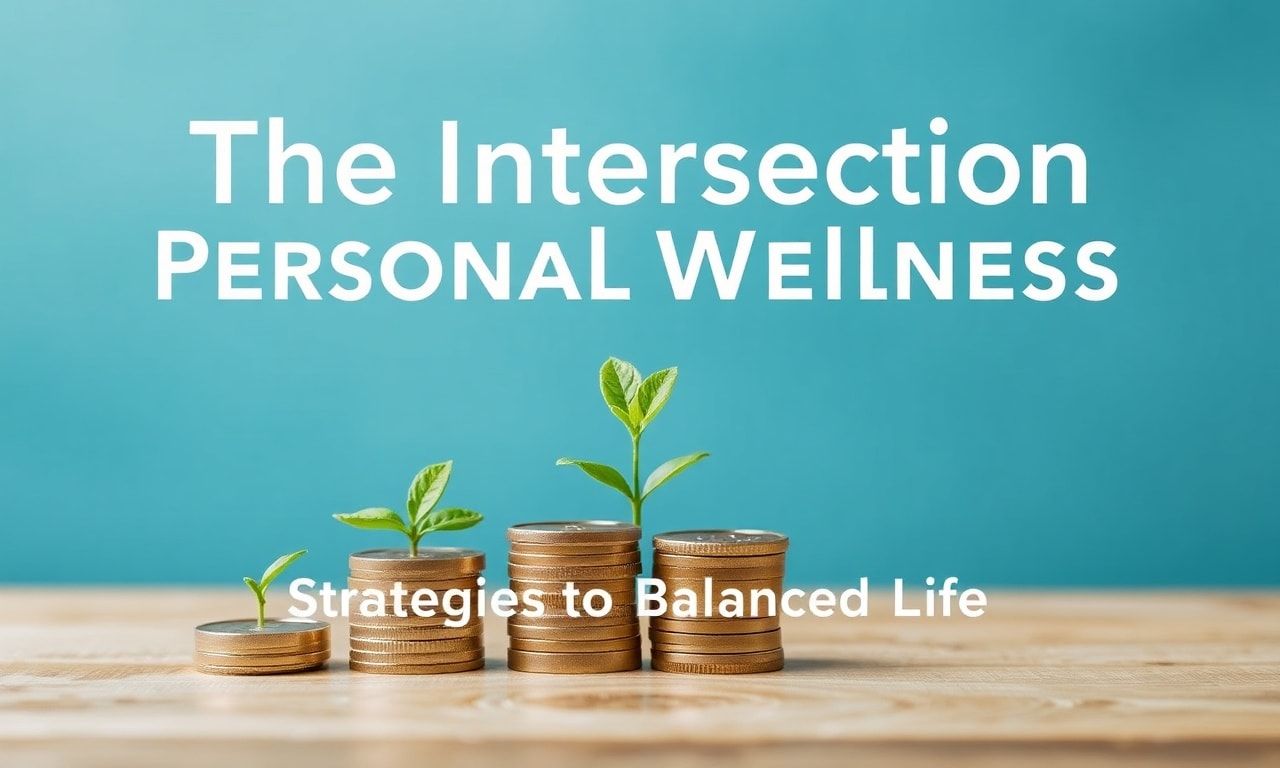
In today’s fast-paced world, maintaining both personal wellness and financial health is crucial. Financial wellness refers to the process of learning how to manage your money, as well as your financial future, to promote overall well-being. It’s not just about how much money you make, but how you manage it. Financial wellness can reduce stress, improve mental health, and even positively impact physical health. In this article, we’ll explore the connection between financial health and personal wellness, and provide actionable advice to help you achieve both.
Understanding Financial Health
Financial health is about having control over your day-to-day and month-to-month finances, being prepared for unexpected events, and planning for the future. It involves several key aspects:
- Budgeting: Creating and sticking to a budget is the foundation of financial health. It helps you understand your income and expenses, and ensures you’re living within your means.
- Saving: Regularly setting aside money for short-term goals (like an emergency fund) and long-term goals (like retirement) is crucial.
- Debt Management: Managing debt effectively can prevent it from becoming overwhelming and negatively impacting your financial health.
- Investing: Growing your wealth through investing can help you achieve your long-term financial goals.
Personal Wellness and Financial Health
Personal wellness and financial health are interconnected. Financial stress can lead to sleep issues, depression, and other health problems. Conversely, poor physical health can lead to financial strain due to medical bills and lost income. Therefore, it’s essential to take care of both your physical and financial health. Here are some strategies to help you achieve a balanced life:
Practice Self-Care
Self-care isn’t just about pampering yourself; it’s about taking care of your physical, mental, and emotional health. Regular exercise, a healthy diet, and adequate sleep can improve your overall well-being and reduce stress. You can also incorporate relaxation techniques like meditation or yoga into your routine. For instance, exploring asian massage tips for better immunity can be a great way to relax and boost your immune system. Remember, taking care of yourself is an investment in your long-term health and happiness.
Create a Financial Plan
Having a financial plan can provide a roadmap for achieving your financial goals and reduce financial stress. Start by setting clear, achievable goals. Then, create a budget that aligns with these goals. Make sure to include savings and investments in your budget. Regularly review and adjust your plan as needed. If you’re unsure where to start, consider consulting with a financial advisor.
Automate Your Finances
Automating your finances can help you stay on track with your financial plan. Set up automatic transfers to your savings and investment accounts. Automate bill payments to avoid late fees and penalties. This can help you manage your money more effectively and reduce financial stress.
Build an Emergency Fund
An emergency fund can provide a financial safety net in case of unexpected events, such as job loss, medical emergencies, or home repairs. Aim to save at least 3-6 months’ worth of living expenses. Keep your emergency fund in a readily accessible, high-yield savings account. Having an emergency fund can provide peace of mind and reduce financial stress.
Investing in Your Future
Investing is a crucial part of financial health. It allows you to grow your wealth and achieve your long-term financial goals, such as retirement. Here are some investment options to consider:
- Retirement Accounts: Contribute to retirement accounts like 401(k)s or IRAs. These accounts offer tax advantages and can help you save for retirement.
- Stocks and Bonds: Investing in stocks and bonds can provide higher returns but come with more risk. Diversify your portfolio to spread risk.
- Real Estate: Investing in real estate can provide passive income and potential appreciation. However, it requires more time and effort than other investment options.
- Cryptocurrency: Cryptocurrency is a relatively new and volatile investment option. Do thorough research before investing in cryptocurrency.
Conclusion
Maintaining both personal wellness and financial health is essential for a balanced life. By practicing self-care, creating a financial plan, automating your finances, building an emergency fund, and investing wisely, you can achieve both. Remember, financial health is a journey, not a destination. Regularly review and adjust your plan as needed. And don’t forget to take care of your physical and mental health along the way. After all, your health is your greatest wealth.
To enhance your financial acumen and make informed decisions, explore key strategies for financial success tailored to Bangladesh’s dynamic market.
As you diversify your investment portfolio, consider exploring unique assets like smart yachting, which blend leisure with cutting-edge technology; delve into luxury meets innovation today to understand this emerging market.
As the world of work evolves, so do the tools and strategies we use to learn about personal finance and investing. Check out remote learning essentials to stay ahead in your financial education journey.