
What Is the Love Sign In Hinge and Why It Matters Financially
Explains the meaning of the Hinge Love Sign In Code, how it can affect dating on a budget, and practical steps to manage online dating costs and risk.

When people ask what the love sign in Hinge means, the answer is simple: it is a way the app indicates interest or profile status, not a financial instrument. Understanding how dating apps work helps you budget time and money, and avoid costly missteps. This article frames that feature in terms of financial awareness, personal safety, and practical planning for single readers.
It also shows how sign-in flows and prompts affect your online behavior, including how you manage subscriptions, temporary boosts, and paid matches. Knowing what signals the app uses helps you set limits and guardrails for your dating budget. The goal is to give clear steps you can take to stay financially organized while exploring connections.
- Hinge Sign In Code signals login status within the app, which helps manage access and security. Understanding these signals helps you set limits on time and money spent on dating.
- Many prompts influence how you engage, so set a personal budget for subscriptions and be deliberate about upgrades. Use free features first before paying.
- Consider payment paths and trial periods as part of a broader budgeting plan. Start with one feature, test it, and cancel if it lacks value.
- Avoid common pitfalls like over-committing to subscriptions and sharing sensitive financial details in chats. Stay vigilant about privacy and data risk.
Basics and signals
What the sign means
The Hinge Sign In Code is a behind-the-scenes signal that confirms your login status within the app. It helps the system track sessions and prevent unauthorized access. For you, this means recognizing when you are properly signed in to view matches and messages. Treat it as a technical cue, not a dating verdict.
- ☐ Confirm you are signed in before browsing
- ☐ Enable two-factor authentication
- ☐ Review device list for unfamiliar entries
- ☐ Log out after use on shared devices
You should know when you are logged in on a public or shared device to avoid accidental exposure of your profile. If you see login prompts repeatedly, check your account activity and update your password. These steps protect your data and prevent unexpected charges from stale sessions.
- Always sign out on shared devices
- Use two-factor authentication
- Avoid saving passwords on public computers
- Check for suspicious login alerts
- Monitor account activity
Why it matters financially
Dating apps shape how you spend money in the short term and long term. Subscriptions, boosts, and premium features can quickly add up if you’re not mindful. Understanding the sign-in and notification flow helps you avoid paying for features you won’t use.
If you routinely log in from several devices, you may end up paying for multiple premium memberships or renewals. Treat each signup as a deliberate choice, not a default action. Set a monthly cap on dating expenses to maintain financial control.
- Track annual versus monthly costs
- Cancel unused plans promptly
- Use free features before upgrading
- Set reminders for renewals
- Avoid auto-renew traps
How signals influence behavior
Reading prompts and expectations
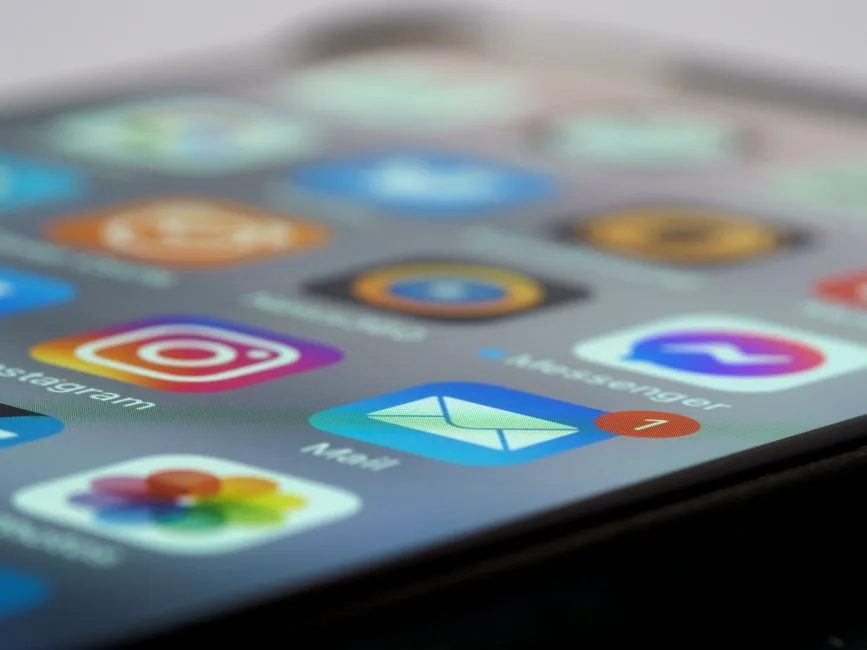
Push notifications from Hinge can nudge you to interact more often than you expect. This can raise time costs, especially if you chase matches late at night. Recognize these prompts as behavioral cues, not guarantees of a payoff.
- The signal you see is designed to keep you engaged, not to determine love outcomes.
- Healthy use is measured by time and relevance, not number of matches.
Set a daily time budget for app use and treat matches as potential conversations, not commitments. This helps you maintain a balanced routine and protect sleep and productivity. Clear expectations reduce impulse spending on paid features.
If you feel pressured to respond quickly, pause and assess the value of each interaction before replying. Slower, thoughtful responses often yield better-quality connections and fewer wasted messages.
- Limit daily notifications
- Pause when busy
- Respond with purpose, not haste
- Prioritize meaningful conversations
- Avoid rushed boosts
Costs tied to engagement
Engagement costs rise when you chase endless matches or premium features to boost visibility. The cost per interaction can feel small, but it adds up across a month. Plan your engagement like a small business budget, with a clear ceiling.
Use free options first and evaluate the marginal benefit of paid features. If a month shows little return on investment, step back and reallocate funds to essentials such as emergency savings or debt repayment.
Track outcomes, not vanity metrics. If you are not meeting better opportunities, adjust your strategy instead of piling on spend.
- Set monthly cap on boosts
- Track costs by feature
- Evaluate ROI of premium tools
- Reassess strategy monthly
Platforms and payment paths
Free vs paid tiers
Free tiers can handle basic browsing and messaging, but paid tiers speed up results. The choice depends on your dating goals, not the hype. If you date casually, free features may suffice.
Paid options offer boosts, unlimited swipes, or priority visibility. Consider whether the incremental benefit justifies the monthly cost. Start with a single feature trial and measure its value over two weeks.
If you rely on careful budgeting, compare the feature set against your financial plan before subscribing. A temporary upgrade that fails to deliver can become a sunk cost.
- Try a single paid feature first
- Set a trial period
- Cancel if no value is found
- Use free features to test compatibility
- Avoid auto-renewals
| Option | Benefit | Caution |
|---|---|---|
| Free browsing | No cost upfront | Limited features and visibility |
| Single paid feature | Faster results | Ongoing cost after trial |
| Full premium | Best visibility | Highest ongoing cost |
Alternative payment habits
Some users skip subscriptions and still achieve results with careful time management and higher-quality conversations. Others may use gift cards or budgeted limits to control spending. The key is to align dating costs with broader financial goals.
Keep receipts or prompts for any paid trial, so you know what is actually spent versus perceived value. If you pay with a credit card, review the monthly statement for recurring charges and dispute any unrecognized entries.
Consider whether your dating budget should be in a separate category to avoid cross-spending on entertainment.
- Use budget envelopes for dating
- Monitor statements regularly
- Dispute unrecognized charges promptly
- Keep a separate dating fund
Set a personal rule to keep only one active paid plan at a time.
Common pitfalls

Overcommitting to subscriptions
Too many renewals can drain your budget without delivering proportional value. Set a personal rule to keep only one active paid plan at a time. Re-evaluate after a short trial to confirm ongoing value.
If you notice spending creeping up, pause all renewals and reassess your goals. Track the time you actually use each feature and compare it with your spending.
Never assume more features equal better outcomes; measure satisfaction by conversations and quality matches, not quantity.
- Limit active subscriptions
- Schedule renewal reviews
- Prioritize quality over quantity
- Measure outcomes over impressions
- Cancel unused trials
Privacy and data risks
Dating apps collect data that can be linked to financial risk if exposed. Protect sensitive information and avoid sharing financial details in chats. Use in-app messaging rather than external links to reduce risk.
Enable privacy settings and review who can message you. A cautious approach lowers the chance of scams, phishing, or data leaks that could impact financial security.
If you ever feel compromised, contact support and consider freezing accounts where available.
- Limit personal data exposure
- Use in-app links only
- Enable strict privacy controls
- Report suspicious activity
- Consider account freezes if needed
Billing and renewal strategies
Understanding renewal timing
Once you sign up for any dating-related platform or service tied to a social app, note how renewal dates align with your budgeting cycle. Set reminders a few days before charges to reassess value and usage. This keeps spending predictable and prevents surprise declines in cash flow.
If you automate renewals, review whether you actually benefit from the ongoing service. A quarterly pause can align with fluctuating income, giving you time to evaluate whether the platform helps your broader financial goals. Consider alternatives if engagement drops.
Keep a log of renewal costs and any discounts you use. Simple notes help you compare plans over time and avoid paying for features you rarely use.
- Track renewal dates
- Assess value vs cost
- Use reminders before charges
- Compare plans periodically
- Document discounts
Security and privacy safeguards
Protecting personal data
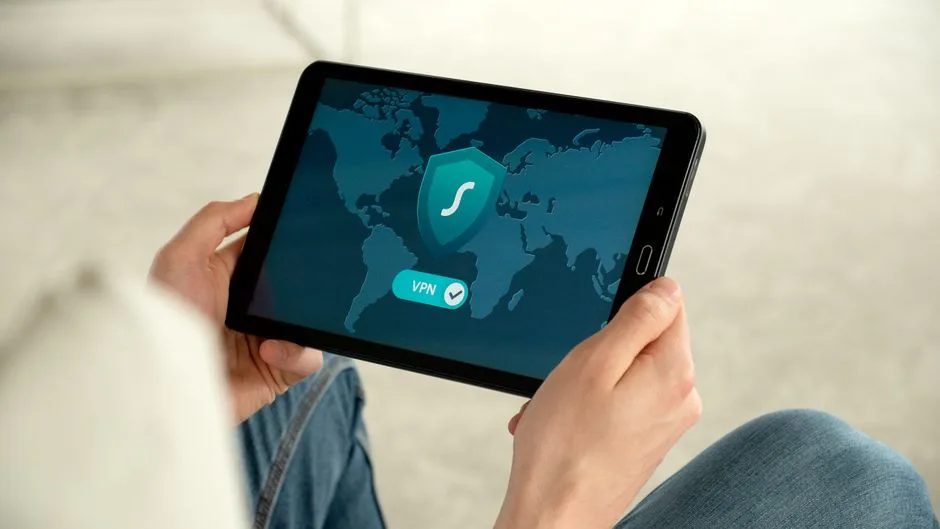
Your primary goal is to shield financial and contact information from exposure. Use strong, unique passwords for each service and enable two-factor authentication where offered. This reduces risk if a dating platform is breached or data is leaked.
- Using the same password everywhere — use unique ones
- Clicking unfamiliar links in messages — verify source
- Sharing payment details in chats — only through secure, official channels
Be mindful of what you share in profiles and chats; limit financial details or payment methods to official, secure channels. A cautious approach protects you from phishing attempts and identity theft that could impact your credit.
Regularly review connected apps and permissions to ensure only trustworthy integrations stay active. Deleting unused connections minimizes risk and helps maintain control over your digital footprint.
- Use strong passwords
- Enable two-factor authentication
- Limit payment exposure
- Review connected apps
- Be cautious with sharing
Social dynamics and money
Money talk cadence on dating apps
Discussing finances early can prevent awkward matches later, but it requires tact. Consider neutral topics like budgeting or saving goals before moving to money specifics. This sets expectations without sounding transactional.
Observe how partners frame money: generous, independent, or cautious tendencies reveal alignment with your values. Use those signals to decide whether to invest time or money in a potential relationship.
Keep money conversations channelled through clear boundaries. Propose a shared approach for dating costs or split plans that fit both incomes and goals, avoiding resentment.
- Assess money talk timing
- Interpret money signals
- Set boundaries
- Propose fair cost-sharing
- Avoid resentment
Putting it all together for your finances

Integrating dating costs into your budget
Dating expenses can accumulate quietly, from meals to event tickets. Add a separate line item for dating costs to your monthly budget and track actuals against the plan. This keeps romance spending from disrupting essential savings goals.
If a relationship becomes long-term, reassess your budget with shared goals like travel or housing plans. A joint plan reduces friction and clarifies where money should shift.
Use a conservative approach: assume costs will rise modestly and build a cushion. That tolerance helps you stay on track when life gets busy.
- Create a dating budget line item
- Track actual vs plan
- Reassess with relationship milestones
- Build a small spending cushion
- Plan for shared goals
Frequently asked questions
What is the love sign in Hinge in simple terms?The phrase you’re asking about generally refers to signals or cues in dating apps that suggest serious interest or compatibility. On fintech-minded platforms, these signals help users decide where to invest time and money. Understanding them can help you spend thoughtfully rather than impulsively.
Should I treat dating costs as investment in a future relationship?It can be reasonable to view courting costs as part of exploring compatibility. However, keep them proportionate to overall finances. Prioritize essential expenses and savings goals, and reassess if dating costs outpace the value you gain in connection or future plans.
How can I protect my credit while dating online?Use separate banking accounts or cards for dating-related purchases when possible. Monitor statements for unfamiliar charges, enable alerts, and avoid linking dating apps to savings or retirement accounts. Regular reviews help catch issues early.
What should I do if a match asks for money?Do not send money or share payment details. Politely disengage and report any coercive requests to the platform. If a monetary request feels high-risk, end the interaction and consider stronger privacy measures.
Practical steps for safer, smarter dating finances
Begin with a clear dating budget that aligns with your broader financial plan. Track costs month by month and adjust as needed to avoid over-spending. Small, disciplined steps add up over time.
Then set boundaries with potential partners about money to prevent pressure and misunderstandings. Propose fair cost-sharing arrangements and revisit them as circumstances change. This keeps finances stable while you explore connections.
If you enjoyed this article, we recommend checking out Cómo verificar finanzas con Hinge Sweden for further reading.
Readers interested in this subject may also want to explore Hinge European Phone Verification Service: practical for additional perspectives.
You may also find What is Hinge verification code and helpful as it covers related aspects of this subject.
Add Forex & Stock Market News as a preferred source on Google


