
Smart steps for online notices and verified listings
A practical guide for readers on managing online notices in fintech and local listings, with clear steps, examples, and pitfalls to avoid in English and Finnish

If you’re handling money matters and need reliable local information, this guide shows how to verify and act on online notices. The focus is on practical steps you can apply today to protect your finances and time. You’ll learn where to find trustworthy notices and how to use them to inform your decisions.
The first step is understanding what a notice means for your finances—whether it involves estate matters, service changes, or local events that affect budgeting. We’ll separate actionable steps from vague warnings so you can act with confidence. Expect concrete examples, simple checks, and clear next moves.
By the end, you’ll have a repeatable workflow: verify sources, assess impact, plan cash flow, and document your actions. This isn’t about hype; it’s about reducing risk and making informed choices. Use the linked resources judiciously to confirm details before you commit.
- This guide shows how to verify notices quickly, assess financial impact, and act with confidence.
- You’ll learn practical steps to document checks, set decision deadlines, and protect cash flow.
- Follow concrete tasks that reduce risk and keep your finances on track.
Foundational checks for notices
Source credibility
Begin with the origin of the notice. Prefer official domains or widely recognized publications over anonymous posts. Check the author’s contact details and cross-reference with other reputable outlets. kuolinilmoitus verkossa Helsingissä can appear in notices that affect local service changes and estate matters, so verify reliability before acting.
Confirm the date and the event or change described. A late or vague timestamp often signals a need for deeper verification. Look for corroboration from alternative sources, especially for financial implications.
If you can’t verify quickly, pause any decisions that depend on the notice. A minor delay can prevent costly mistakes and misinterpretations.
- Check domain reliability
- Verify author credentials
- Cross-check with another source
- Pause if unsure
- Note the date for tracking
Documenting steps
Record the notice in your tracking system with the date and source. This creates an audit trail for future reference. A simple log reduces confusion during busy periods.
If the notice affects a financial plan, note the potential impact and the action you will take. This helps you stay aligned with your budget goals.
Review the entry after a few days to confirm the information didn’t change and to adjust plans if needed.
How to act when a notice matters
Evaluating financial impact
Translate the notice into concrete numbers: projected costs, timing, and expected changes. If the numbers aren’t clear, list scenarios and the minimum actions you can take now. helsinginuutiset.com often provides updates that can corroborate notices, helping you align actions with local reporting.
- Estimate how the notice changes budget lines.
- Identify actions that stabilize finances now.
Prioritize actions that protect cash flow, such as delaying discretionary expenses or renegotiating terms. Small changes now can prevent bigger cuts later.
Set a deadline for decisions to avoid drift. A firm date keeps you accountable and reduces anxiety.
- Translate into numbers
- Prioritize cash-flow actions
- Set a decision deadline
Communicating with lenders or vendors
If a notice implies a change in service or terms, contact your lender or vendor promptly. Clear questions prevent misunderstandings and hidden fees.
Request confirmation in writing and keep a copy of any updated terms. This creates a documented record for future reference.
Don’t assume agreement; confirm what has changed and how you should adjust your payments or arrangements.
- Ask for written confirmation
- Keep updated terms
- Confirm payment changes
Options for safe responses
Contingency planning
Develop a simple contingency plan if the notice affects income or obligations. Include a fallback scenario and the minimum viable adjustment. ilmoita tapahtuma Helsingissä is a phrase you may use to confirm where events are published and how they affect budgeting.
Prioritize liquidity: keep a small cash reserve and avoid new debt unless necessary.
Review the plan monthly to catch changes early and adjust as needed.
- Create a fallback
- Prioritize liquidity
- Monthly review
| Method | Pros | Cons |
|---|---|---|
| Direct outreach | Clear answers | Takes time |
| Written confirmations | Legal clarity | Could involve delays |
| Contingency budgeting | Less risk | Requires upkeep |
Legal and compliance checks
When a notice touches legal terms or regulatory changes, consult the relevant policy or consumer rights guide. Understanding your protections helps avoid costly errors.
If you’re unsure, seek a free initial legal consultation or use consumer protection hotlines. Use official channels to verify any legal changes.
Document all inquiries and responses for accountability.
Cross-check the notice against your own records or trusted databases before acting.
Risk minimization in notices
Identify legitimate sources
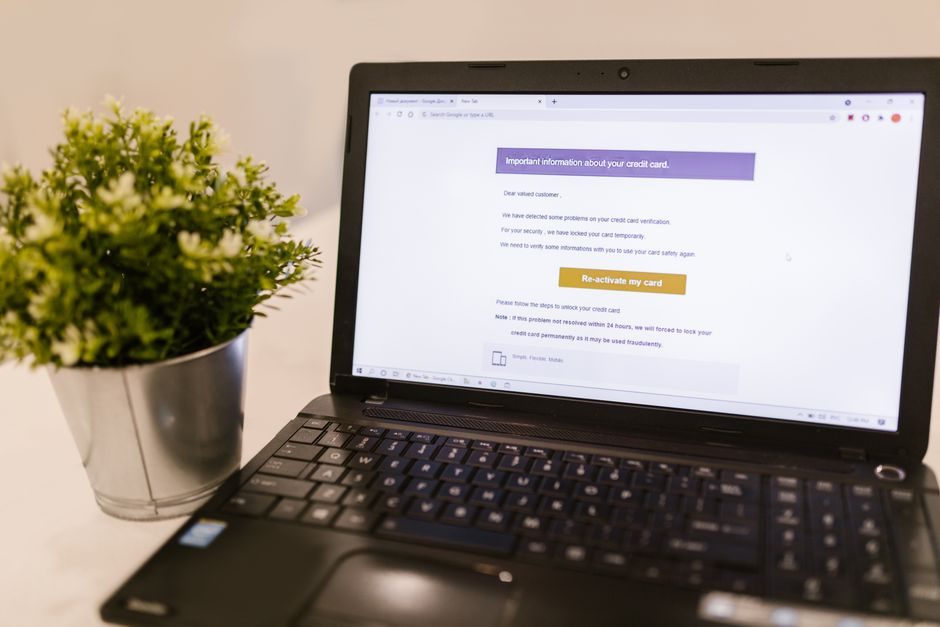
Start by confirming the publisher’s identity on the notice. Look for contact details and a verifiable company name that matches official records. If in doubt, contact the publisher through a known, separate channel to confirm legitimacy. löydä yrityksiä Helsingissä helps you verify listings and compare options when planning financial decisions.
- Keep a copy of the notice text and any attachments for future reference.
- If something feels off, pause and verify through a second source.
- Document the date and method you used to verify and respond.
Cross-check the notice against your own records or trusted databases before acting. A legitimate notice will usually align with prior transactions or registered data. Be wary of generic email addresses or mismatched logos that signal potential fraud.
Compare the notice language with similar, proven notices from previous years or known counterparts. Subtle inconsistencies, such as date formats or payment terms, can indicate a scam or a phishing attempt.
- Verify sender contact details
- Match to known records
- Watch for unusual payment requests
- Avoid clicking unfamiliar links
Creating a daily routine for notices
Set a fixed review window
Allocate a specific time each day to check new notices. This reduces the risk of impulsive replies and ensures you treat notices with appropriate attention. paikalliset ilmoitukset Helsingissä is a reminder that local notices can arrive with important deadlines and regional specifics that affect local taxes or permits.
Use a timer or reminder to keep the routine consistent. A predictable schedule helps you track response times and avoid missed deadlines.
Create a short checklist to run through every day so you don’t overlook key verification steps.
Prioritize high-impact notices
Not every notice requires the same level of attention. Start with notices that affect your accounts, taxes, or legal obligations. Those deserve a thorough verification before you respond.
Flag notices that request unusual payments, personal data, or access to accounts. These are common manipulation points and should be treated with heightened scrutiny.
Schedule time to reassess lower-risk notices, so you don’t fall behind on important items.
- Tag by risk level
- Pause for unusual requests
- Reassess daily backlog
Digital record-keeping habits

Archive notices methodically
Create a simple filing system for notices, with a clear date and topic. This makes it easier to retrieve details if you need to verify later.
Use descriptive filenames and short summaries in the metadata so you can search quickly.
Regularly back up folders to a trusted storage location to prevent data loss.
- Create dated folders by month
- Use consistent naming conventions
- Back up weekly
Note-taking that supports decisions
Keep concise notes when you verify notices. Record the source, date, and a brief conclusion about whether to act and why.
Use a standard template to ensure you capture the same information every time.
Review notes periodically to improve your judgment over time.
- Source, date, action
- Reason for action
- Follow-up dates
Advanced verification tools
Leverage official portals
Official portals often provide status tracking, receipts, and secure messaging. Use them for all notices that involve payments or sensitive data.
Avoid responding through third-party channels if the portal offers direct confirmation options.
Keep portal login details secure and enable two-factor authentication where available.
- Use official portals for confirmations
- Do not bypass secure channels
- Enable 2FA
Use independent verifications
Cross-verify crucial notices with independent sources such as regulated registries or official websites. This reduces reliance on a single channel that could be compromised.
Document the verification steps you took and the results. This helps protect you if questions arise later.
Be mindful of delayed updates on third-party sites; always prefer primary sources for final decisions.
- Cross-check with regulator sites
- Document results
- Prefer primary sources
Frequently asked questions
What should I do first when I receive a suspicious online notice?First, confirm the sender’s identity through trusted contact details you already have on file. Do not click links or share sensitive information. If the sender is legitimate, you will be able to verify through a separate channel. This prevents accidental data exposure and helps you decide on a careful next step.
How can I protect my financial information when responding to notices?Treat every request for account details or payments with caution. Use official portals, enable two-factor authentication, and avoid sharing credentials by email or chat. If in doubt, pause and seek confirmation from a known, direct source before proceeding.
What makes a notice high risk, and how should I prioritize it?High-risk notices typically ask for login data, payment transfers, or personal identifiers. Prioritize these for verification, and consider flagging them for a colleague’s review. Lower-risk notices can be reviewed in your daily routine but should still be documented.
Is there a standard way to store notices securely?Yes. Use a consistent folder structure, date-stamped filenames, and brief summaries. Back up the collection regularly and restrict access to trusted devices. This approach makes audits easier and reduces the chance of data loss.
Practical next steps for notices
Adopt a fixed daily routine to review notices, with clear steps at each stage from initial acknowledgment to final verification.
This habit reduces exposure to scams and helps you stay on top of legitimate obligations, while keeping a paper trail for future reference.
Add Forex & Stock Market News as a preferred source on Google


