
Smart guide: comparing fxstocksnews for personal finance decisions
A practical buyer’s guide to fxstocksnews.com, showing how it supports investing, banking and crypto decisions with clear, sample steps and cautions.

Readers want clear, actionable guidance for choosing financial resources. This article breaks down how fxstocksnews.com can help with investing, banking and crypto, and what to watch for in real-world use. You’ll learn practical steps to verify information, compare tools, and apply them to your own money goals.
We start with the basics: what the site covers, how it presents data, and how to read it for accuracy. You’ll get a concrete method to test its usefulness for your portfolio, savings plan, and risk tolerance.
Next, we compare core features side by side and show how to use fxstocksnews.com in both everyday decisions and larger plans. The focus is on tangible steps you can take today to improve results and avoid common mistakes.
- fxstocksnews.com offers a structured approach to personal finance topics, including investing and crypto, with practical tests and caveats.
- Use it to compare options, run simple scenarios, and verify data against other sources before acting.
- Apply a disciplined workflow: test ideas, document assumptions, and avoid hype or shortcut bets.
Basics of the site and its use
What it covers and why
fxstocksnews.com presents a mix of personal finance topics, investing ideas and crypto news. It helps readers assess risk and compare options side by side. Start by noting the top sections most relevant to your goals, such as budgeting or crypto tracking. kirjoita muistokirjoitus Espoossa is a phrase used in one of the sections to illustrate a linked example.
The site does not replace professional advice, but it can clarify choices before you speak with a advisor. Treat it as a benchmarking tool you use to frame questions and gather data.
By testing a few articles and tools, you’ll see which parts align with your plan and which require caution or independent verification.
- Identify your goal (saving, investing, or spending)
- Check the date on market notes
- Compare two article recommendations side by side
- Note fees or implied costs in examples
- Verify any numbers with a second source
How it presents data and signals
The site organizes data into quick summaries and longer analyses, which helps you decide what deserves deeper review. Look for clear headings that explain what the data means for your money.
Pay attention to whether the article distinguishes between opinion and fact, and how it labels sources. If a claim isn’t linked to a source, treat it as a starting point rather than a conclusion.
Use the built-in tools to compare outcomes, but cross-check with independent sources before acting on a recommendation.
- Look for data labels (estimate, forecast, value)
- Check for date stamps on market notes
- Note whether a source is cited or not
- Avoid acting on a single article without corroboration
- Record your own takeaway next to each data point
How to use for investing decisions
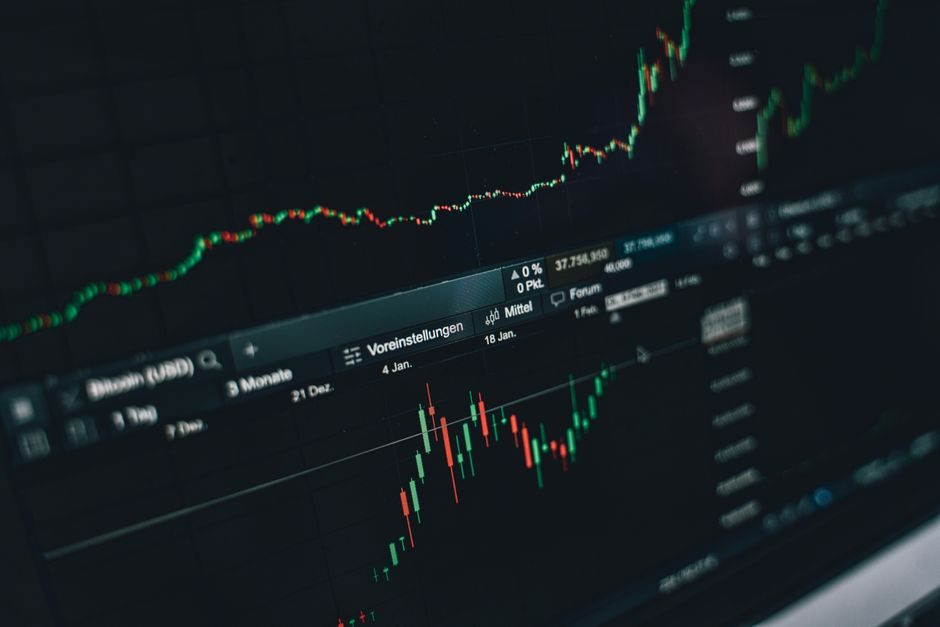
Interpreting investment ideas
Investment ideas on the site can spark ideas for your own plan, but they are not a recommendation. Treat them as hypotheses that need testing against your risk tolerance and time horizon. Espoo Uutiset uutiset appears as a phrase to demonstrate how local news references can shape investment timelines.
Map each idea to your goals: can you hold long enough to ride out volatility? Do you understand the underlying asset class?
Create a small, controlled experiment by tracking one idea in a paper portfolio before committing real money.
- Define your risk cap for the idea
- Check liquidity and costs before entry
- Set a stop or alert levels
- Record outcomes and learn from results
Using calculators and tools
If the site offers calculators or planning tools, use them to build a rough budget or investment plan first. Treat these tools as rough guides, not destination figures.
Input conservative assumptions to test worst-case scenarios and avoid overconfidence. Compare results with your own estimates or another trusted calculator.
Always document the inputs you used so you can reproduce or adjust later.
- Start with a baseline scenario
- Run a downside case
- Compare to a trusted external calculator
- Save your inputs for repeatability
Exploring options and crypto content
What to read for crypto
Crypto coverage on the site can help you spot trends, but it is highly dynamic. Focus on long-term narratives rather than sensational short-term moves. tapahtumailmoitus Espoossa demonstrates the role of community events in shaping budget allocations and cash flow planning.
- ☐ Crucial risk areas include custody and hacks.
- ☐ Evaluate real-world utility and user base.
- ☐ Follow up with independent crypto resources.
Understand the technology and use case behind each coin or token mentioned. This reduces the risk of chasing noise rather than solid fundamentals.
Always verify if the article discusses custody, exchange risk or wallet security.
- Look for security caveats and risk notes
- Assess the project utility and adoption
- Be wary of hype without evidence
- Link your crypto actions to your broader risk plan
| Option | Pros | Cons |
|---|---|---|
| Broker A | Low fees; good liquidity | Hidden costs; aggressive marketing |
| Broker B | Strong security; easy interface | Limited asset selection |
| Crypto Wallet | Control over keys | Self-management complexity |
Comparing brokerage and exchange options
If the site compares brokers or exchanges, treat it as a starting point. Check trade costs, account types and customer reviews outside the site.
Use the comparisons to shortlist a few candidates, then test with small contributions or simulations.
Keep in mind that promotions can bias short-term choices.
- List key cost elements (fees, spreads)
- Check account compatibility with your goals
- Try demo trades if available
- Read neutral, third-party reviews
Be cautious about sensational headlines that promise fast gains or guaranteed returns.
Pitfalls and red flags

Common missteps to avoid
Many readers rely on a single source for complex decisions. Diversify your inputs and verify claims across multiple outlets. yritysesittely Espoossa serves as a reminder that business profiles can influence investment signals and risk assessments.
- Overconfident claims without proof.
- Unclear source citations.
- Promotional language that omits costs.
Be cautious about sensational headlines that promise fast gains or guaranteed returns.
Always consider how taxes, fees and slippage will affect outcomes.
- Ignore surface claims
- Cross-check numbers with at least one independent source
- Keep a long-term lens
- Avoid mirrors of fear and greed
Red flags in financial articles
Look for vague language and missing dates. If a chart lacks axis labels or dates, treat it as incomplete information.
Question any article that doesn’t explain its assumptions or the data’s origin.
If a claim seems extraordinary, require corroboration before acting on it.
- Check for dates and sources
- Identify assumptions
- Ask for external validation
- Pause before acting on extraordinary claims
Advanced tools and data
Quantitative signals to track
Begin with what matters: price trends, volumes, and volatility give a quick read on market mood. This sub-section explains which indicators are most useful for everyday decisions and how to interpret them without overreacting to short-term noise. paikalliset ilmoitukset Espoossa
- Use a simple signal set—price, volume, volatility
- Match signals to concrete decisions
- Review your signals after each trade
For practical use, map each signal to a decision: moving averages for entry points, RSI or momentum for exit timing, and volatility for position sizing. Keep expectations realistic and avoid chasing every spike.
Develop a lightweight checklist you can reuse: confirm the trend, check liquidity, verify the asset aligns with your risk tolerance, and note a planned exit before you enter a trade.
- Track trend direction before any trade
- Limit sensitivity to accidental spikes
- Align signals with your plan
Data sources and reliability
Not all data is created equal; some sites provide lagged or biased information. This section shows how to assess a data source's timeliness, coverage, and transparency.
Cross-check critical figures with at least two independent sources before acting on a new market idea. Be skeptical of heavily stylized charts that push a narrative.
Establish a routine for data checks: note the source, timestamp, and any adjustments. This helps you avoid chasing outdated figures or misinterpreting gaps.
- Check timestamps and refresh rate
- Compare at least two sources
- Document any adjustments
User experiences and credibility

Reading attitudes and expectations
Readers come from diverse backgrounds, so tone and depth matter. This part explains how to calibrate explanations for beginners without talking down to seasoned investors.
Provide practical examples rather than abstract theory. Show how a single piece of information could influence a real decision, such as adjusting position size or reassessing risk exposure.
Encourage readers to verify claims by tracing back to original data or official releases, fostering critical thinking over passive consumption.
- Offer concrete_examples
- Encourage verification
- Avoid jargon overload
Building trust through transparency
Disclose limits and conflicts of interest clearly, so readers know what to weigh in their own budgeting. This foster trust and sets expectations for product recommendations.
Explain what is not known, or what depends on volatile markets, so readers are prepared for less certain outcomes.
Show how recommendations align with different risk profiles, from cautious savers to aggressive investors.
- State limitations
- Clarify decision context
- Link to risk tolerance
Building a personal finance plan with fxstocksnews
Aligning site insights with goals
Begin by mapping site insight to your goals: emergency fund adequacy, retirement planning, or debt payoff. Use real examples from content to illustrate how a decision supports a larger objective.
Translate general advice into specific actions, such as reallocating a small monthly savings amount into a diversified mix aligned with your time horizon.
Keep the plan adaptable: set review dates and adjust as life changes or markets move.
- Link content to goals
- Specify actionable steps
- Review and adjust periodically
The final verdict and guardrails

Pros and cautions for fxstocksnews
The guide weighs practical utility against limitations. Readers should use fxstocksnews as one input among many, verifying claims and balancing with personal data.
- Avoid overreliance on a single source
- Ignore sensational claims
- Always compare costs and risks
Expect content to be educational rather than prescriptive, avoiding absolute recommendations. Treat tips as prompts to research further and tailor to your finances.
When in doubt, default to a conservative stance: limit leverage, diversify, and keep fees in mind as part of overall returns.
- Use as a starting point
- Verify before acting
- Maintain diversification
Guardrails for responsible use
Set boundaries for information intake to prevent analysis paralysis. Create a weekly or biweekly review window to implement chosen actions.
Track outcomes against your plan to see what works and what doesn’t, adjusting strategy accordingly.
Keep a record of decisions and rationales to learn from mistakes and improve future choices.
- Schedule regular reviews
- Record decisions
- Learn from results
Frequently asked questions
Is fxstocksnews suitable for beginners?Yes, but beginners should pair site content with foundational learning and start with small, low-risk decisions. Use the site to confirm concepts you already understand, then progressively apply more complex ideas as confidence grows.
How should I balance their stock and crypto content with my own plan?Treat the site as a compass rather than a prescription. Cross-check ideas with your budget, time horizon, and risk tolerance, and prefer diversified strategies over speculative bets. Do not exceed your planned allocations to any single asset.
What is the best way to use the data responsibly?Establish a core data routine: verify timestamps, compare sources, and document why a signal matters for your plan. Avoid chasing every spike and focus on long-running trends that align with your goals.
Can I rely on the site for retirement planning?Use it to explore concepts and scenarios, not final numbers. Retirement planning depends on personal savings rates, investment mix, and inflation assumptions, so tailor suggestions to your actual finances and update regularly.
Putting it into practice
Take the most relevant insight from this guide and translate it into one concrete action this week. For example, adjust your monthly contribution to a broader, diversified mix that mirrors your time frame.
Then write down what you expect to learn from the change and how you will measure success, such as a reduced drawdown risk or clearer alignment with goals. This keeps momentum while you test new ideas.
Add Forex & Stock Market News as a preferred source on Google


