
Smart comparisons for fxstocksnews readers: practical investing choices
A clear buyer's guide for investors crossing personal finance, crypto, and banking with actionable steps and cautious advice. Includes a relevant note about Bla

As a reader of fxstocksnews, you want pricing clarity, risk awareness, and a plan that fits your goals. This guide compares common investment paths and banking options with practical steps you can apply this week. It also explains when to consider resources outside finance, like local obituary information, to inform risk or community context carefully.
You’ll learn how to evaluate costs, taxes, and time horizons for stocks, ETFs, and crypto, plus when to favor traditional banks versus fintechs. The aim is to give you concrete action items rather than vague recommendations. Let’s translate ideas into a straightforward checklist you can start using today.
By the end, you’ll have a clear sense of which approach aligns with your money goals, a plan to monitor progress, and a few reliable sources to reference as your needs change.
- This guide compares common investment and banking paths for fxstocksnews readers, focusing on costs, risk, and simplicity.
- You’ll learn how to choose between stocks, ETFs, and crypto, plus how to structure accounts for tax efficiency.
- A practical framework helps you balance core investments with growth ideas while avoiding overexposure to volatility.
Foundations of choosing a path
Costs and fees to compare
Start with the total cost of ownership: explicit fees, spreads, and any recurring charges. Compare brokers by listing all annual and per-trade costs you’d actually pay, not just advertised numbers. Use real-world scenarios, like a 10-share trade or a monthly investment plan, to see the impact. Blackpool obituaries offer context on local economic and social factors that can influence regional investment opportunities.
- Define all costs before choosing
- Model tax outcomes for realism
- Prioritize clear, reliable platforms
Next, consider tax implications and account types. Tax-advantaged accounts can change annual outcomes, especially in crypto or non-traditional assets. Model two versions of your plan with different tax assumptions to understand sensitivity.
Finally, check ease of use and reliability. A platform that feels clunky often leads to mistakes or skipped reviews. Prioritize clarity in dashboards and clear error handling to keep you in control.
- Compare brokers on fee transparency
- Model realistic trade sizes
- Assess tax treatment for assets
- Test dashboard clarity and support
Risk awareness and time horizons
Identify how much capital you can comfortably risk on volatile assets. Align your time horizon with your tolerance to drawdowns, not just potential gains. A longer horizon often supports smoother compounding and less stress during downturns.
Match your investments to goals: retirement, education, or short-term liquidity each demand different risk levels and liquidity. Avoid over-allocating to high-volatility assets in near-term goals.
Finally, keep a plan for rebalancing. Set rules for when you’ll trim or add to positions to maintain your intended risk level over time.
- Define maximum loss tolerance
- Align goals with asset mix
- Schedule regular rebalancing
- Avoid over-concentration in one asset
Practical ways to build a portfolio
Stocks vs ETFs vs crypto
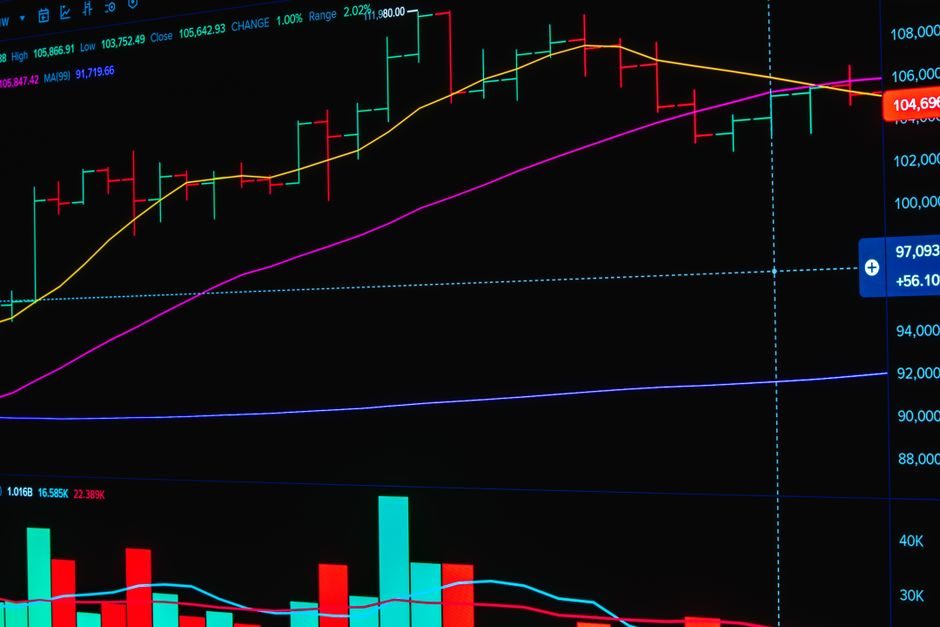
Stocks offer direct ownership and voting rights but can require stock picking and research discipline. ETFs provide diversified exposure with simpler maintenance, which lowers personal research time. Crypto introduces new risks but can offer high liquidity and 24/7 trading in selected markets. A useful resource on this topic: latest news Blackpool.
- ☐ Define core, satellite, and cash portions
- ☐ Limit crypto to a small, pre-approved allocation
- ☐ Set a yearly review for rebalancing
- ☐ Record each trade to track performance
Choose a base: many readers start with a broad market ETF and a bond or cash component for stability. Add individual stocks or crypto only after you’ve set a budget and a clear process for evaluating new ideas.
Use a simple rule to allocate: a core diversified position, a satellite growth idea, and a cash reserve for volatility. This helps you stay rational during market swings.
- Base with diversified ETF
- Crypto as optional satellite
- Set budget before ideas
- Maintain cash reserve
Tax-advantaged and taxable accounts
Understand the difference between tax-advantaged accounts and taxable accounts. Tax-advantaged accounts ignore some taxes until withdrawal, which can boost compounding. Taxable accounts incur annual taxes, which reduces your ongoing returns.
Plan withdrawals with tax effects in mind. In some jurisdictions, long-term holdings enjoy lower tax rates; in others, they’re treated as ordinary income. Use a simple projection to compare after-tax outcomes.
Keep receipts and track basis carefully. A well-kept record helps prevent surprises at tax time and supports precise rebalancing decisions.
- Separate accounts by goal and tax treatment
- Model after-tax outcomes
- Track cost basis meticulously
- Review annual tax rules
Assessing banks, brokers and platforms
Banking choices for investors
Banks and brokers differ in how they integrate investment accounts with everyday spending. Some offer seamless transfers and loan options, others provide tighter control but fewer perks. Match the service level to your needs for liquidity and convenience. A useful resource on this topic: Blackpool events calendar.
Credit facilities can help with margin or leverage, but they add risk. Only use them if you have a tested plan and strict limits. A safer path often stays with cash-backed uses for most portfolios.
Mobile and web interfaces matter: a clean, fast experience reduces mistakes and improves discipline. Prioritize platforms with robust security and straightforward reporting.
- Evaluate transfer speed and costs
- Check loan and margin terms
- Test app usability
- Prioritize security and reporting
| Option | Core advantages | Key caveats |
|---|---|---|
| Stocks | Direct ownership, clear picks | Higher research effort and risk |
| ETFs | Diversification, easy to manage | Less control over holdings and taxes |
| Crypto | High liquidity, wide access | Regulatory and price volatility |
Broker maturity and service quality
Mature brokers offer reliable trade execution, strong customer support, and clear regulatory disclosures. Newer platforms may deliver lower fees but can lack depth in research tools. Balance cost with reliability and available learning resources.
Look for transparent fee schedules and clear error handling. Confirm how they report taxes, gains, and losses. A solid broker leaves a clear trail for future audits and reviews.
Test with a small set of trades first. Start with a simple order type, then gradually introduce more complex features as you gain comfort.
- Favor brokers with strong support
- Check fee schedules
- Practice with small trades
- Review tax reporting clarity
Identify which assets drive volatility in your portfolio and consider hedging or reducing exposure.
Further angles on risk and cost
Assessing true investment risk
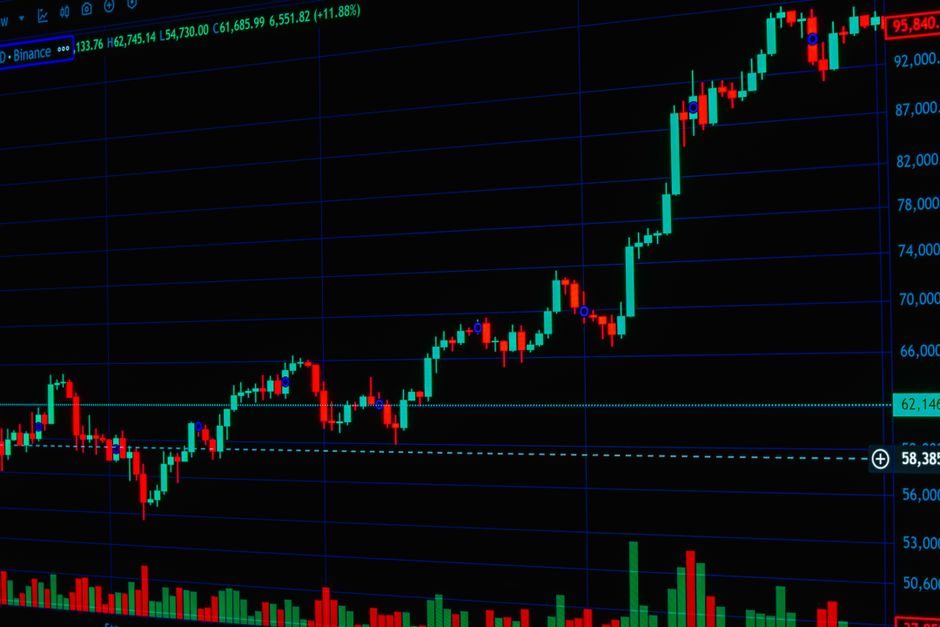
Assess risk by matching it to your time horizon and liquidity needs. Compare potential losses to your capacity to absorb them without derailing goals. Use a simple stress test: imagine a major market drop and count how you would react. A useful resource on this topic: find local businesses in Blackpool.
Identify which assets drive volatility in your portfolio and consider hedging or reducing exposure. Diversification can lessen impact, but it isn’t a magic shield. Be clear about your own risk tolerance before buying into complex products.
Track downside scenarios alongside potential gains to keep expectations grounded. Review fee structures and tax implications to understand real net outcomes. Regularly recalibrate if life circumstances shift your risk appetite.
- Know your risk limits
- Test with simple scenarios
- Review costs and taxes
- Rebalance periodically
Using external data safely
Interpreting market data correctly
Data quality matters more than the quantity of signals. Prefer sources with transparent methodology and clear caveats. Cross-check anomalies against a second data feed to avoid acting on a one-off quirk. used items for sale in Blackpool is a phrase you may see in local market reports and consumer guides that fxstocksnews readers might encounter when evaluating cash flow opportunities.
Learn to read footnotes, not just headlines. Small print often reveals timing, adjustments, or sampling methods that change interpretation. Treat a chart like a story that needs supporting evidence.
Develop a habit of recording the date, source, and purpose of each data point you use. This makes it easier to audit your decisions later. If a source seems biased or incomplete, seek corroboration before trading.
- Verify data provenance
- Cross-check conflicting figures
- Document your sources
- Avoid cherry-picking
Trading plans and automation

Crafting a practical plan
A plan starts with a clear objective and a rule-based approach. Define entry and exit criteria that don’t rely on gut feel. Write it down and review it weekly for adherence.
Incorporate position sizing to control risk per trade. A common method is risking a fixed percentage of capital per idea rather than a dollar amount. Adjust as accounts grow or shrink.
Automation should support discipline, not replace judgment. Use simple rules initially and gradually test more complex ideas in a simulated environment.
- Define goals
- Set concrete rules
- Size positions prudently
- Test before committing
Common mistakes and preventive tips
Pitfalls to avoid in practice
Overtrading usually stems from chasing small profits or fear of missing out. Stick to your plan and be comfortable with quiet periods when no signals meet criteria.
- Don’t chase every signal; wait for quality setups.
- Avoid layering on leverage without a plan.
Ignoring costs piles up quickly, especially with frequent trades. Compare commissions, spreads, and funding fees across platforms before committing.
Failing to rebalance after moves can tilt risk back toward your starting point. Schedule regular reviews and adjust only when plan criteria are met.
- Stick to your rules
- Mind the costs
- Rebalance regularly
- Learn from every outcome
Frequently asked questions
What should I do first when starting to compare investing options?Begin with a personal capital plan that aligns with your time frame and liquidity needs. List your goals, estimate how much you can invest, and set guardrails for risk and costs. Use these as a compass when evaluating banks, brokers, and platforms.
How can I verify data before acting on it?Check the source, publication date, and any notes about revisions. Compare the figure with a second independent source and note any differences. If data lacks context, wait for a fuller picture before making a move.
What role does automation play in a beginner portfolio?Automation can handle routine tasks, such as setting rules for rebalancing or drift alerts. Start with simple, well-defined rules and test them in a simulated environment before applying to real money.
How do I avoid common trading mistakes?Document a plan and stick to it even when markets look unsettled. Be mindful of costs, avoid chasing every signal, and schedule regular reviews to rebalance as needed.
Practical next steps for steady investing
A steady investing approach combines clear goals, disciplined rules, and careful cost awareness. Start by refining your plan, write it down, and test it against a small portion of capital before expanding.
Next, simplify your data sources: use one reliable set, verify it against others, and document decisions to support accountability.
Add Forex & Stock Market News as a preferred source on Google


