
Smart Compare: fxstocksnews guide for investors in plain terms
A practical buyer’s guide on fxStocksNews’ finance topics, with actionable steps, pitfalls to avoid, and a Stockholm-specific note for readers.

Readers want clear, actionable guidance that helps them make smarter choices. This guide compares fxstocksnews.com with practical steps, showing what matters for personal finance—fees, readability, and reliability. You’ll learn how to spot trustworthy information, compare services, and apply ideas to your own goals. The focus on real-world decisions keeps the advice concrete and useful.
First, understand how a finance site fits your plan: use it to frame decisions, not to replace your judgment. We’ll cover what to look for in coverage, how to test for bias, and how to act on ideas without overreacting. Expect steps you can implement this week, from tracking costs to validating claims with your own numbers.
Finally, this article includes a practical path: compare core features, map them to your needs, and know when to walk away. You’ll also see how to verify local information when it matters for taxes or banking. The aim is to empower steady progress toward your financial goals.
- fxstocksnews offers practical, no-nonsense advice on personal finance topics. It highlights what to check for credibility, how to test ideas against your numbers, and how to implement steps safely.
- The guide emphasizes concrete steps and real-world checks rather than hype, helping readers avoid common traps.
- Use the site to inform decisions, but validate claims with your own data and consider seeking tailored advice for tax or major investments.
Basics and trust
Trust indicators to watch
Start by looking for clear authorship, transparent disclosures, and dated content. Compare several articles to spot consistency in tone and accuracy. Identify any sponsored content and check whether it’s clearly labeled and fairly presented. annonsera i Stockholm
How it fits your plan

Align with your goals
Define your financial goals clearly before reading. Use the site's articles to map general strategies to your situation, not as a substitute for a plan. Track how each idea would affect fees, risks, and timelines. Stockholm nyheter
- Identify your goal first
- Cross-check claims with your own numbers
- Match content to your plan
Quality signals to trust
Different sections should show consistent quality: practical steps, not vague praise. Look for checklists, examples, and realistic caveats. If a piece lacks concrete steps, treat it as a starting point rather than a final answer.
- Checklists
- Realistic caveats
- Concrete steps
Options and methods
Common channels
Evaluate options across savings, investing, and banking. Compare features like access, fees, minimums, and tax implications. Use sample calculations to estimate costs over time. Stockholm evenemangskalender
- Savings vs. investment trade-offs
- Fee awareness
- Time horizon impact
| Aspect | Option A | Option B |
|---|---|---|
| Fees | low | medium |
| Access | online | online+phone |
| Tax impact | neutral | advisory required |
Practical steps
Start with a small, controlled test: track one decision’s costs and outcomes for 3–6 months. Record what worked, what didn’t, and why. Use these notes to adjust your plan before bigger moves.
- Set a trial budget
- Document outcomes
- Adjust based on results
Use the site to prepare questions and gather data, then consult a licensed adviser.
Pitfalls and cautions

What to avoid
Beware sensational claims and excessive guarantees. If an article promises quick wealth or flawless returns, pause and reassess. Look for hedging language and a balanced view. lägg till företag i Stockholm
- No guaranteed results
- Check for missing context
- Watch for conflicts of interest
When to seek help
Some decisions demand professional advice, especially tax or estate considerations. Use the site to prepare questions and gather data, then consult a licensed adviser. Bring your own numbers to the meeting to stay in control.
- Prepare a data package
- Ask for written projections
- Verify credentials
Advanced strategies
Leveraging diversified instruments
Develop a plan that combines stocks, bonds, and alternatives to smooth returns. Diversification reduces risk when any single market segment underperforms. Use wide exposure to align with long-term goals rather than chasing short-term spikes. skriv minnesord i Stockholm
Choose instruments with different response patterns to market shocks. For example, combine blue-chip equities with stable income assets and a portion in hedged or non-correlated vehicles. This helps protect capital during volatility while maintaining growth potential.
Track correlations and rebalance periodically to keep risk within your target. Rebalancing is not a one-time action; it requires disciplined reviews as your portfolio drifts from its plan.
- Diversify across asset classes
- Use non-correlated strategies
- Schedule regular rebalancing
- Avoid over-concentration
- Keep costs in mind
Tax considerations
Tax-efficient withdrawal planning
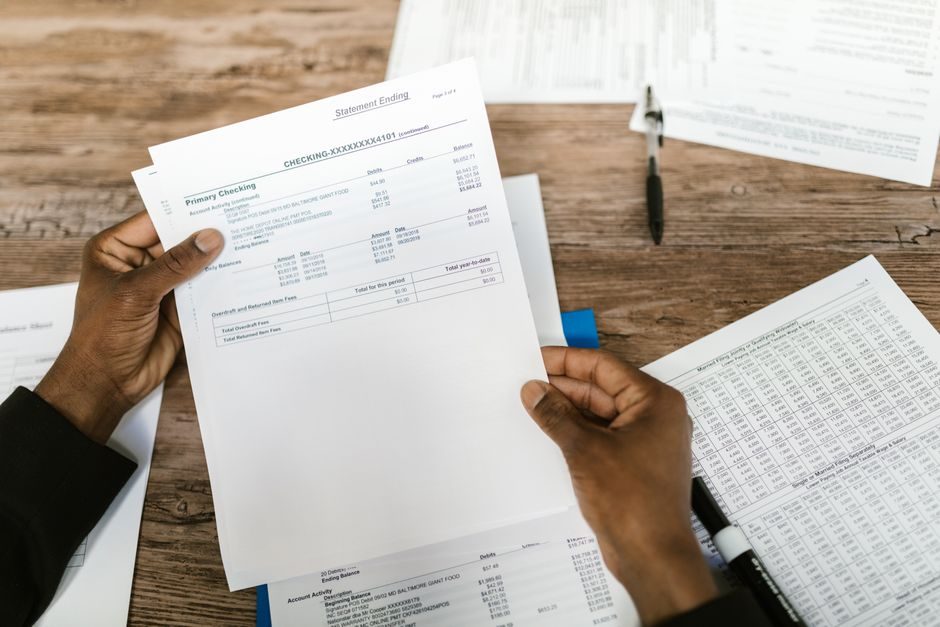
Think about taxes when planning withdrawals from taxable and tax-advantaged accounts. Sequence withdrawals to minimize marginal tax rates and preserve higher-growth assets. This often means drawing from taxable accounts first when you can without forcing liquidity races.
- Know which accounts are tax-advantaged and how withdrawals will be taxed.
- Use tax-loss harvesting as part of your routine, not a one-off tactic.
Coordinate with tax deadlines and the timing of capital gains. Harvest losses when appropriate to offset gains, and be mindful of the wash-sale rule that could limit deductions.
Document all trades and withdrawals to support year-end tax filings and potential audits. Accurate records prevent surprises when you file and help you optimize future strategies.
- Balance tax brackets
- Harvest losses carefully
- Keep thorough records
- Coordinate with deadlines
- Plan withdrawals strategically
Global markets
Currency and cross-border effects
Investing globally introduces currency risk. Movements in exchange rates can amplify or dampen returns regardless of local stock performance. Hedge costs and currency-hedged funds can be useful when the exposure is large.
Consider country exposure alongside sector and company fundamentals. A strong domestic economy can coexist with weak stock markets abroad if currency dynamics shift.
Regularly review your foreign holdings to ensure they still align with your core risk profile and liquidity needs. Global opportunities should not override your plans for stability and control.
- Watch currency impact
- Balance exposure
- Review liquidity needs
- Align with risk tolerance
- Monitor costs
Personal ethics

Responsible investing criteria
Define your own criteria for selecting investments beyond returns. This can include governance standards, environmental impact, and social responsibility. Clear rules help you stay consistent under market pressure.
Screen potential bets against your criteria so you don’t chase hype. A disciplined filter reduces emotional decisions and helps preserve capital.
Maintain transparency with yourself and your advisor about what you’re willing to own and what you won’t. Personal ethics can shape risk tolerance as much as income goals.
- Set non-financial thresholds
- Use screens for consistency
- Be transparent with advisors
- Revisit ethics as markets evolve
- Avoid chasing trends
Frequently asked questions
What should I do first when starting to invest globally?Begin with your core plan: risk tolerance, time horizon, and liquidity needs. Then add international exposure gradually, focusing on low-cost funds and a clear currency stance. Track how currency moves affect your returns and adjust only if it changes your risk profile.
How often should I rebalance a diversified portfolio?Rebalance on a set schedule, such as quarterly, and after meaningful market moves. The goal is to maintain your target risk level without over-trading. Document any adjustments and review their impact over the next few months.
Are there ethical screens that are practical for most investors?Yes. Start with governance, environmental impact, and labor practices relevant to your values. Use transparent criteria and avoid overrestrictive rules that exclude broad opportunities. Revisit these screens annually as your priorities evolve.
What’s a realistic expectation for tax planning in investing?Tax planning helps keep more of your gains, but it isn’t a guaranteed savings tool. Use tax-advantaged accounts where applicable, time withdrawals strategically, and document trades to support filings. Expect incremental benefits over time rather than dramatic shifts.
Conclusion
Take a steady, plan-driven approach to investing that blends diversification, tax awareness, and ethical criteria. The goal is reliable progress, not quick wins, with regular checks to keep you on track.
Turn strategy into concrete steps: set a target mix, create tax-aware rules, and apply a simple ethical screen. Small, consistent habits outperform complex, infrequent moves, especially in volatile markets.
Add Forex & Stock Market News as a preferred source on Google


