
How to Read Stock Quotes: Prices, Bid and Ask, Volume, and More
Learn how to interpret a stock’s price and price movement, and where to check the quote details that depend on your brokerage or market-data provider.

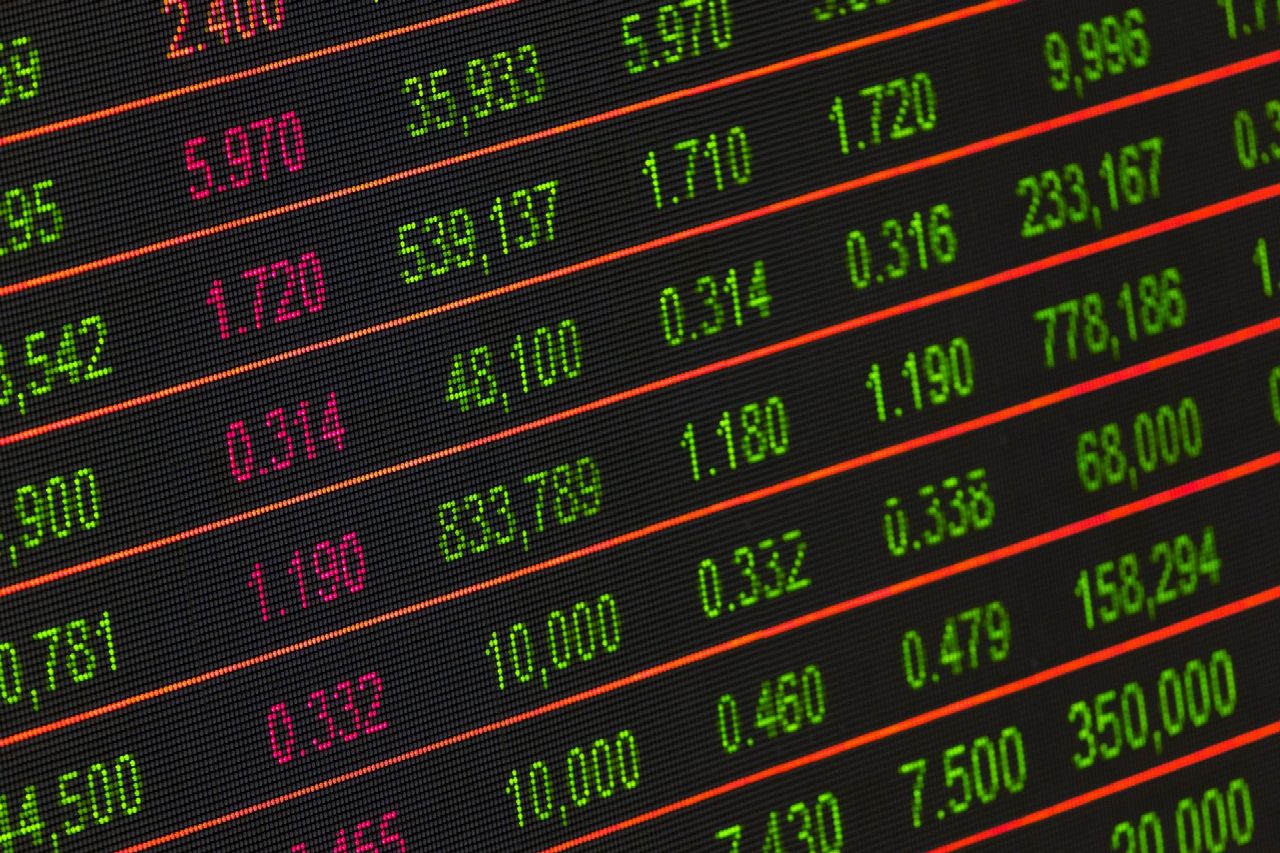
Start with the company or stock symbol, then read the displayed share price and its movement. A stock’s price changes as shares are bought and sold, reflecting investor demand and market conditions. To interpret bid, ask, volume, trading ranges, or a delay label, check the definitions and timestamp supplied by the brokerage or market-data provider showing the quote.
In short
- A stock represents an ownership stake in a company.
- Share prices change throughout the trading day.
- Investor demand and market conditions can affect a stock’s price.
- Use the quote provider’s own definitions and timestamp for fields it displays.
What do the stock numbers mean?
A quote’s figures describe a stock’s market information at the time and in the format presented by the provider. The share price is the amount attached to a share; its movement reflects changing demand and market conditions.
Start with these terms
- StockAn ownership stake in a company, also called equity.
- Share priceThe price of a share, which can rise or fall as demand and market conditions change.
- DividendA distribution of company earnings to shareholders, if the company chooses to pay one.
- Capital gainA profit from selling a stock at a higher price than you paid, after accounting for trading fees.
What do bid, ask, and last price mean?
Check the quote provider
Open the provider’s quote help or glossary when a label is unfamiliar. Field names and their explanations should be read together.
What do the day’s range and 52-week range show?
Don’t treat a range as a forecast
A share price can move up or down, and past market movement does not guarantee what a stock will do next. Consider the range alongside the provider’s explanation and other information about the investment.
How are quote prices and trading volume displayed?
Stock prices change as shares trade, sometimes by small amounts and sometimes by larger ones. The available information does not explain how a particular provider formats volume, so check its quote help for the unit and reporting period shown beside that figure.
Read a quote in sequence
- Identify the stockConfirm the company or symbol shown by the quote provider.
- Read the priceLook at the share price and any displayed movement; prices can change throughout the trading day.
- Check field definitionsUse the provider’s help to interpret bid, ask, range, and volume labels.
- Check the timestampReview the quote’s time information and the provider’s explanation of any delay label.
Frequently asked questions
Does a rising share price mean the company pays a dividend?
No. A company may choose to distribute earnings as dividends, but it does not have to. A dividend’s amount is not guaranteed and can be reduced or eliminated.
Can a stock quote tell me whether an investment is right for me?
A quote shows market information, but a stock’s price can rise or fall. A company’s success, investor demand, and broader market conditions can affect its value, so a quote alone cannot guarantee an investment outcome.
This guide draws on information from finra.org and FAQs.
Editorial checks passed Facts, figures and quotes checked against 2 sources, 2 official or primary
Add Forex & Stock Market News as a preferred source on Google


