
How to Promote a Finance Event in the USA Effectively
A practical guide for finance readers: plan, promote, and measure a US event with clear steps, realistic expectations, and concrete tips.

This guide shows how to promote a finance event in the USA with practical steps that work. You’ll learn how to choose the right audience, set measurable goals, and use budget-friendly channels. The focus stays on clear actions you can take now, with real-world checks for compliance and impact.
To make promotion practical, start with a specific audience and a simple message. Then plot a budget, a timeline, and a small set of channels that pay for themselves. Finally, track results and adjust quickly to improve attendance and engagement.
Plan ahead, test quickly, and keep messages consistent across channels to avoid wasted effort and mixed signals.
- Plan with a specific audience and a clear goal. Choose cost-effective channels and credible speakers. Develop a simple pricing plan and a tight format. Anticipate pitfalls and build fast, honest reminders for signups.
- Track engagement, adjust quickly, and keep communications transparent. Use data to refine tactics and improve for the next event.
- Include practical steps, such as audience personas, early pricing, and a compact agenda. Always verify compliance and maintain trust with attendees.
Foundations for a US audience
Define your audience clearly
Identify who benefits most from your event, then tailor content to their needs. Consider roles like investors, advisors, and students, and map their goals to your agenda. Clear personas keep your marketing focused and reduce waste. promote your event in the USA
This clarity helps you choose channels that actually reach the right people, rather than broad, unfocused outreach. It also makes your event more valuable to attendees, which increases word-of-mouth referrals.
With a precise audience, you can craft a message that speaks directly to their concerns, such as risk management, tax implications, or retirement planning.
- Create 2-3 audience personas
- List their top concerns
- Match agenda to concerns
- Define a success metric for attendance
Set a measurable goal
Define what success looks like in clear terms, not vague wishes. Choose a primary metric such as registrations or attendance and a secondary one like engagement. Use a deadline and a realistic target based on past events or similar programs.
A concrete goal guides every decision from messaging to channel choice. It helps you decide how much to spend and which speakers add value. Without a number, you risk overperforfoming or underdelivering.
Track progress weekly and adjust tactics if you fall behind. Small, data-driven changes beat big, uncertain efforts.
- Choose primary metric (e.g., registrations)
- Set a deadline and target
- Assign a tracking method
- Review weekly and adjust
How to choose your channels

Prioritize cost-effective channels
Identify channels that deliver consistent reach without skyrocketing costs. Email, professional networks, and partner sites often provide solid ROI when messages are tailored. Start with low-cost formats like newsletters and event pages. A useful resource on this topic: latest US news news.
- ☐ Use targeted emails to reach relevant readers
- ☐ Leverage partner platforms for credibility
- ☐ Keep formats simple to avoid clutter
Test different formats on a small scale before committing more budget. Use a simple A/B test for subject lines or headlines to see what resonates.
Align channels with audience habits to avoid wasting impressions. If your audience reads newsletters, focus there rather than broad social ads.
- Email to existing list
- Partner with financial sites
- Event page on professional networks
- Cost-conscious ad formats
- Simple A/B tests
Leverage a credible speaker lineup
Speakers matter as much as the venue. Recruit industry experts, advisors, or experienced practitioners who can offer practical insights. A strong roster boosts credibility and attendance.
Offer a few engaging sessions rather than a long monologue. Readers respond to concrete takeaways like case studies or how-to demonstrations.
Provide clear bios and a short agenda to set expectations and build trust before registration.
- Invite credible speakers
- Show practical relevance
- Provide concise bios and agenda
- Offer snippets of session value
Options for format and price
Choose a clear format
A concise format with a few sessions can outperform a longer, denser program. Prioritize a clear stream of topics, practical demonstrations, and time for questions. This helps attendees leave with concrete takeaways. A useful resource on this topic: add your business to the USA business directory.
- Define session count and flow
- State hybrid capabilities if any
- Describe what attendees will take away
Different formats suit different audiences; consider a hybrid model if you want broader reach. Keep the core experience consistent, even if some sessions are virtual.
Communicate format details early so attendees know what to expect and how to plan their day.
- Short, focused agenda
- Hybrid option if needed
- Clear format details
| Method | Value | Risks |
|---|---|---|
| In-person format | Clear, tactile experiences | Higher logistics costs |
| Hybrid format | Broader reach | Tech challenges |
| Streaming-only | Low cost | Less networking |
Pricing and value exchange
Set a price that reflects value, not hype. Include early-bird discounts or bundle offers to encourage early commitment. Provide clear what-you-get for the ticket price.
Consider a simple pricing ladder and add-ons like a recap summary or premium seating. Communicate benefits rather than features.
Review refunds and policies to avoid headaches on the day of the event.
- Early-bird and bundles
- Transparent value statement
- Clear refund policy
Regular updates to your audience keep momentum without promising results you can’t deliver.
Pitfalls to avoid

Overestimating demand
Assume higher turnout than warranted can waste resources. Start with a conservative forecast and monitor signups daily. If demand grows, adapt quickly by adding capacity or extending outreach. A useful resource on this topic: USA classified ads.
- Forecast conservatively
- Prepare contingency plans
- Communicate progress clearly
Keep a backup plan for space, staff, and tech. Overconfidence often leads to rushed changes that compromise attendee experience.
Regular updates to your audience keep momentum without promising results you can’t deliver.
- Create a conservative forecast
- Have backup plans
- Communicate progress to stakeholders
Ignoring legal and compliance basics
Finance events touch on regulated topics. Ensure disclosures, licensing rules, and attendee data handling meet local requirements. A simple privacy notice and consent flow prevent later issues.
Review venue agreements and contract terms for limitations on speakers and sponsors. Ambiguity here can create disputes after registration.
Consult a professional if unsure about securities, taxation, or advertising claims that could trigger compliance risks.
- Disclosures and consent
- Clear contracts
- Professional guidance when unsure
Advanced promotion tactics
Targeted email campaigns
Craft segmented lists by interest and past engagement to tailor messages. Use concise subject lines and value-driven copy that explains how attendance benefits finances or knowledge. Include clear calls to action and a deadline to create urgency. post a funeral announcement in the USA
Test two to three subject lines per segment and track open rates to refine wording. Avoid overly long emails; most readers skim and respond to concrete benefits. Ensure landing pages match the email offer and provide easy registration.
- Segment by investment focus
- Highlight practical takeaways
- Offer early-bird incentives
- Provide simple registration flow
- Include social proof from past events
Audience analytics deep-dive

Track attendee behavior
Set up event tracking on your site to see which pages convert. Analyze sources that drive registrations and sessions that drop off. Use these patterns to adjust content and timing for future promotions.
Collect post-event feedback to understand what resonated and what fell flat. Qualitative insights help explain numbers and guide next steps. Align analytics with your revenue goals and attendee satisfaction.
- Source attribution
- Conversion funnels
- Feedback summaries
- Behavior patterns
- Engagement metrics
Monetization and partnerships
Sponsorship and pricing
Define sponsorship tiers with clear benefits that align with sponsor goals and audience needs. Offer packages that reflect exposure, speaking time, and exclusive sessions. Keep pricing transparent and tied to measurable outcomes.
Negotiate in-kind value where possible, such as content collaborations or attendee discounts. Document deliverables in a contract to prevent scope creep. Monitor sponsor satisfaction through post-event reviews.
- Tiered packages
- Clear deliverables
- Contractual terms
- Post-event debrief
- Sponsor-driven content
Long-term event strategy
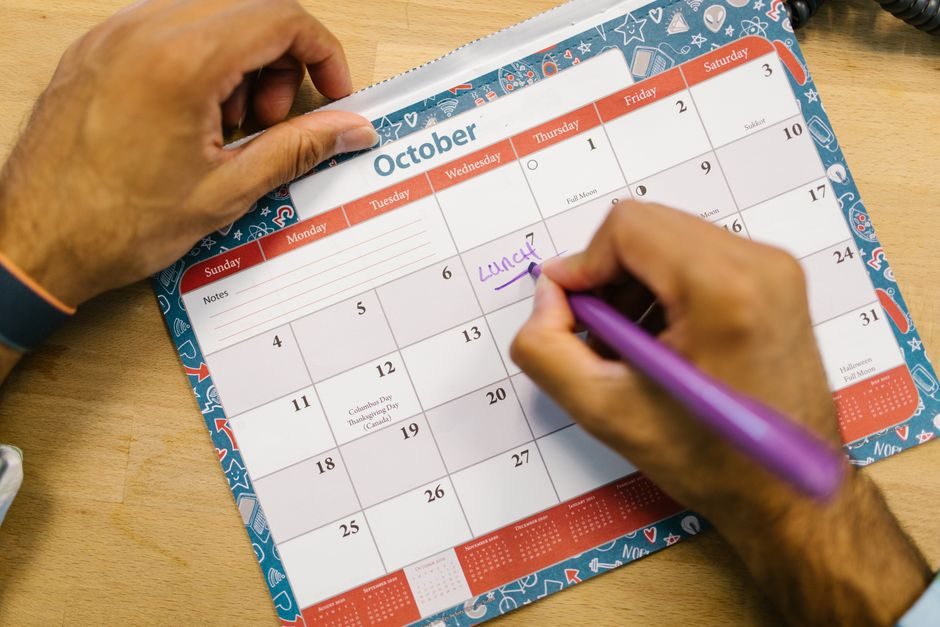
Building a yearly calendar
Schedule flagship events alongside smaller, regional meetups to maintain momentum. Use a yearly calendar to balance themes, venues, and audience needs. Align topics with market cycles and policy changes that affect finance decisions.
Invest in content repurposing so each session becomes multiple resources. Record talks for on-demand access, write recap posts, and create quick guides. Consistency builds trust and repeat attendance.
- Flagship plus regional
- Thematic sequencing
- Content repurposing
- On-demand access
- Consistency over time
Frequently asked questions
Who should host a finance event in the USA?Finance events work best when organizers clearly serve a specific audience, such as beginner investors, wealth managers, or fintech professionals. Define goals, choose a credible venue, and assemble speakers who provide practical, actionable insights. A clear audience focus keeps marketing on target and improves attendance.
How far in advance should promotion start?Begin promoting at least eight to ten weeks before the event for larger gatherings. Start with early-bird announcements and build momentum with staggered reminders. Ensure registration and payment processes are simple and mobile-friendly.
What channels typically perform well in finance events?Linked content, email newsletters, professional networks, and industry associations usually drive registrations. Prioritize channels where your target audience already spends time and tailor the message to their daily concerns, such as retirement planning or tax-optimized investing.
How do you measure event success beyond attendance?Track attendee satisfaction, follow-up action rates, and post-event conversions to paid services. Look at content downloads, new inquiries, and partnerships formed. Use those signals to justify budget and plan improvements.
Sustained growth through steady planning
A steady cadence of events builds credibility and a predictable pipeline for attendees and sponsors. Use the data from each event to sharpen topics, speakers, and formats, then apply those lessons to the next cycle.
The next step is to map a practical, year-long plan that aligns with audience needs and revenue goals. Start by drafting a simple calendar, then fill it with benchmarks, budgets, and responsible owners to ensure execution.
Add Forex & Stock Market News as a preferred source on Google


