
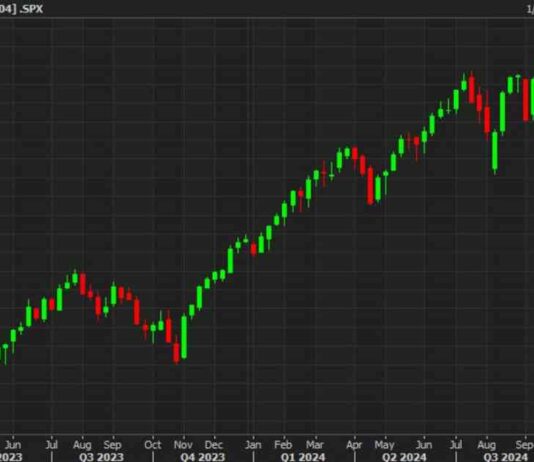





US Equity Market Update: Strong Opening Derailed, Forexlive Analysis
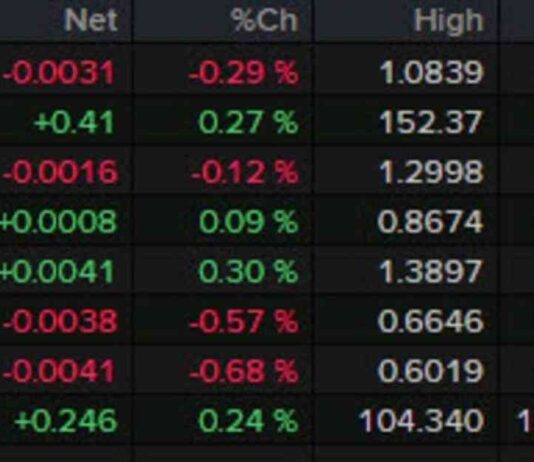
Forexlive Americas FX News Wrap: Consumer Sentiment Rises, Market Sentiment Sags

Decisive Week for USD: NFP, BoJ Meeting – Action Forex

BOC Macklem Warns of Lower GDP if Population Growth Slows –...

Is 50 the New 25? Weekly Bottom Line Analysis on Action...

Canada New Housing Price Index Remains Unchanged in September | Forexlive

US Durable Goods Orders Decline in September, Ex-Transport Orders Increase –...

ECB’s Kazaks: Rates Should Not Fall Below Neutral | Forexlive

Euro vs. US Dollar Outlook: Analyzing Divergence and Impact on Forex...

Trump Leads Harris by 2 Points in Wall Street Journal Poll...

S&P 500 Index Wave Analysis: Expert Insights and Predictions
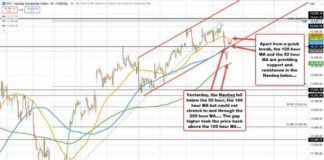
Trading Analysis: NASDAQ Index Ping-Pongs Near Highs Between Hourly Moving Averages

Warning: BoE’s Mann Predicts Prolonged Services Inflation – Action Forex
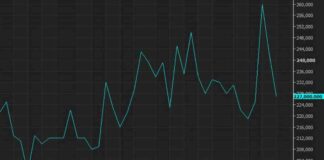
US Weekly Initial Jobless Claims Beat Expectations, Decreasing to 227K

Eurozone PMI Impact on Eurozone Currency Trends – Action Forex

Eurostoxx Futures Gain 0.1% in Early European Trading

Tesla’s Victory Boosts Nasdaq Futures – Latest Updates and Analysis
Japan Flash PMIs for October: Manufacturing at 49.0, Services at 49.3...

Eco Data Update: October 24, 2024 – Action Forex
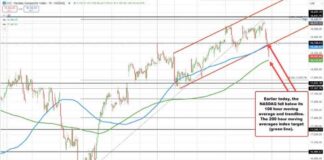
Nasdaq Eyes 200-Hour MA Support: Analysis and Outlook

ECB President Lagarde Happy with Inflation Progress, Monitoring Growth Impact –...
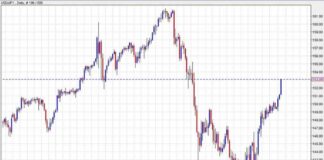
Bank of Canada Decision and USD Soar: Economic Calendar Highlights

GBPUSD Forecast: Will the Pound See Another Surge? – Action Forex
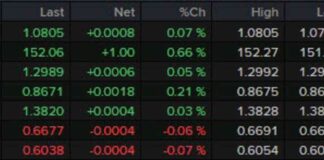
European Economic Calendar: Key Events and Data Releases Today

Investors Seek Safe Havens Amid Middle East Unrest – Action Forex

PBOC Expected to Set USD/CNY Reference Rate at 7.1262 – Reuters...

Eco Data Analysis: Key Insights for Forex Traders 10/23/24

ECB’s Rehn Warns of Weakened Growth Outlook and Rising Deflationary Pressure

ECB President Lagarde Confident Inflation Will Reach 2% by 2025

European FX Market Update: Volatile Trading Due to Lack of Catalysts...

Bears Eye Break Below Daily Cloud Base in Cable Consolidation –...

Euro Stoxx Futures Rise Slightly in Early European Trading

US Election Risks Leave Aussie Unsettled – Forex Market Analysis
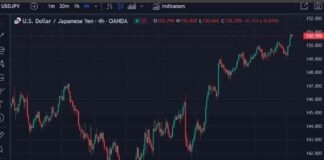
USD/JPY Rises Above 150: Verbal Intervention Threat

Eco Data Forecast for October 22, 2024 – Action Forex

Kashkari: Inflation Not Caused by Labor Markets | Forexlive Analysis

UK’s Consumption Puzzle and Monetary Easing: Insights from BoE’s Greene

Forex Market Update: Dollar Strong, Gold Continues Rally in Quiet Trading...

ECB’s Kazimir: Disinflation Progress Encouraging, More Evidence Required

Germany September Producer Price Index (PPI) Report: -0.5% vs -0.2% Expected

RBA’s Hauser Indicates No Immediate Rate Cuts Due to High Inflation...
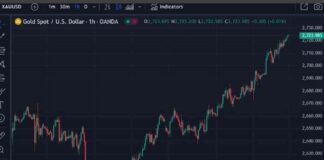
Gold price reaches new high in early Asia trade on October...
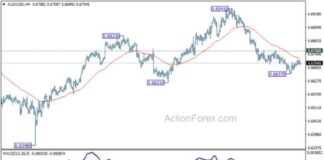
AUD/USD Weekly Forecast: Latest Analysis and Updates by Action Forex
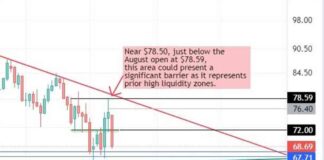
Crude Oil Futures Weekly Forecast: Bears Target $67.75 | Forexlive
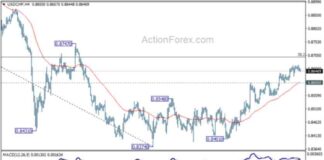
Weekly Forecast: USD/CHF Price Analysis and Predictions

Forexlive Weekly Market Outlook: 21-25 October
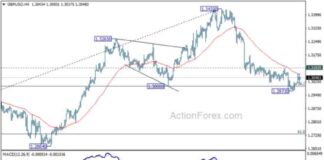
Weekly Forecast for GBP/USD – Action Forex

Upcoming Economic Events: PBoC LPR, BoC, EZ & UK PMI |...

Weekly USD/JPY Forecast: Latest Analysis and Trends – Action Forex

China Expected to Announce Rate Cut on October 21, 2024 |...
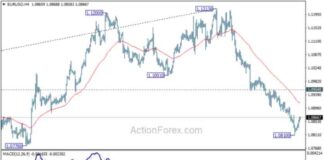
Weekly EUR/USD Forecast: Market Analysis and Predictions
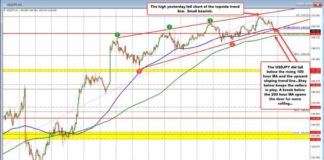
USDJPY Analysis: Will Momentum Continue Below 200-Hour MA?

Dollar Continues Winning Streak Despite Momentum Slowdown – Action Forex

Next Week’s Earnings Calendar: Key Dates and Expectations | Forexlive
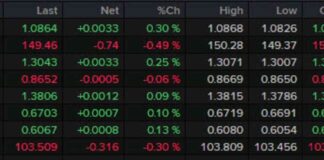
Gold Hits Record High Above $2700 in Forexlive Americas FX News...

Weekly Market Recap: Major Indices Close Higher and Up for the...

BoC Rate Cuts Accelerate, Flash PMIs Key for Growth – Action...

Bostic Projects Neutral Policy Rate Between 3-3.50% | Forexlive

Bank of Canada Announces Unprecedented 50 Basis Point Interest Rate Cut...
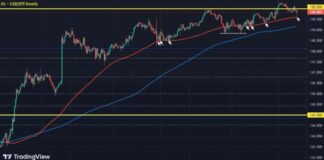
USD/JPY Price Drops Today But Buyers Maintain Control | Forexlive Trading...

UK Retail Sales Boost Pound Value – Forex Market Update
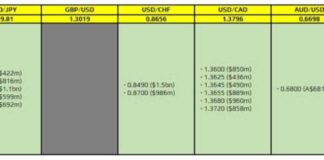
FX Option Expiries Analysis: 18 October 10am NY Cut – Forexlive
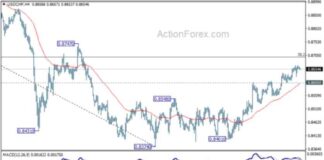
USD/CHF Daily Forecast: Key Analysis and Updates for Traders
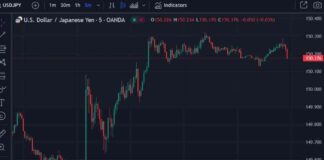
USD/JPY Unaffected by Japan’s September Inflation Data – Forexlive

ECB Rate Cut Review: Implications and Outlook – Action Forex
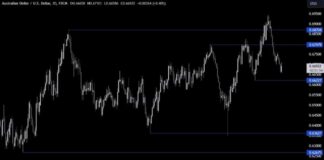
AUDUSD Technical Analysis: Breakout or Fakeout Prediction | Forexlive

Eurozone Trade Data: Goods Exports and Imports Decline in August
FX Option Expiries for 17 October 10am NY Cut | Forex...

ECB Prepares for First Consecutive Rate Cut in 13 Years
HSBC Predicts Near-Term US Stock Market Rally, Cautions Included
USD/JPY Forecast: Updated Analysis and Price Predictions for Today
EURUSD Dips Below 200-Day MA: Latest Forex Analysis
Forex and Finance News Sites
In today’s fast-paced global economy, staying updated with the latest trends and shifts in the financial markets is crucial for investors, traders, and financial professionals. The Forex (foreign exchange) market, in particular, has become a central player in the financial world, with trillions of dollars exchanged daily. As a result, Forex news and finance websites have emerged as essential tools for those involved in trading, investment strategies, and economic forecasting.
Understanding Forex and Its Significance
Forex, short for foreign exchange, is the global marketplace for trading national currencies against one another. It operates 24 hours a day, five days a week, across different time zones, with an average daily trading volume exceeding $6 trillion. Forex trading plays a significant role in the global financial ecosystem, with businesses, governments, investors, and traders all participating in this massive marketplace.
The Forex market is influenced by various factors, including global economic data, geopolitical events, and shifts in central bank policies. For traders and investors to make informed decisions, it is essential to have real-time access to the latest market analysis, news, and updates. This is where Forex news websites play a pivotal role in providing timely and relevant information.
The Role of Forex News Websites
Forex news websites are dedicated to offering in-depth coverage and analysis of market events that influence currency values. These sites provide breaking news, expert insights, and real-time price feeds to help traders make informed decisions. They also offer tools such as currency calculators, charts, and forecasts, which are essential for any Forex trader.
By following Forex news websites, traders can track major events like interest rate decisions, economic data releases, and geopolitical developments that could impact currency pairs. Moreover, these websites often provide educational resources for beginners looking to understand the complexities of Forex trading.
Some of the most popular Forex news websites include Forex Factory, DailyFX, and FXStreet, which offer free access to news, charts, and market analysis. These sites also provide forums where traders can discuss strategies, share insights, and learn from each other’s experiences.
The Importance of Finance News Sites
While Forex news websites cater specifically to the currency trading community, finance news websites serve a broader audience. These sites cover a wide range of topics related to the global economy, including stock markets, investment strategies, economic policies, and corporate developments. Finance news sites often cover major events that have a direct impact on the financial markets, such as corporate earnings reports, economic data releases, and major mergers and acquisitions.
Popular finance news websites like Bloomberg, Reuters, and CNBC offer a comprehensive view of the financial landscape. These sites are known for providing up-to-the-minute news coverage on various sectors, including stocks, commodities, bonds, and currencies. Their in-depth analysis, expert opinions, and comprehensive reports help investors make well-informed decisions in an ever-changing market.
Finance news websites also serve as a resource for long-term investors, portfolio managers, and financial analysts who seek to understand the broader economic trends shaping the financial markets. Whether it’s monitoring market sentiment, identifying emerging investment opportunities, or understanding the latest market innovations, these websites offer valuable insights that can influence investment strategies.
The Intersection of Forex and Finance News
While Forex news sites focus specifically on the currency market, finance news websites often provide broader economic context that influences Forex trading. For example, changes in interest rates by central banks, inflation data, or fiscal policies can have profound effects on the currency market. Finance news websites like Financial Times and MarketWatch provide coverage of these macroeconomic factors, which Forex traders use to guide their trading decisions.
Moreover, Forex traders often rely on finance news sites to stay updated on global economic developments that could impact currency markets. Events like elections, trade negotiations, and natural disasters can influence market sentiment and lead to price fluctuations in the Forex market. Understanding the broader financial landscape through finance news websites can thus help Forex traders predict potential market movements and adjust their strategies accordingly.
Popular Forex and Finance News Websites
Some of the leading websites in both Forex and finance news include:
- Forex Factory – One of the most popular Forex news sites, providing real-time data on currency prices, news releases, and analysis.
- DailyFX – A trusted source for Forex news, offering technical analysis, expert commentary, and live market data.
- FXStreet – Another top site for Forex traders, with real-time news, charts, and tools for currency trading.
- Bloomberg – A global leader in finance news, providing comprehensive coverage of financial markets, including stocks, bonds, and Forex.
- Reuters – Known for its timely updates on financial markets and economic news, Reuters is a go-to site for traders and investors.
- CNBC – Offers breaking news on global financial markets, with live updates on stock markets, Forex, and other asset classes.
- MarketWatch – A leading source for business and financial news, providing analysis of global markets and economic data.
- Investing.com – Offers extensive coverage of Forex news, stock market updates, and economic data.
These sites not only provide breaking news but also offer in-depth reports, expert analysis, and market forecasts that help users stay informed and make well-informed financial decisions.
Forex and finance news websites are integral tools for anyone involved in the financial markets. Whether you are an active Forex trader, a long-term investor, or a financial analyst, staying updated with the latest news and analysis can give you the edge in navigating the complexities of global markets. From real-time currency updates to broader economic insights, these websites offer invaluable resources to help you understand market trends and make informed financial decisions. As the global economy continues to evolve, the role of these news websites will only become more important in providing accurate, timely, and relevant information to market participants.