The Importance of Portfolio Diversification
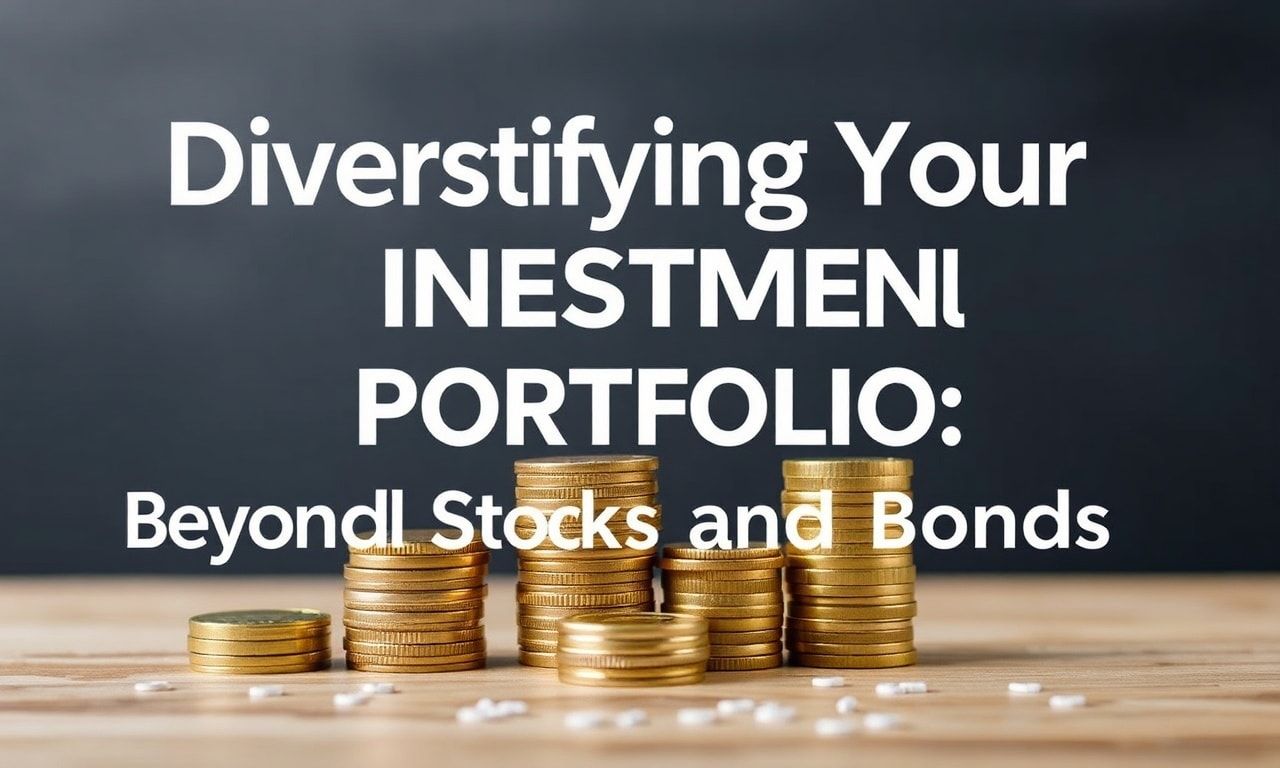
In the world of finance, one of the most time-honored pieces of advice is to diversify your investment portfolio. Diversification is the practice of spreading your investments around so that your exposure to any one type of asset is limited. This helps to reduce the risk of your portfolio as a whole. While stocks and bonds are the most common investments, there are numerous other options that can provide a hedge against market volatility and inflation.
Exploring Alternative Investments
Alternative investments are those that do not fall into the traditional categories of stocks, bonds, or cash. These can include real estate, commodities, private equity, hedge funds, and even cryptocurrencies. Each of these alternatives has its own risk and return profile, making them suitable for different types of investors and market conditions.
Real Estate
Real estate is a tangible asset that can provide both income and capital appreciation. Investing in property can be done directly by purchasing a home or commercial property, or indirectly through real estate investment trusts (REITs). REITs allow investors to pool their money to invest in a portfolio of properties, providing diversification within the real estate sector itself.
Commodities
Commodities are physical goods that are traded on various exchanges. These can include agricultural products like wheat and corn, metals like gold and silver, and energy products like crude oil. Investing in commodities can provide a hedge against inflation and currency fluctuations. For instance, chia seed farming for soil sodicity management can be a viable agricultural investment, especially in regions where soil sodicity is a concern. Commodities can be traded directly through futures contracts or indirectly through exchange-traded funds (ETFs) and mutual funds.
Understanding Risk and Return
When considering alternative investments, it’s crucial to understand the risk and return profile of each asset class. Generally, the higher the potential return, the higher the risk. For example, cryptocurrencies can offer substantial returns but come with significant volatility and regulatory risks. On the other hand, real estate can provide steady income through rental yields but may be less liquid than other investments.
Assessing Your Risk Tolerance
Before diving into alternative investments, it’s essential to assess your risk tolerance. This involves understanding your financial goals, time horizon, and comfort level with market fluctuations. A financial advisor can help you determine the right mix of investments based on your individual circumstances. It’s also important to regularly review and rebalance your portfolio to ensure it aligns with your risk tolerance and financial objectives.
Actionable Financial Advice
Here are some actionable steps to help you diversify your investment portfolio:
- Educate Yourself: Learn about different types of alternative investments and their risk-return profiles. Attend seminars, read books, and follow financial news to stay informed.
- Start Small: Begin with a small allocation to alternative investments and gradually increase your exposure as you become more comfortable.
- Diversify Within Asset Classes: Don’t put all your eggs in one basket. Diversify within each asset class to spread risk further.
- Consult a Financial Advisor: Seek professional advice to help you navigate the complexities of alternative investments and ensure they align with your financial goals.
- Monitor and Rebalance: Regularly review your portfolio and rebalance it to maintain your desired asset allocation.
Conclusion
Diversifying your investment portfolio beyond stocks and bonds can provide numerous benefits, including reduced risk, enhanced returns, and protection against market volatility. By exploring alternative investments such as real estate, commodities, and cryptocurrencies, you can create a well-rounded portfolio that aligns with your financial goals and risk tolerance. Remember to educate yourself, start small, and seek professional advice to make informed investment decisions.
You may also find Smarte Investeringer og Bæredygtige Valg: En helpful as it covers related aspects of this subject.